What Is Metal Silver Fiber and What Type Is It?
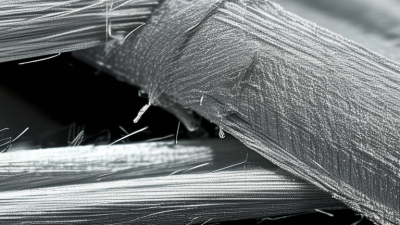
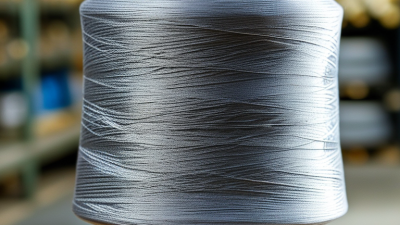
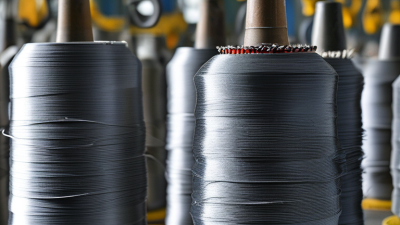
Metal Silver Fiber is essentially an engineered textile material. It's made by bonding, coating, or drawing fine metal fibers into various forms. Sometimes, it looks like a dull silver thread or a short metallic filament, or even a mix of both. But honestly, looks alone don’t tell the whole story. What really matters are things like the fiber's diameter, the alloy used, surface finish, how well it conducts electricity, and the method used to cut or shape it. Dr. Peter De Baets, a materials expert working with Bekaert, emphasizes this point: “A fiber’s performance depends more on its shape and structure than on what it’s called.” This kind of straightforward, practical perspective helps folks understand that product names are just labels, not the full story—what’s really important are the measurable properties. For example, a Metal draw-cut fiber usually has a controlled cross-section and a specific length. These fibers are often used for blending into other materials or reinforcing composites. Then there’s Metal mixed staple fiber, which blends metallic and non-metallic fibers for different purposes. Metal cutting staple fibers might disperse more easily in a mix, but their sharp edges mean you have to handle them with care during processing. You’ll also see other forms like stainless steel mixed sliver or stainless steel metal fiber sliver. These are typically used for specific applications like antistatic textiles, electromagnetic shielding, filtration, or heat-resistant fabrics. Choosing the right type really depends on what you’re planning to do with it. Processes like spinning, carding, needle punching, or mixing with resin all require different fiber structures. And don’t forget, testing is key—things like tensile strength, electrical resistance, how they resist oxidation, durability through washing, and how safe they are for skin contact. Small differences can really impact the final product, so it's worth paying close attention. One thing to keep in mind: terminology isn’t always perfectly consistent across the board, which can be confusing. Some suppliers might call a fiber “silver fiber” just because of its color, while others mean it contains actual metallic content. So, it’s really important to ask for technical data, microscope images, safety info, and even try out samples before making decisions. A good comparison relies on examining the full specifications, rather than just the shiny product name. In this guide, when I say Metal Silver Fiber, I’m talking about the whole family of these materials. Each type, with its unique structure and intended use, is explained in terms of how it’s made, what it does, and what you can realistically expect during processing.
Read more »