- Home
- Products
- News
- Application
- Solution
- About Us
- Contact Us
Leave Your Message
Silver Coated Fabric has emerged as a major player in the field of technical textiles, since industries around the world are in search of innovative materials that offer functionality and versatility. With a global technical textile market projected to touch $200 billion by 2025, high-performance materials are becoming quite in demand. Fabrics with durability alongside antimicrobial properties have suddenly gained attention in the fast-evolving markets of health, automotive, and aerospace, thanks-to company Smithers Pira. Anyway, this interest makes Silver Coated Fabric very much in vogue.
SHIJIAZHUANG 3L TECHNOLOGY CO., LTD., since its inception in 2009, has spearheaded this evolution, leading the development of innovative technologies to exploit the unique features of Silver Coated Fabric. Knowledgeable throughout the globe for our technical textile knowledge, we persevere with ingenuity in the research and development of new and advanced materials compatible with industry specification and performance enhancement, with the consideration that the materials are environmentally sustainable. As we examine the manifold application fields of Silver Coated Fabric, it becomes evident that this material isn't just a passing trend but rather an anchor for the future of numerous sectors and an ushering force for efficiency and effectiveness across the board.
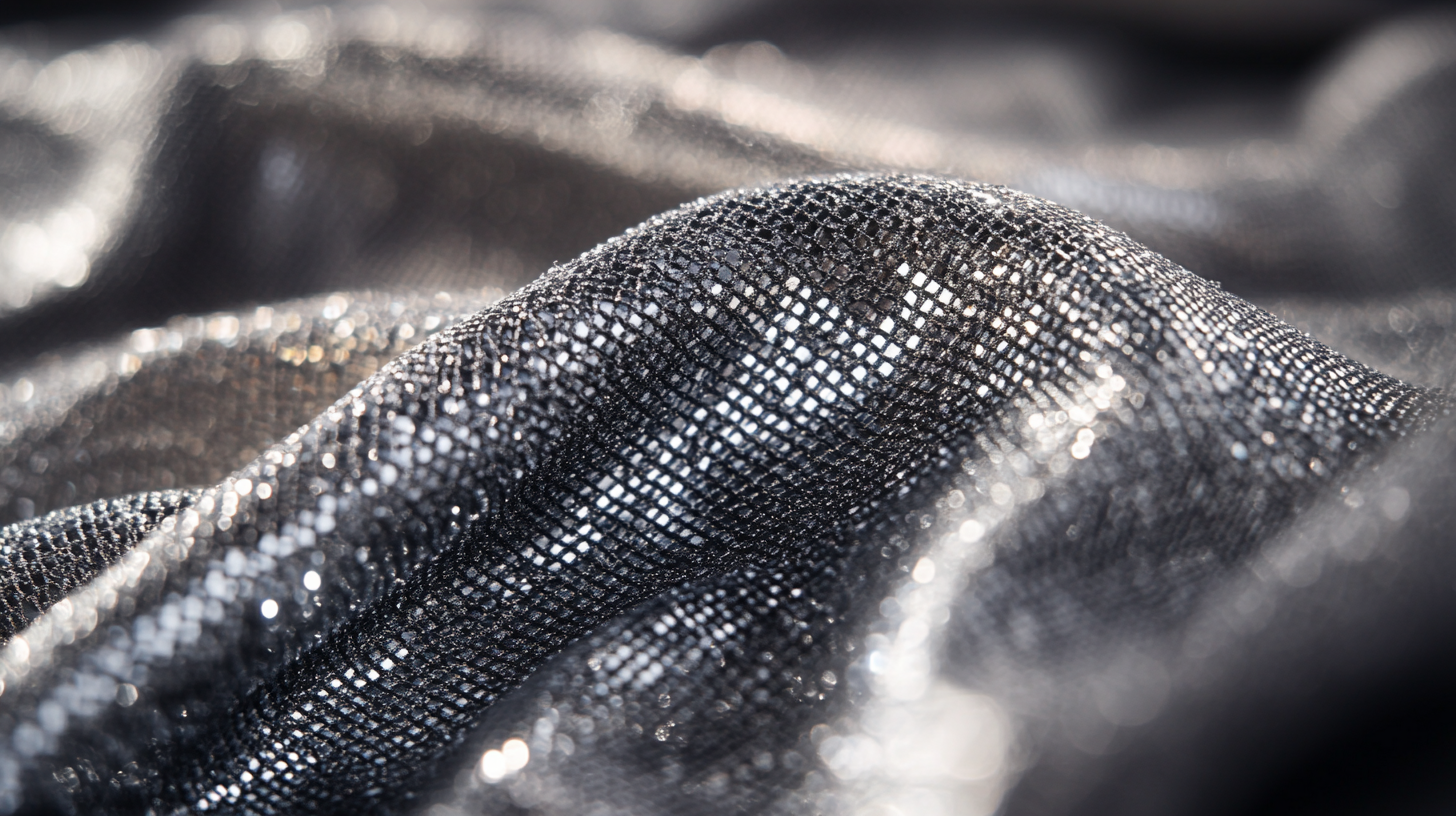
The global textile market is observing a rise in demand for silver-coated fabrics due to their unique properties and versatility. Silver-coated fabrics have aesthetics and exhibit antimicrobial, antiviral, and conductive properties, thus enabling their usage in a variety of industries and applications. In healthcare and sportswear, fashion, and hospitality, these fabrics are turning conventional textile functions into innovative solutions that satisfy contemporary needs. One of the main reasons behind the growing demand for silver-coated fabric is its hygiene and safety features that come into play in healthcare settings. With an increasing thrust on infection control, hospitals and clinics are now introducing silver-coated textiles in their staff uniforms, bed linens, and surgical drapes. These fabrics provide some degree of protection against the accumulation of pathogens, thus creating clean environments and better patient outcomes. Silver fabric's appeal is also being enhanced by general health awareness among consumers, especially in sports and activewear, where its moisture-wicking and odor-fighting properties gain great significance. Next to the healthcare sector, fashion too has taken a fancy to this innovative textile. Silver-coated fabrics are garnering the attention of designers on account of their modern look and functional convenience. With sustainability now at the center of the fashion debate, silver-coated textiles are durable and long-lasting, characteristics that appeal to the environmentally conscious consumer. Moreover, introducing these fabrics into everyday clothing strengthens their comfort and wellbeing value, marking a substantial shift in textile innovation. As the trend continues to blossom, the versatile nature of silver-coated fabric will surely set new parameters in the global textile market.

The medical field has long been looking around the corner for something revolutionary. Silver coated fabrics completely fulfilled the demand for transformation by their phenomenal antimicrobial property. The penetration of silver nanoparticles (AgNPs) into textile material is known to markedly enhance antibacterial properties, thus creating a possible range of applications that include surgical fabrics and nonwoven cotton textiles. Studies of the recent past encapsulate the virtue of biologically synthesized AgNPs against six common hospital-associated bacterial species in preventing hospital-acquired infections, which is ever a great medical concern.
Innovative methods such as k-Carrageenan coatings have improved silver nanoparticle incorporation onto fabrics, yielding greater antimicrobial properties. These new developments are not only economically viable and eco-friendly solutions for the textile industry but also make the fabric more sustainable through increased wash-fastness. Plant focus on green synthesis of nanoparticles adds to the ongoing drive towards more eco-friendly aspects in the industry, thus cementing the position of silver coated fabrics in the global market.
Applications combining silver, such as those involving copper and reduced graphene oxide, open the arena to develop multi-function textiles to be specified for future applications in smart textiles that would require both thermal management and antimicrobial characteristics. Research on controlled synthesis of AgNPs and their incorporation into all variety of fabric types is very important in developing next-generation textiles to meet the demands of the most Stringent consumers and industries. The future of innovation in textiles looks very promising as the potentialities of silver coated fabrics keep unfolding, particularly for industries that are primarily hygiene- and functionality-driven.
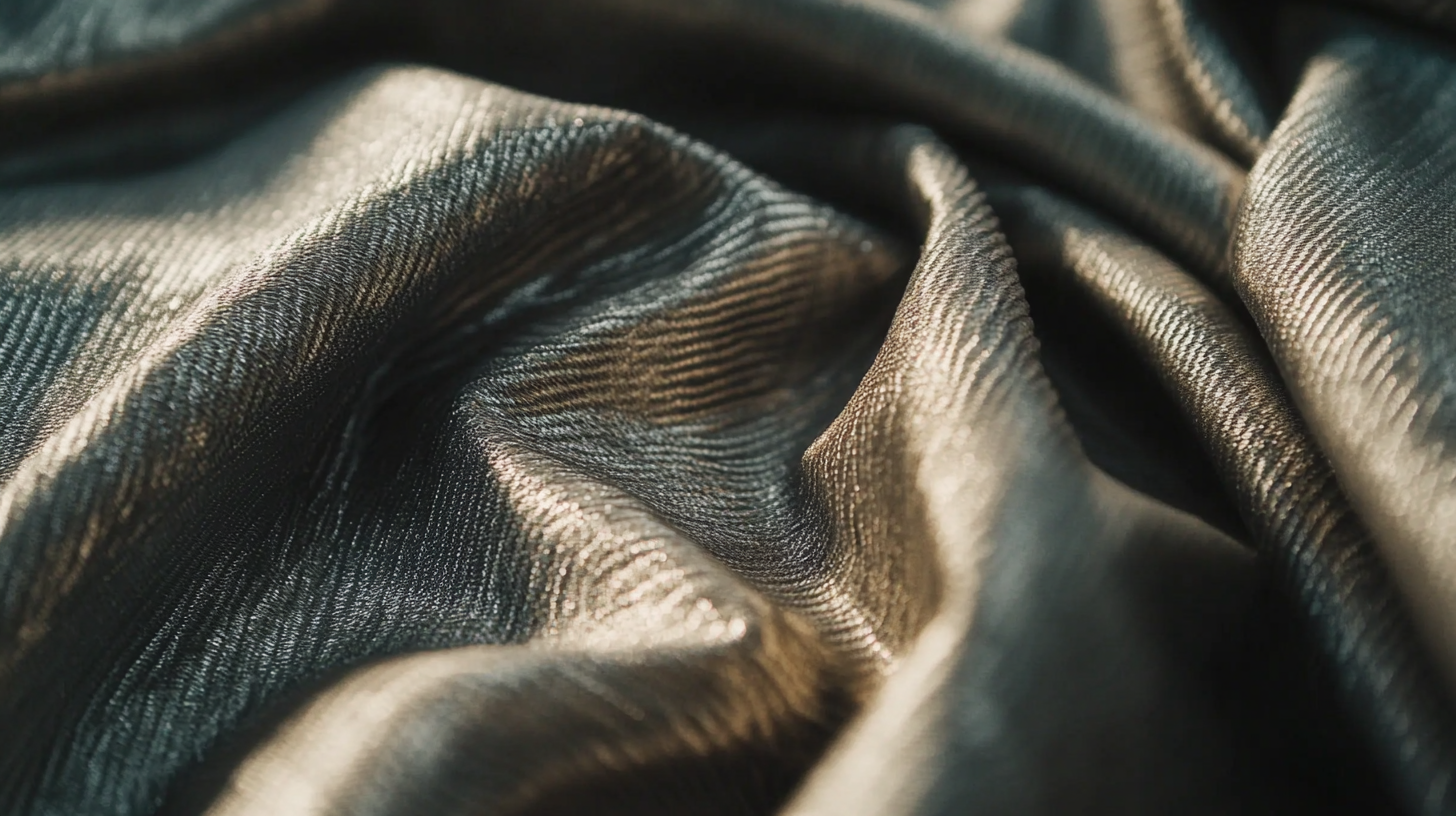
By giving its antimicrobial properties, silver-coated fabric has become one of the greatest emerging materials in the healthcare and medical industry. The silver ions within the fabric create a barrier against a wide spectrum of bacteria, fungi, and viruses. Hence, it becomes extremely useful for hospitals, healthcare workers, and patients. In fact, as the concerns surrounding infections acquired within hospitals continue to grow, most frequently, the increase in the demand for silver coated fabric is in household items such as bed linens, uniforms, and surgical drapers. This is another open avenue that adds to accomplishing better standards of hygiene in medical practice.
On the other hand, it can boast versatility in wound care products as well. Dressings containing silver claim to enhance the healing process with less chance of infection. Advanced features of such dressings cover protection and include managing exudates, important for the comfort and recovery of a patient. Silver coated fabrics are being incorporated even in the new field of wearable health technologies, thus bringing together performance with infection control in patient monitoring devices. This shows amazing innovative potential in rethinking how health can be managed more proactively at large and changes that may occur in usual medical practices.
Thus, silver coated fabric is a multiresolved product in patient care safety and efficiency. It strikes innovation-wherever possible-an ideal solution to the omnipresent, chronic problem that healthcare institutions are confronted with: infections. Increasingly adaptive in scope, silver coated fabric is already known to find many other uses in the medical sector, and the list is still expanding. Thus underlining the need for materials innovation in global health care.
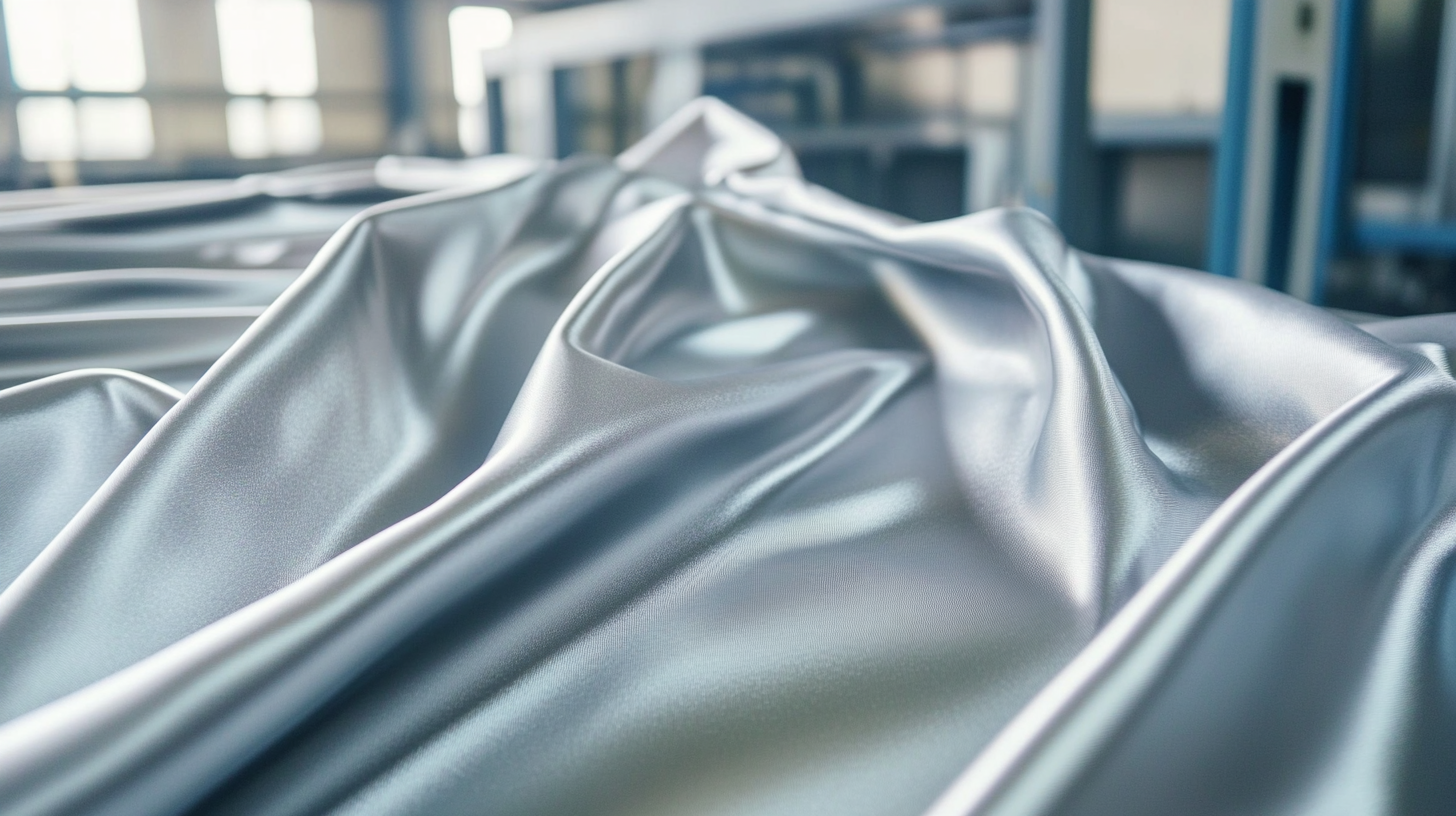
Silver coated fabric has emerged as a material innovative to both sportswear and outdoor equipment, promising numerous advanced benefits for the action-packed life. According to a report by Credence Research, the global market for antimicrobial textiles is projected to be USD 18.16 Billion by 2026, where silver-coated fabrics will play a crucial role than other formulations due to the inherent properties of these materials. The incorporation of silver ions inhibits the multiplication of bacteria, reducing odors and improving hygiene for those athletes who require longer freshness when engaging in prolonged activities.
In sportswear, the utilization of silver fabric is much evident in the clothing lines that target high-performance athletes. The Textile Research Journal further elaborates on this by saying that the garments made from silver-infused fibers will manage moisture better and have less sweat retention on the skin. Increased comfort and temperature regulation are critical during rigorous training or competitions. Moreover, the body tends to retain more heat in colder climates, making such gear ideal for outdoor winter sports enthusiasts.
Apart from performance, eco-consciousness seems to draw the discerning consumer toward sustainable textiles. Silver Coated Fabrics Usually consume huge quantities of water and energy lesser than their conventional counterparts in typical production processes for the alignment within the current global trend towards sustainability in fashion. According to a market analysis by Allied Market Research, the need for green sportswear will increase at a CAGR of 8.5% up to 2027. From those performance-enhancing properties and environmental impacts in line with the trend, it seems silver coated fabrics have heralded a new age of sportswear and outdoor gear.
With industries developing, the introduction of innovative materials gets increasingly prioritized in fulfilling the growing market needs. The silver coated fabric market is to experience remarkable growth, with diverse application across healthcare, construction, electronics, and many other sectors. Demand for this fabric continues to surge, particularly owing to its antimicrobial properties and strength, as they increasingly become critical inclusion features in medical textile and protective clothing products.
Market analysis shows that the silver coated fabric industry could enjoy extreme growth in its business as the global market shifts towards sustainable and high-performance materials. Projections indicate that this industry would expand at about 6.5% CAGR in a decade from now. It can even be inferred that it aligns with the general trend going on in related sectors; for example, the global calcite market is predicted to attain a figure of USD 21,407.4 million by 2035, increasing at a growth rate of 5.9% through the years. The demand is expected to rise due to its application in construction, paints and coatings, as well as pharmaceuticals, highly dependant also on high-performance materials and crosslinked across these sectors.
Stakeholders in every industry crave improved efficiency and functionality, and it is here that the multifunctional properties of silver coated fabrics come into prominence. Increasing awareness regarding hygiene and infection control, especially following the pandemic, is further leading the way on which personal protective equipment (PPE) and healthcare garments adopt them. According to market analysts, these developments in technology and continual innovation promise a great future for silver coated fabrics, as they might well meet changing needs in the global industries while taking care of sustainability and safety.
Silver-coated fabric has attracted several global industries primarily because of its antimicrobial property and higher durability over conventional textile solutions. A comparative analysis of silver-coated fabric to regular textiles shows significant advantages in performance and application. For example, the silver ions embedded in fabric minimize bacterial growth, making it extremely useful in settings like healthcare, where hygiene is important, or athleisure wear, where odor control is of utmost concern.
In addition, error analysis of the chemical composition of artificial sweat shows how these silver-coated fabrics will last longer and resist the bombardment of contaminants better than conventional textiles. Table 1 looks into the chemical composition of artificial sweat that has been known to challenge traditional fabrics. Materials that do not enjoy the protective features of silver tend to have faster degradation or harboring bacteria, which ultimately shorten their functionality and longevity. This combination of properties presents silver-coated fabrics with a unique opportunity to take a lead for industries that wish to innovate and improve the performance standard of textiles.
Besides, the multi-disproportionability of silver-coated fabrics is reflected in so many sectors, from fashion to automotive and so on. As industries adapt to the rising demand for functional and performant textiles, silver-coated materials offer reliable solutions for specific needs such as UV protection and moisture management. This maximizes consumer satisfaction and esthetically places silver-coated fabrics in the green bracket of evolving textile technology.
The manufacture of silver-coated fabrics therefore incorporates important sustainability angles especially given the current challenges to the environment of the textile industry. Fast fashion is infamous for the speed of its collections and production cycles and wreaks havoc on the environment, with 10% of global CO2 emissions derived from this industry as one of the largest consumers of water. As people turn elsewhere from old solutions, the emergence of the new silver-coated fabrics has created a novel innovation that can frame production within the sustainability agenda.
Silver-coated fabrics will certainly have among the best antimicrobial properties, together with the possible additional enhancement of durability and life to textiles and reduction in future consumption and waste, since more durable products are not required to be replaced as often-an issue with a strong awareness from fast fashion. The environmental risks due to silver application, namely silver contamination and silver toxicity, should however be taken care of. Judgment on silver release during the lifecycle of these textiles is essential for the minimization of adverse effects on the terrestrial and aquatic ecosystems.
The progressive shifts towards more responsible practices will enable sustainable materials and innovations to serve as platforms for propelling the future of green silver-coated fabric production. The biggest challenge, however, is finding balance, whereby one would enjoy all the antimicrobial efficacy of silver while at the same time protecting the earth-a task that calls for innovation in the textiles business but in a sustainable manner.
This market for silver coated fabric is at the cross-roads of opportunity and challenge with respect to its utilization in smart textiles and wearable technologies. One major hindrance is the constant demand for innovation in textiles that have not only conductivity but also flexibility and usability. This is more pronounced in recent achievements at IIT Guwahati, where researchers have designed a self-cleaning, water-repellent heating fabric that uses electricity and solar energy. The innovative leap is a manifestation of growing needs for textiles, not just in their functionality but their adaptation to a plethora of demands from industries worldwide.
Besides, cost effective production and scalability of these advanced fabrics have to be tackled since there is a very complicated method of making stretchable woven flexible circuit boards. This problem has both technical and monetary hurdles. However, there appears to be an open-ended opportunity for industries for the future since all these challenges would have to be crossed as they move heavily towards adopting wearables into their products. Confirmation of leaching and non-leaching types of textiles with strict testing for durability will ensure the safety of such materials for performance standards and will be ready for wider applications in the near future.
All the shareholders associated with the silver coated fabric must focus on collaborative solutions as the market is evolving. Research and development activities should be scaled up to ensure that products do not only meet consumers' current demands, but will also better place themselves for sustainable and innovative textile solutions that will be ushered in in times to come.
Silver-coated fabrics are textiles infused with silver ions, which provide unique properties such as antimicrobial, antiviral, and conductive characteristics, making them suitable for various applications in industries like healthcare, sportswear, fashion, and hospitality.
The demand is driven by the need for enhanced hygiene and safety, as these fabrics help reduce pathogen growth, contributing to cleaner environments in hospitals and clinics, which improves patient outcomes.
Silver-coated fabrics offer superior moisture management, odor control, and temperature regulation, making them ideal for high-performance athletes and active lifestyles by keeping garments fresh for longer periods.
Silver-coated fabrics typically require less water and energy during production, aligning with the growing consumer demand for eco-friendly alternatives in the textile industry.
Designers are attracted to silver-coated fabrics for their modern aesthetic, functionality, durability, and ability to enhance personal comfort, which aligns with the increasing focus on sustainability in fashion.
Silver-coated fabrics exhibit reduced bacterial growth and enhanced durability, making them superior in performance for applications where hygiene and odor control are crucial, unlike traditional fabrics that may degrade faster.
Silver ions inhibit the growth of bacteria and other pathogens, which enhances the hygiene and odor-fighting properties of fabrics, particularly beneficial in sports and healthcare settings.
The global shift towards health-conscious consumerism, sustainability, and the need for high-performance materials in sportswear are driving the anticipated growth of the antimicrobial textiles market.
Yes, the thermal conductive properties of silver can help maintain body heat in cold conditions, making these fabrics suitable for outdoor gear designed for winter sports.
Silver-coated fabrics are being explored in various industries, including automotive, due to their versatility and ability to meet specific needs such as moisture wicking and UV protection.