Hey, you know, in today's fast-changing world of industry, there's such a huge rush for more advanced materials. I mean, the global market for conductive Textiles is expected to hit over $5 billion by 2026—pretty crazy, right? One of the hot topics these days is Copper Nickel Conductive Cloth, and it's really catching on because it offers great conductivity, flexibility, and it lasts pretty long. 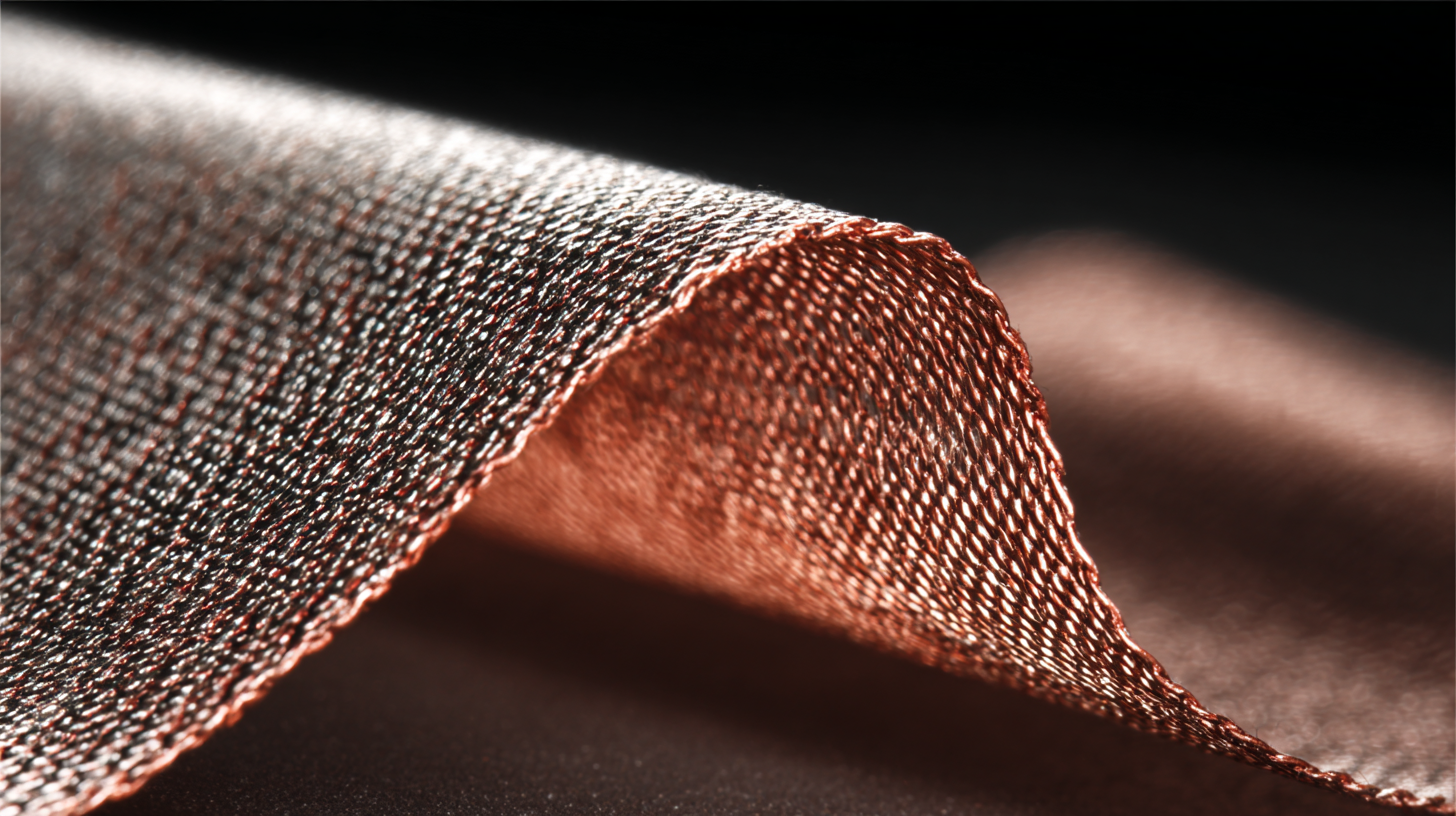 Shijiazhuang 3L Technology Co., Ltd.has been leading the way since back in 2009, focusing on making top-notch, high-tech textiles. They’re experts at turning out cutting-edge materials that can be used in all sorts of sectors. It’s pretty cool how industries are now using Copper Nickel Conductive Cloth for everything from cars to smart Fabrics. With all this innovation happening, the company’s dedicated to staying ahead of the game and meeting the ever-changing needs of their clients around the world—that’s pretty impressive, don't you think?
Understanding Copper Nickel Conductive Cloth and Its Unique Properties
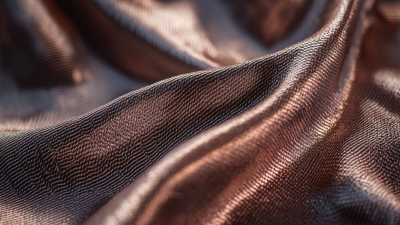
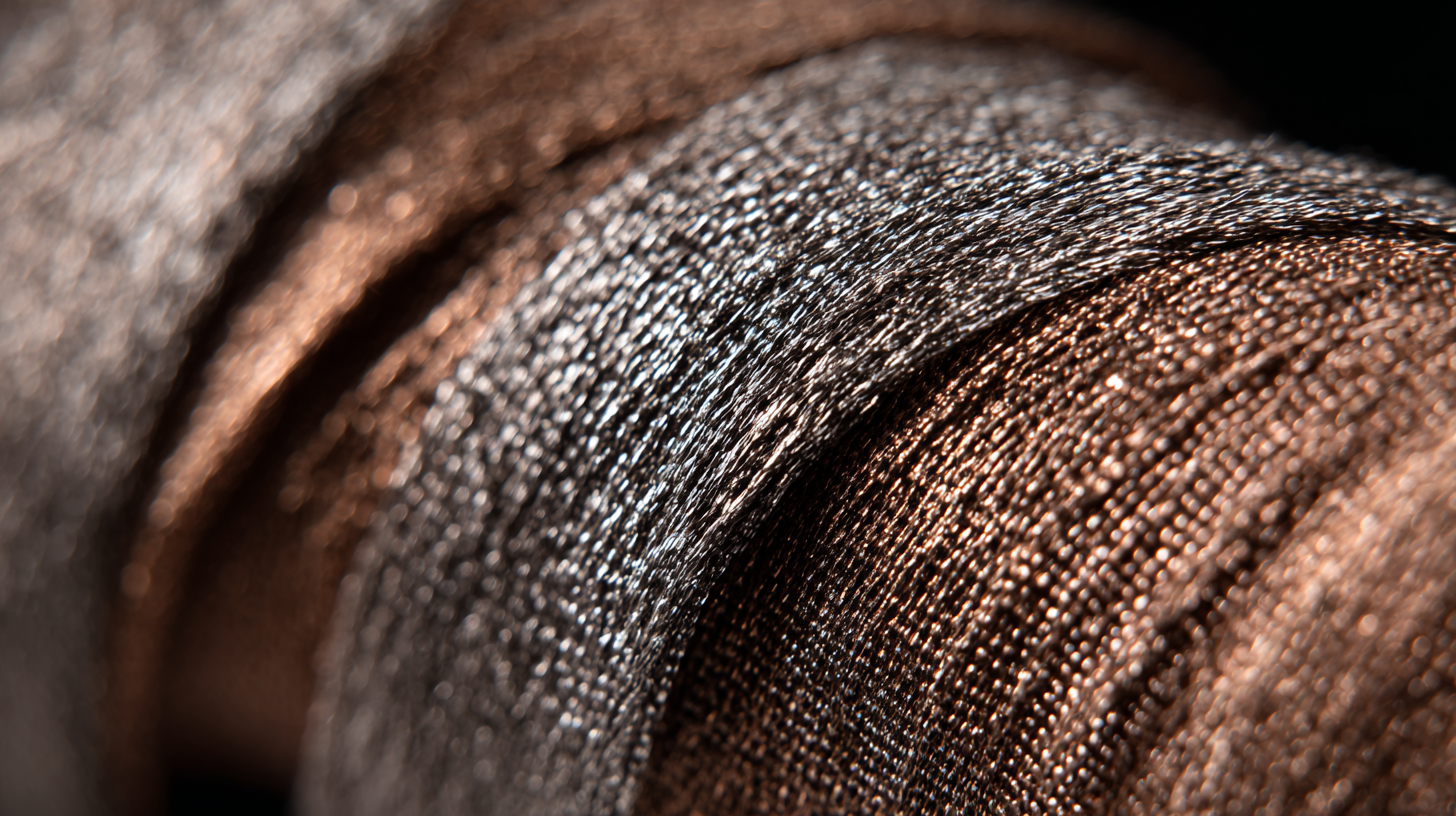
Copper Nickel Conductive Cloth is really changing the game across a bunch of modern industries, thanks to its unique combo of flexibility, conductivity, and toughness. Made from a mix of copper and nickel fibers, this fabric isn’t just able to conduct electricity — it’s also pretty resistant to corrosion. The best part? It’s lightweight, which makes it perfect for things like wearable tech, aerospace gadgets, cars, and even medical devices. Its ability to stay conductive even when you bend or stretch it means it can handle all kinds of tricky, dynamic environments.
Quick tip: When you’re using Copper Nickel Conductive Cloth in your project, think about the specific conductivity needs for what you’re working on. It’s a good idea to test the fabric in different conditions so you really understand how it performs. That way, you’ll get the best results with your final product.
On top of that, this fabric has some pretty cool attributes. It can act as a shield, cutting down electromagnetic interference (EMI), which is a lifesaver in industries where electronic parts are super close together and signal clarity matters a lot. Plus, its heat dissipation properties mean it can handle products that heat up quite a bit, adding another layer of usefulness.
Another thing to keep in mind: for the best results, always pair Copper Nickel Conductive Cloth with materials and components that work well with it. When everything works together smoothly, you’ll get a more durable, effective finished product — with good conductivity and solid performance all around.
Applications of Copper Nickel Conductive Cloth in the Electronics Industry
You know, the electronics world is always changing, right? There's this constant push for better materials that can boost performance and efficiency. One cool innovation that's been catching people's attention is copper nickel conductive cloth. It’s this hybrid material, combining the unique strengths of both copper and nickel, and honestly, it offers fantastic conductivity along with some serious flexibility. No wonder it’s becoming a go-to choice for a bunch of electronic applications.
In the electronics scene, you’ll find copper nickel conductive cloth being used in flexible circuits, shielding stuff, and even in wearable tech. Its lightweight and bendable nature means it fits right into devices without any trouble, making them both durable and high-performing. Plus, its ability to block electromagnetic interference (EMI) is pretty impressive—it keeps sensitive electronics safe from external signals that could mess things up. As industries move towards making devices smaller and more efficient, this cloth is really standing out as a key material that checks all the boxes.
And it’s not just for the usual stuff either. Thanks to how versatile it is, we're seeing new, innovative products popping up all over the place. Think smart textiles that track your health or advanced communication gadgets—copper nickel conductive cloth is playing a big role in reshaping what’s possible. Its mix of good conductivity and adaptability makes it a real game-changer, pushing the boundaries of what we can do in electronic design and manufacturing.
Innovative Applications of Copper Nickel Conductive Cloth in Modern Industries - Applications of Copper Nickel Conductive Cloth in the Electronics Industry
| Application Area | Description | Benefits | Typical Usage |
| Electromagnetic Interference (EMI) Shielding | Used to protect sensitive electronic components from EMI. | Enhanced protection, lightweight, and flexibility. | Smartphones, laptops, and medical devices. |
| Heating Elements | Utilized for evenly distributing heat in electronic devices. | Fast heating response and energy efficiency. | Wearable technology and automotive seating. |
| Flexible Circuits | Incorporated into flexible circuit boards for electronics. | High conductivity and adaptability to various shapes. | Medical devices and consumer electronics. |
| Static Dissipation | Used in environments where static electricity control is crucial. | Prevents electrical discharge damage to components. | Manufacturing and assembly lines. |
Enhancing Performance in Automotive Applications with Conductive Cloth
You know, with how much the automotive world is craving lighter and more efficient materials, copper-nickel conductive cloth is really starting to make waves. It's pretty impressive stuff — this fabric has top-notch electrical conductivity and can manage heat really well. You'll find it used in all sorts of car tech, like sensors and shielding against electromagnetic interference (EMI). I recently came across a market report from Technavio that says the global market for conductive textiles is expected to jump over 28% just between 2021 and 2025. That really shows how manufacturers are embracing advanced materials more and more.
One thing that’s pretty cool about copper-nickel conductive cloth is how it boosts the performance of electric and hybrid vehicles. Because it conducts electricity so efficiently, it helps improve energy transfer, which in turn benefits battery management and makes the whole ride run smoother. Plus, since it's lightweight, it helps trim down the overall weight of the vehicle — and that’s a big deal for fuel efficiency. Frost & Sullivan even pointed out that using lighter materials in cars can boost fuel economy by around 10%. Not too shabby, right?
**Pro tip:** When you’re picking out
conductive cloth for your automotive project, make sure to think about stuff like how conductive the material needs to be and what temperatures it'll have to handle. Also, it’s always a good idea to test the material in real-world conditions so you’re sure it performs just right.
Using
copper-nickel conductive fabric isn’t just about ticking boxes for modern car design; it’s also a step toward a greener, more sustainable future. As car makers keep pushing innovation and trying new stuff, materials like this are going to be a big part of the future of vehicle tech.
**Another tip:** Always check if your supplier provides detailed specs and testing results. That way, you’ll know the material will fit your project perfectly, and working with knowledgeable vendors can save you a lot of hassle down the road.
Innovative Uses in Wearable Technology: The Future of Smart Fabrics
You know, the way wearable tech has evolved over the years is pretty fascinating. These days, we're seeing materials that really step up their game, making gadgets more functional and comfortable to wear. One thing that's really catching attention is copper-nickel conductive cloth — it's kind of like this cool fusion between old-school fabrics and the latest electronics. The best part? It’s not just about conductivity for sensors and circuits; it’s also super flexible and comfy, perfect for stuff you wear every day. So, what used to be just cool ideas are now actually turning into real-world products you can wear without even thinking twice.
And honestly, this copper-nickel fabric is opening up all sorts of exciting possibilities in the world of wearables. Think fitness clothes that track your steps, health monitors built right into your daily outfits, or even clothes that can tweak their temperature to keep you comfortable. Because of its toughness and electrical properties, this fabric is making it possible for clothing to do way more than just cover you up. It kind of feels like we're stepping into a future where our clothes don’t just look good—they actually adapt to what we need, blending tech and style seamlessly. Crazy, right?
Environmental Advantages of Copper Nickel Conductive Cloth in Textile Manufacturing
Hey, have you noticed how quickly the textile industry has been changing lately? Everyone's talking about how innovation and sustainability are driving things forward. One cool development is this copper-nickel conductive fabric—it's pretty amazing. Not only does it have some pretty unique electrical qualities, but it’s also much better for the environment. Basically, this fabric is made by weaving copper and nickel fibers into textiles, making it a smart choice for projects that need to be conductive but also eco-friendly.
One of the best parts? It really helps cut down on waste. Most traditional fabrics are made from synthetic fibers that aren’t biodegradable and end up polluting our planet. Copper-nickel fabric, on the other hand, can be produced through greener methods that use fewer resources and generate less waste. Plus, it's super durable, so products made from it tend to last longer, meaning fewer replacements and less environmental impact overall.
And here’s another cool thing—this material can actually help in creating smart textiles that save energy. Imagine clothing or accessories that can help regulate temperature, cutting down on the energy needed for heating or cooling. That’s a pretty neat way to make stuff that’s not just functional but also eco-friendly. It really shows how versatile this fabric is, and it’s a great fit for anyone in the textile world who’s serious about going green.
Innovative Applications of Copper Nickel Conductive Cloth in Modern Industries
This chart illustrates the environmental advantages of using copper nickel conductive cloth in textile manufacturing across various industries.
Cost-Effectiveness and Sustainability: Why Industries Prefer Copper Nickel Solutions
You know, more and more industries are getting on board with using copper-nickel conductive cloth as a really cost-effective and eco-friendly solution. It’s pretty cool because this material combines the great electrical conductivity of copper with the corrosion resistance of nickel, which means manufacturers can craft lightweight, flexible, and durable parts without breaking the bank. Switching out traditional materials for copper-nickel cloth not only helps cut down production costs but also boosts the lifespan and efficiency of the final products.\n\nAnd honestly, the eco aspect is a big plus — since these fabrics are recyclable, they fit right into the whole circular economy idea. It’s a win-win situation: less electronic waste, more responsible consumption. Investing in copper-nickel isn’t just good for business; it’s also a step toward a greener future. Industries see this as a way to marry innovation with sustainability, pushing technological progress forward across sectors like automotive and electronics. It’s an exciting shift, really, and one that’s gaining a lot more attention lately.
Exploring the Versatility and Applications of Polyester Taffeta Copper Coated Conductive Fabric
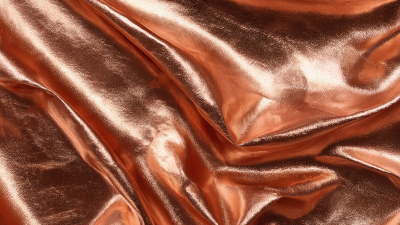
Polyester Taffeta Copper Coated Conductive Fabric is revolutionizing the way industries approach electromagnetic interference (EMI) protection and electrical conductivity. This high-performance fabric combines the lightweight and durable qualities of polyester taffeta with a specialized copper paint coating, making it an ideal choice for applications that require exceptional shielding without compromising on weight or flexibility. According to a report by MarketsandMarkets, the global market for conductive textiles is expected to grow at a CAGR of 25.2% from 2021 to 2026, driven by the increasing demand for EMI shielding in electronics, automotive, and military applications.
The unique properties of this fabric provide not only shielding from EMI but also excellent conductivity, making it a versatile solution across various sectors. For example, in the electronics industry, the fabric can be used to create protective enclosures for sensitive components, ensuring that devices operate within safe electromagnetic environments. Its effectiveness in reducing electromagnetic radiation exposure is underscored by studies showing that effective shielding can reduce EMI levels by up to 99%, which is crucial for maintaining the integrity and performance of electronic systems.
In addition to electronics, the Polyester Taffeta Copper Coated Conductive Fabric is also gaining traction in the automotive sector. With the growth of electric vehicles (EVs) and advanced driver-assistance systems (ADAS), the need for reliable shielding solutions has become paramount. This fabric can be seamlessly integrated into vehicle designs to protect critical components from EMI, thereby enhancing the overall safety and performance of modern vehicles. As industries continue to innovate and adapt to the challenges of EMI, the versatility and effectiveness of polyester taffeta conductive fabrics will play a crucial role in meeting future demands.
FAQS
: Copper nickel conductive cloth is a unique fabric that integrates copper and nickel fibers, providing conductivity for sensors and circuits while ensuring flexibility and comfort for everyday garments.
This innovative fabric can be used in various applications, such as fitness trackers embedded in clothing, health monitoring systems, and smart textiles that can monitor vital signs and adjust temperature dynamically.
It offers significant environmental advantages by reducing waste, as it can be produced using eco-friendly techniques and has a longer lifespan, minimizing the need for frequent replacements.
Industries prefer copper nickel solutions due to their cost-effectiveness and environmental benefits, as this material enhances product durability while lowering overall production costs.
The incorporation of this technology into garments can improve temperature regulation and reduce energy consumption in heating and cooling systems, aligning with demands for sustainable solutions.
It represents a shift towards sustainable textile manufacturing practices by integrating advanced materials that minimize resource usage and waste generation while providing unique electrical properties.
Yes, its recyclability supports a circular economy by reducing electronic waste and promoting responsible consumption.
It is recognized across various sectors, including automotive and electronics, as a catalyst for advancing technological development and sustainability.
Key properties include excellent electrical conductivity, corrosion resistance, flexibility, and durability, making it ideal for innovative applications in wearable technology.
The durability of this material means that products made from it last longer, resulting in less frequent replacements and a reduced environmental impact from textile production.
Conclusion
Copper Nickel Conductive Cloth is pretty impressive when you think about it. It’s this high-tech fabric that blends the unusual properties of copper and nickel, making it super handy for all kinds of modern industries. Honestly, you’ll probably notice it most in electronics—because it boosts conductivity and durability, helping electronic parts last longer and perform better. In cars, it’s like a game-changer too—by improving heat management and shielding against electromagnetic interference, it helps make vehicles safer and more efficient. Plus, it’s pretty exciting to see how this innovative fabric is being used in wearable tech, opening up a whole new world of smart clothing that packs electronic features right into our daily outfits.
And it’s not just about tech—Copper Nickel Conductive Cloth also has some real environmental perks. It fits right into more eco-friendly manufacturing practices, which is a big deal these days. Since 2009, SHIJIAZHUANG 3L TECHNOLOGY CO., LTD. has been leading the way in developing top-notch, professional textiles, and now, with solutions like this, industries can innovate without losing sight of sustainability. Honestly, it’s a pretty exciting time for smart, eco-conscious textiles—and this fabric is a perfect example of that.