Leave Your Message
0%

Looking ahead to 2025, it’s pretty exciting to see how the world of Textiles and advanced materials is about to change — especially with all the buzz aroundMeta Aramid Staple Fiber. A report from Research and Markets suggests that the global aramid fiber market might hit around $5.8 billion by then, growing at roughly 5.6% annually. That’s a clear sign that demand for high-performance materials is booming across industries, from aerospace to protective gear we wear every day.

Industry expert Dr. Emily Johnson, who knows her stuff when it comes to aramid fibers, even says, “The future of Meta Aramid Staple Fiber really hinges on how versatile and tough it is — it’s opening doors to all kinds of innovative uses that will set new safety and performance standards.” As companies keep pushing for more sustainable and safer solutions, Meta Aramid Staple Fiber is stepping up as a key ingredient in everything from fire-resistant fabrics to materials used in construction and cars.

And what’s really cool is that the developments coming in 2025 aren’t just about making things stronger and more reliable — they’re also about being kinder to the planet. With everyone obsessed with cutting down carbon footprints these days, manufacturers are putting a lot of effort into greener production methods for aramid fibers. It really seems like they’re becoming a fundamental part of building the responsible, next-gen materials we’ll rely on in the future.
Meta Aramid Staple Fiber Innovations for 2025 Trends and Applications

Emerging Trends in Meta Aramid Staple Fiber Technology for 2025

As we look ahead to 2025, the landscape of Meta Aramid Staple Fiber technology is undergoing significant transformation. The demand for high-performance materials in industries such as aerospace, automotive, and protective clothing is driving innovation. One of the emerging trends is the incorporation of advanced manufacturing techniques, such as 3D printing and additive manufacturing, which allow for more complex and customizable fiber applications. These advancements not only enhance the performance of meta aramid fibers but also reduce waste and increase efficiency in production processes.

Tips: For those considering the use of Meta Aramid Staple Fibers, it's essential to stay updated on the latest manufacturing innovations. Engage with suppliers who are investing in R&D, and seek materials that offer certifications for performance and sustainability. Additionally, evaluating the compatibility of these fibers with other materials will be crucial in designing products that meet rigorous standards.

Another notable trend is the focus on sustainability. Manufacturers are increasingly exploring eco-friendly alternatives and recycling methods for aramid fibers. This shift not only addresses environmental concerns but also meets the expectations of consumers and industries seeking greener options. Collaborations between companies and research institutions are set to yield breakthroughs that will redefine how these fibers are produced and utilized in the future.

Tips: When selecting Meta Aramid fibers, inquire about the sustainability practices of manufacturers. Look for options that incorporate recycled materials or have a lower environmental impact throughout their lifecycle. This approach will not only enhance your brand’s reputation but also contribute to a more sustainable future.

Meta Aramid Staple Fiber Innovations for 2025 Trends and Applications

Innovation Trend Key Applications Expected Benefits Projected Market Growth (%)
Enhanced Heat Resistance Firefighting Gear, Aerospace Improved Safety and Performance 15%
Lightweight Composites Automotive, Sports Equipment Increased Fuel Efficiency, Durability 20%
Eco-Friendly Production Textiles, Insulation Materials Reduced Environmental Impact 10%
Nano-Fiber Technology Medical Devices, Air Filters Enhanced Filtration, Biocompatibility 25%
Smart Textiles Wearable Technology, Health Monitoring Real-Time Data Integration 30%

Applications of Meta Aramid in Protective Clothing and Gear

Meta aramid staple fibers are gaining significant attention in the field of protective clothing and gear, thanks to their exceptional thermal stability, lightweight nature, and excellent resistance to chemicals and abrasions. These unique properties make meta aramid an ideal material for developing personal protective equipment (PPE) for various industries, including firefighting, military, and industrial work. Innovations in the production of meta aramid fibers are leading to enhanced durability, comfort, and performance, which is crucial for protecting workers in hazardous environments.

In protective clothing, meta aramid fibers can be woven into fabrics that provide a barrier against heat and flames, ensuring the safety of professionals exposed to extreme conditions. Beyond thermal protection, these fibers also exhibit resistance to chemical agents, making them suitable for applications in laboratories and chemical handling industries. As manufacturers focus on sustainability and functionality, we can expect advancements in meta aramid applications that not only prioritize safety but also meet the evolving demands for flexibility and mobility in protective gear. The integration of meta aramid fibers into modern protective clothing will continue to redefine standards in safety and comfort for professionals worldwide.

Innovative Manufacturing Processes for Enhanced Fiber Performance

The advancements in innovative manufacturing processes for meta aramid staple fibers are set to redefine their performance and application in various industries by 2025. One of the key innovations lies in the integration of automation and precision engineering in fiber production. This enables manufacturers to achieve higher consistency in fiber quality and enhanced mechanical strength, pivotal attributes in high-performance textiles and safety equipment. Moreover, the adoption of advanced spinning techniques allows for the creation of fibers with tailored properties, such as improved flame resistance and lower weight, making them ideal for use in protective clothing and industrial applications.

Another significant trend is the application of sustainable practices in the manufacturing of meta aramid fibers. Companies are increasingly exploring eco-friendly alternatives to traditional chemical processes, employing bio-based materials and recycling methods. This not only reduces the environmental impact but also meets the growing consumer demand for sustainable products.

As these innovative processes evolve, the versatility of meta aramid fibers across sectors—including aerospace, automotive, and personal protective equipment—will continue to expand, showcasing their essential role in future technological advancements and societal safety.

Sustainability in Meta Aramid Production: Future Perspectives

As the demand for sustainable materials increases, the production of meta aramid staple fibers is becoming increasingly focused on environmental responsibility. A recent report by MarketsandMarkets estimates that the global market for aramid fibers is projected to reach $5.15 billion by 2025, emphasizing the growing interest in sustainable alternatives. Innovations in manufacturing processes are key to achieving these sustainability goals, particularly through the use of recycled materials and eco-friendly production methods. Companies are investing in technologies that not only reduce waste but also minimize energy consumption, aligning with global sustainability targets.

Moreover, stakeholders across various industries are recognizing the importance of a circular economy in the production of meta aramid fibers. A study from Grand View Research forecasts a compound annual growth rate (CAGR) of 6.5% in the aramid fiber segment due to the rising need for lightweight, durable materials in automotive and aerospace applications. The push towards sustainable production practices is likely to reshape the supply chain, prompting manufacturers to adopt greener practices and certifications. By 2025, we may see significant advancements in meta aramid fiber technology that prioritize environmental impact while meeting industry demands.

Market Analysis: Demand Drivers for Meta Aramid Staple Fibers in 2025

The demand for meta aramid staple fibers is projected to see significant growth by 2025, driven primarily by increasing safety and performance requirements across various industries. The automotive and aerospace sectors are particularly influential, as manufacturers seek materials that offer high heat resistance, flame retardancy, and durability. As electric vehicles become more prevalent, the need for lightweight yet robust fiber solutions is more critical, making meta aramid staple fibers a preferred choice among engineers and designers.

Meta Aramid Staple Fiber Innovations for 2025 Trends and Applications

Additionally, the expansion of protective clothing markets contributes to the surging demand for meta aramid staple fibers. As occupational safety regulations tighten and the awareness of workplace hazards grows, industries such as firefighting, law enforcement, and military applications increasingly incorporate these fibers into their protective gear. Furthermore, advancements in technology and production processes are leading to enhanced properties of meta aramid fibers, allowing for better performance and application versatility, which further solidifies their market position in 2025.

Integrating Digital Solutions for Quality Control in Fiber Production

As the demand for high-performance textiles continues to rise, the integration of digital solutions for quality control in fiber production is becoming increasingly critical. For instance, a recent report from Markets and Markets projects that the global market for advanced textile technologies will reach $20.3 billion by 2025, indicating a compound annual growth rate (CAGR) of over 10%. This surge in investment is driving innovations in the manufacturing processes, especially in the production of meta aramid staple fibers, which are known for their exceptional heat and flame resistance.

Meta Aramid Staple Fiber Innovations for 2025 Trends and Applications

In this context, implementing digital quality control tools is essential for maintaining consistency and performance standards. Smart sensors and machine learning algorithms facilitate real-time monitoring of production lines, helping manufacturers quickly identify and rectify defects. According to a study by Transparency Market Research, adopting digital quality control measures can improve production efficiency by 30% and significantly reduce waste. As fiber producers look to capitalize on the growing demand for reliable, high-quality aramid fibers, leveraging technology will not only enhance operational efficiency but also assure clients of superior product performance.

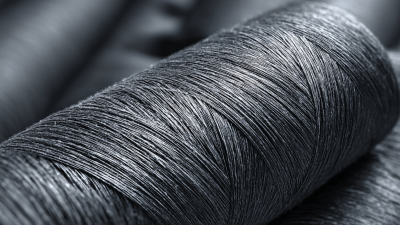
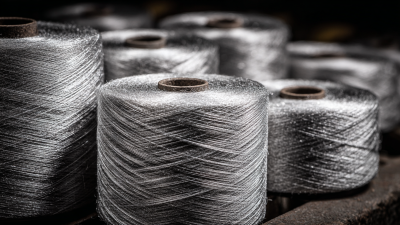
Harnessing the Strength and Versatility of Stainless Steel Fiber Spun Yarn in Modern Textiles

Stainless steel fiber spun yarn represents a remarkable advancement in the textile industry, combining the traditional benefits of textiles with the unique properties of stainless steel. By drawing stainless steel wires into fine fibers and subsequently spinning them into yarns, manufacturers have created a product that not only retains the metal's durable characteristics but also offers unprecedented advantages. This yarn is particularly notable for its high-temperature resistance, a feature that makes it ideal for applications in environments where conventional fabrics may fail.

Moreover, the electrical conductivity of stainless steel fiber spun yarn opens up exciting possibilities in the realm of smart textiles. These yarns can be utilized in the production of conductive fabrics, which are essential for developing innovative wearables and electronic textiles. The adaptability of stainless steel fiber allows for various textile processing techniques, including braiding, knitting, and weaving, thereby integrating seamlessly into a wide range of applications, from heat-resistant tubing to specialized tapes. As a versatile material, stainless steel fiber spun yarn is poised to revolutionize modern textile manufacturing by enabling the creation of high-performance fabrics for diverse industries.

FAQS

: What are the key properties of meta aramid fibers that make them suitable for protective clothing?

: Meta aramid fibers are known for their exceptional thermal stability, lightweight nature, and excellent resistance to chemicals and abrasions, making them ideal for protective clothing and gear.

In what industries are meta aramid fibers used for personal protective equipment (PPE)?

Meta aramid fibers are used in various industries, including firefighting, military, and industrial work, for developing PPE that protects workers in hazardous environments.

How do meta aramid fibers provide protection against heat and flames?

Meta aramid fibers can be woven into fabrics that create a barrier against heat and flames, ensuring the safety of professionals exposed to extreme conditions.

What advancements are being made in the manufacturing processes of meta aramid fibers?

Innovations include the integration of automation and precision engineering, which enhance fiber quality and mechanical strength, as well as advanced spinning techniques for tailored properties like improved flame resistance.

Are manufacturers of meta aramid fibers focusing on sustainability?

Yes, there is an increased exploration of eco-friendly alternatives and sustainable practices in manufacturing, including the use of bio-based materials and recycling methods.

How is digital technology being integrated into the production of meta aramid fibers?

Manufacturers are implementing digital quality control tools like smart sensors and machine learning algorithms for real-time monitoring, which helps identify and rectify defects quickly.

What impact does adopting digital quality control measures have on production efficiency?

Implementing digital quality control measures can improve production efficiency by 30% and significantly reduce waste in fiber production.

What is the projected growth of the advanced textile technologies market by 2025?

The global market for advanced textile technologies is projected to reach $20.3 billion by 2025, with a compound annual growth rate (CAGR) of over 10%.

How do advancements in meta aramid fiber applications benefit professionals?

Continued innovations in fiber production improve durability, comfort, and performance, enhancing safety and comfort for professionals working in hazardous environments.

What future developments can be expected in the use of meta aramid fibers?

The versatility and applications of meta aramid fibers are expected to expand across sectors, including aerospace and automotive, showcasing their importance in future technological advancements and safety.

Conclusion

The article "Meta Aramid Staple Fiber Innovations for 2025 Trends and Applications" explores the emerging trends and advancements in Meta Aramid Staple Fiber technology slated for 2025. It covers various applications, particularly in protective clothing and gear, highlighting how these innovative fibers can enhance safety and performance. Additionally, the piece discusses cutting-edge manufacturing processes that improve fiber capabilities and emphasizes sustainability in production practices. Opportunities in the market and the demand drivers for Meta Aramid Staple Fibers in 2025 are analyzed, alongside the integration of digital solutions for better quality control in fiber manufacturing.

As a leader in the advanced technical textiles industry, SHIJIAZHUANG 3L TECHNOLOGY CO., LTD. is committed to transforming high-performance materials into groundbreaking solutions, aligning with the trends and innovations outlined in the article to meet the evolving demands of global markets.

Ethan

Ethan

Ethan is a dedicated marketing professional at SHIJIAZHUANG 3L TECHNOLOGY CO., LTD., a forefront leader in advanced technical textiles manufacturing since 2009. With a profound expertise in the company's innovative product offerings, Ethan plays a vital role in communicating the transformative......
Previous Exploring the Versatility of Silver Coated Fabric for Global Industries