Leave Your Message
0%

In today's super competitive construction scene, picking the right materials can really make or break the strength, durability, and overall performance of your projects. One material that's been catching a lot of attention lately is the Uhpc Micro Copper Steel Fiber. This innovative fiber doesn’t just boost the mechanical qualities of ultra-high-performance concrete (UHPC), but it also offers better crack resistance and makes the material tougher overall. At SHIJIAZHUANG 3L TECHNOLOGY CO., LTD., we've been leading the way in tech textiles Manufacturing since2009. Our experience in turning high-performance textile materials into game-changing solutions has earned us a solid reputation across various industries worldwide.
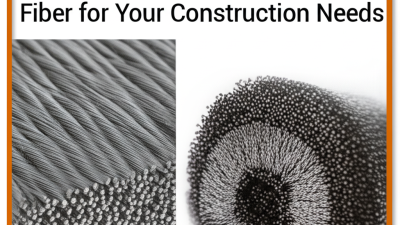
How to Select the Best Uhpc Micro Copper Steel Fiber for Your Construction Needs

In this blog, I’ll dive into the benefits of Uhpc Micro Copper Steel Fiber and share some tips on how to pick the best option for your specific construction needs. The goal? To help ensure your projects stand the test of time, built to the highest standards of quality and performance.

Understanding UHPC and Its Advantages Over Traditional Materials

Ultra-High Performance Concrete, or UHPC for short, is really shaking up the construction scene these days. It offers some seriously impressive benefits compared to your usual concrete. The secret lies in its special recipe—think fine aggregates, loads of cement, and a few clever additives—that come together to create a material that's not just super strong, but also incredibly durable. Because of these tough mechanical properties, UHPC is perfect for building things that face extreme conditions, like bridges or skyscrapers. Unlike traditional concrete, which tends to crack or let water seep in over time, UHPC stands up much better against these issues, so your structures last longer and require less maintenance.

How to Select the Best Uhpc Micro Copper Steel Fiber for Your Construction Needs - Understanding UHPC and Its Advantages Over Traditional Materials

Property UHPC Micro Copper Steel Fiber Traditional Steel Fiber Applications
Tensile Strength (MPa) 900-1200 500-800 High-performance structures, pavements, precast elements
Flexural Strength (MPa) 30-50 15-30
Durability (Freeze/Thaw) Excellent Moderate
Water Permeability (L/m2/s) > 1.0

Exploring the Role of Micro Copper Steel Fibers in Enhancing UHPC Performance

You know, micro copper steel fibers really play a big part in boosting the performance of Ultra-High-Performance Concrete (UHPC). I came across some recent industry reports, and they mention that adding these tiny fibers can seriously enhance the tensile strength and flexibility of UHPC. That’s a big deal because it makes the material great for tough construction jobs. From what research shows, throwing in micro copper steel fibers can bump up the mechanical properties of UHPC by as much as 30%. Engineers basically get a material that not only handles heavy loads better but also lasts longer.

And here’s the cool part — these fibers help reduce cracking, which is a pretty common headache with traditional concrete. They distribute stress more evenly across the mix, acting like tiny reinforcements that slow down crack formation and growth. There was a study in the Journal of Materials in Civil Engineering that found concrete with micro copper steel fibers had about 25% less crack width compared to those without reinforcement. That means your structures won’t just last longer — they’ll also need less maintenance over time. Honestly, that makes this stuff pretty appealing for modern-day construction projects.

Comparative Analysis of Fiber Types: Benefits of Micro Copper Steel vs. Alternatives

When you're trying to pick the best UHPC (that’s Ultra-High-Performance Concrete) micro copper steel fiber, doing a bit of a head-to-head comparison with other fiber types really highlights some pretty big advantages. Micro copper steel fibers are known for their tough, high-mechanical properties—adding these can seriously boost the concrete’s ductility and durability. In fact, recent studies suggest that including micro copper steel fibers can bump up the flexural strength of UHPC by as much as 50% compared to standard micro fibers. That’s a game-changer, especially when you’re dealing with construction projects that need to stand up to tough conditions and resist cracking over time.

What’s really cool about these fibers is their high tensile strength and resistance to corrosion. These traits make them a top choice for different structural parts, especially in concrete that needs to last long and take a beating. Plus, research shows that adding micro copper steel fibers can lower permeability and give the concrete better long-term performance. At SHIJIAZHUANG 3L TECHNOLOGY CO., LTD., we’ve been at the forefront of advanced technical textiles since 2009, and we use these innovative materials to craft solutions that are tailored specifically for the construction world. Our focus on pushing the envelope helps ensure that our fibers deliver the best performance and durability, making them a solid option for UHPC projects aiming for top-notch quality and longevity.

Key Factors in Selecting the Right Fiber for Your Specific Construction Applications

When you're on the hunt for the best UHPC micro copper steel fibers for your construction projects, there are a few key things you definitely want to keep in mind—things that really match up with what you’re working on. First off, the tensile strength of the fibers is pretty much non-negotiable. Based on some solid reports from the American Concrete Institute, UHPCs can push past 150 MPa in compressive strength when you add high-quality micro steel fibers. That’s a big deal because it means your structures will last longer and stand up better against tough conditions or heavy loads.

Another thing to think about is the aspect ratio of those fibers—basically, how long they are compared to their thickness. This impacts how your mix handles and how well it performs overall. According to research shared by the Journal of Materials in Civil Engineering, fibers with an aspect ratio somewhere between 40 and 80 tend to do the best job at bridging cracks and making the material tougher. Oh, and don’t forget about how much fiber you plan to add—generally speaking, around 2% to 3% by volume—that can really boost the toughness and energy-absorbing qualities of your concrete.

Last but not least, compatibility is key. You’ll want to make sure the fibers play nicely with everything else in your mix. The cool thing about micro copper fibers is that they don’t just improve tensile strength—they also add a layer of resistance against corrosion. Recent studies published in the International Journal of Concrete Structures and Materials show that including copper fibers can really increase durability, especially in harsh environments. So, yeah, incorporating these can be a smart move depending on what you’re building and where.

Industry Standards and Testing Protocols for Evaluating Fiber Performance in UHPC

When you're choosing UHPC micro copper steel fibers for your construction projects, it's really important to get acquainted with industry standards and testing methods. These fibers are pretty essential for boosting the mechanical properties of ultra-high-performance concrete. But, honestly, their real effectiveness depends on thorough testing that aligns with recognized benchmarks. Organizations like ASTM International and ACI lay out clear guidelines for characterizing these fibers — things like tensile strength, how they stretch (tensile modulus), and how well they resist pulling out. Sticking to these standards helps make sure the fibers will hold up well in tough, demanding environments.

When it comes to testing, most of it happens in labs where they try to mimic real-life conditions. Stuff like how evenly the fibers are distributed, how strong their bond is with the concrete, and how they might affect workability are all key points. Plus, a few advanced techniques—like scanning electron microscopy and fiber pullout tests—give us a closer look at how the fibers and the concrete interact. By following these protocols, builders can pick the right micro copper steel fibers to really boost both the strength and durability of their UHPC structures.

In the end, this means more resilient, longer-lasting, and more sustainable buildings and bridges — definitely worth the effort!

Enhancing Thermal Management: Key Insights from 2022 Industry Reports on Thermal Resistance PBO Fiber Netting Tape Applications

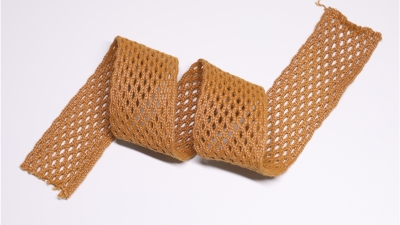
In the ever-evolving landscape of thermal management, the insights gleaned from the 2022 industry reports reveal the critical role of thermal resistance in various industrial applications, particularly in sectors such as glass production. The delicate nature of hollow glass necessitates a rigorous approach to temperature control to avoid damage during manufacturing. The reports underscore the importance of employing heat-resistant materials in key areas, including stackers, conveyor belts, and rollers, which are in direct contact with hot glass. Utilizing innovative solutions like PBO fiber netting tape can significantly enhance thermal resistance, ensuring that these components can withstand extreme temperatures without compromising performance.

Moreover, the application of PBO fiber netting tape not only addresses thermal challenges but also contributes to the overall efficiency and longevity of machinery involved in glass production. The durable nature of this tape provides insulation that effectively reduces the risk of scratching, cracking, or breaking glass due to thermal shock. By strategically integrating such materials into the manufacturing process, companies can enhance their operational reliability and reduce production losses, all while maintaining the high standards demanded in the glass industry. This comprehensive approach to thermal management reflects a broader trend towards innovative materials that can withstand the rigors of industrial applications while optimizing production efficiency.

FAQS

: What is Ultra-High Performance Concrete (UHPC)?

: UHPC is a type of concrete that features a unique composition including fine aggregates, high cement content, and specific additives, resulting in a material that is significantly stronger and more durable than traditional concrete.

What are the advantages of using UHPC over traditional materials?

UHPC offers enhanced mechanical properties, improved resistance to cracking and water infiltration, greater durability, longevity, and reduced maintenance costs compared to conventional concrete.

How does UHPC adapt to innovative designs?

UHPC's high flexural strength and low permeability allow architects and engineers to create slender, lightweight structures without compromising safety, enabling innovative architectural designs.

What role do micro copper steel fibers play in UHPC?

Micro copper steel fibers enhance the performance of UHPC by providing additional tensile strength and toughness, which contributes to the overall durability and reliability of concrete structures.

How does the performance of micro copper steel fibers compare to alternative fibers?

Micro copper steel fibers show superior mechanical properties, increasing the flexural strength of UHPC by up to 50% compared to conventional micro fibers, making them ideal for high-durability applications.

Why are micro copper steel fibers preferred for construction in extreme conditions?

Their high tensile strength, corrosion resistance, and ability to reduce permeability make micro copper steel fibers particularly effective for structures exposed to harsh environmental conditions.

What is the significance of SHIJIAZHUANG 3L TECHNOLOGY CO., LTD. in the UHPC field?

SHIJIAZHUANG 3L TECHNOLOGY CO., LTD. is known for leading the development of advanced technical textiles, providing innovative micro copper steel fibers tailored to meet the specific performance needs of the UHPC industry.

Can UHPC contribute to aesthetic construction purposes?

Yes, the combination of high performance and design flexibility allows UHPC to be used in aesthetically pleasing structures while ensuring structural resilience.

How does UHPC's durability impact maintenance costs?

The enhanced durability and longevity of UHPC reduce the frequency and extent of maintenance required for structures, leading to lower long-term costs.

What makes UHPC suitable for modern construction demands?

UHPC’s unique properties, including strength, durability, and adaptability for innovative designs, meet the evolving requirements of contemporary construction, making it a vital material for high-performance applications.
Ethan

Ethan

Ethan is a dedicated marketing professional at SHIJIAZHUANG 3L TECHNOLOGY CO., LTD., a forefront leader in advanced technical textiles manufacturing since 2009. With a profound expertise in the company's innovative product offerings, Ethan plays a vital role in communicating the transformative......
Previous Exploring the Versatility of Silver Coated Fabric for Global Industries