- Home
- Products
- News
- Application
- Solution
- About Us
- Contact Us
Leave Your Message
In the fast-changing world of advanced textiles, Copper Nickel Conductive Fabric has really shaken things up in a bunch of different industries. A recent market research report found that the global market for conductive fabric is projected to hit a whopping $9.4 billion by 2026. You can thank the rising popularity of wearable tech, electronics, and even shielding solutions for that! As businesses look for ways to boost performance and reliability, being able to weave electrical conductivity right into their Fabrics is becoming super important. This cutting-edge material not only excels in conductivity but also brings a lot of durability and flexibility to the table—perfect for uses in electronics, military gear, and healthcare, just to name a few.
Over at SHIJIAZHUANG 3L TECHNOLOGY CO., LTD., we've been at the leading edge of technical textiles manufacturing since 2009. We specialize in turning high-performance tech-textile materials into groundbreaking solutions. Our knowledge of Copper Nickel Conductive Fabric fits right in with the trends we see in the market, enabling us to offer customized solutions that really meet our clients' specific needs. With our focus on innovation and professional excellence, we're all in on leading the way towards integrating advanced conductive textiles into a variety of applications, making sure our customers get access to the best materials out there!
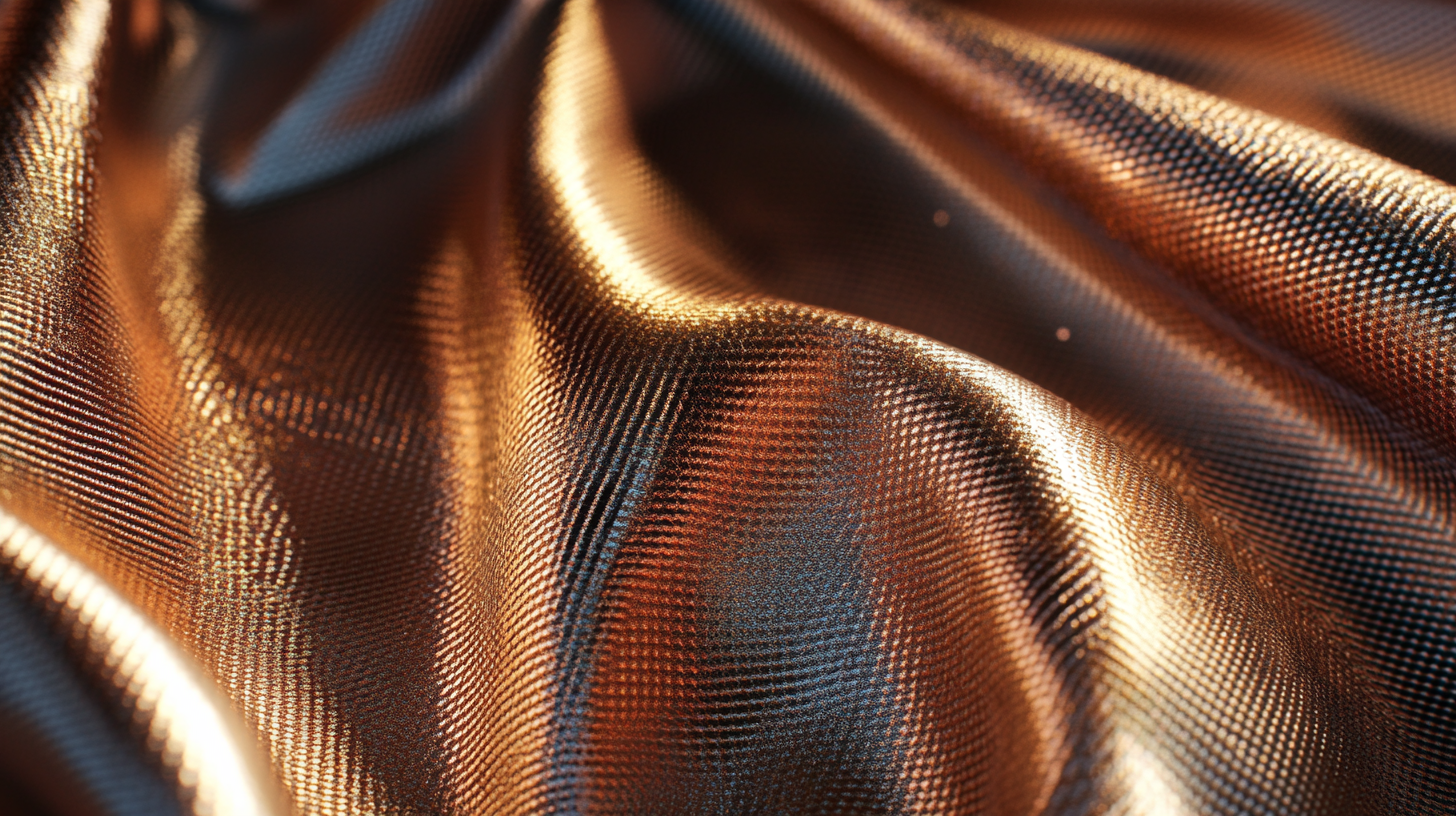
So, let's talk about conductive fabrics for a sec—copper-nickel blends really grab your attention, right? They’ve got some pretty cool properties and are super versatile for all kinds of uses. If you’re thinking of using these in electronic textiles, it’s key to know a bit about them. You see, copper-nickel conductive fabrics are actually woven in different patterns—like twill—which can totally change up how they perform electrically. Some recent research even shows that tweaking the weft and warp densities can have a big impact on the fabric’s surface resistivity and conductivity. These are super important when it comes to making garments that need to incorporate electronics. With wearable tech taking off, there’s been a lot of buzz around innovative conductive textiles. Everyone's on the lookout for materials that can turn plain old fabrics into something functional! Think about it: these conductive fabrics can be woven into smart clothing that can do things like function as capacitive pressure sensors. And it’s not just about looking sleek; it really amps up how the wearer interacts with their environment or even with the garment itself. Plus, as we dive deeper into the world of electronics in textiles, have you heard about how we can now print conductive patterns right onto the fabric? It opens up a whole new world of design possibilities! Techniques like inkjet printing with conductive inks mean we can get super creative while keeping the fabrics flexible and comfy. This blend of science and tech is seriously paving the way for the future of clothing—it’s not just about style anymore; it’s about making clothes that actually have some serious function behind them, too!
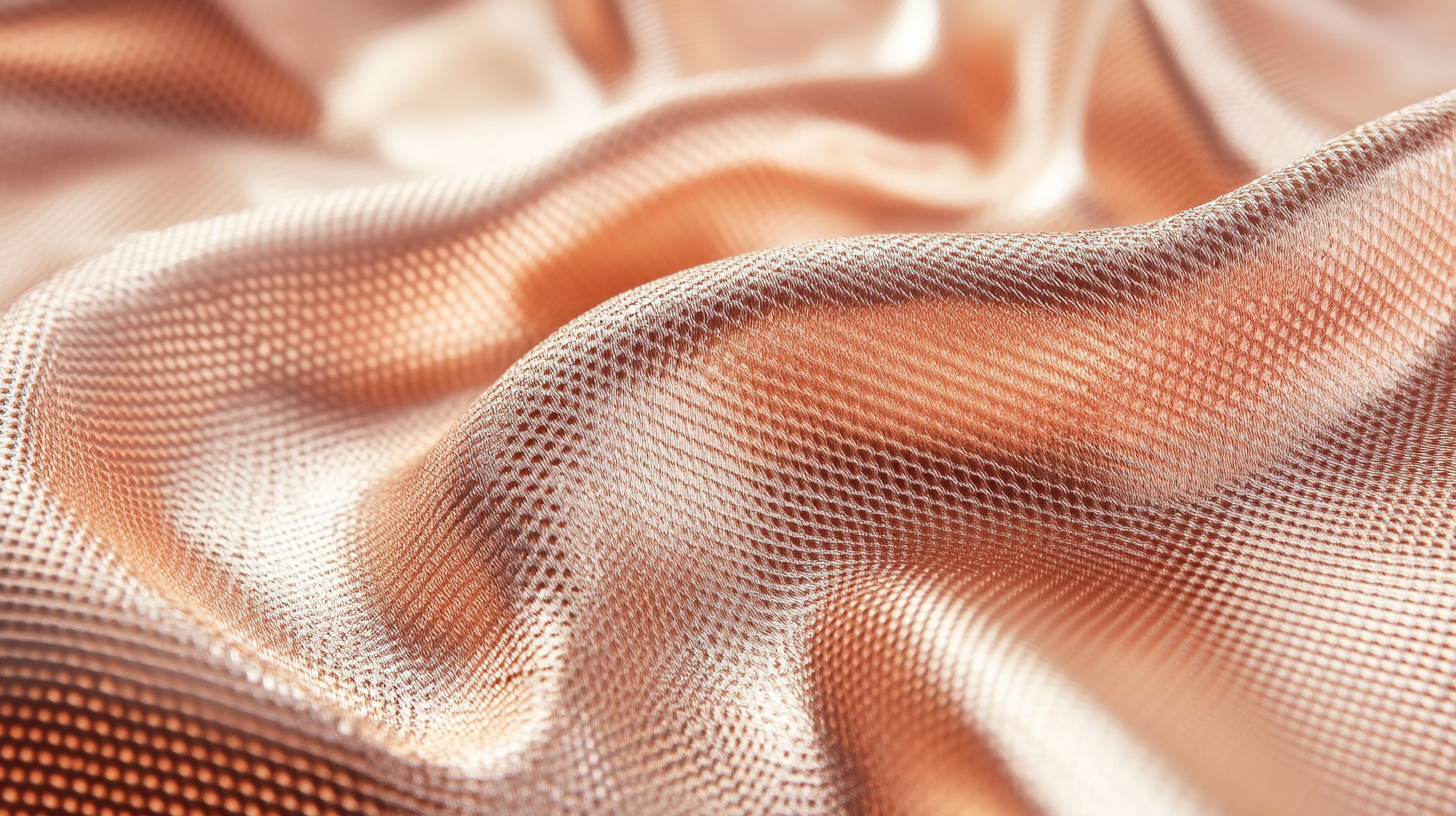
Picking the right copper nickel conductive fabric for your needs can feel like a bit of a challenge, but don’t worry—I’ve got you covered! When you’re diving into the selection process, there are a few key properties you really need to keep in mind. First off, let’s talk about conductivity—it’s a big deal! The fabric should have low electrical resistance so it can really handle dissipating static and improving signal transmission. Did you know that according to a report from the Specialty Fabrics Association, some of these conductive fabrics can hit conductivity levels as low as 0.1 ohm per square? That makes them perfect for all sorts of high-frequency applications across different industries. Isn’t that cool?
Then there’s durability, which is super important too. Conductive fabrics often face a lot of wear and tear, so you need something that can take a beating—bending, stretching, and even abrasion should be no problem without losing that conductivity. Research shows that how the fabric is made can really impact its durability. For instance, woven fabrics generally last longer than knitted ones. The American Society for Testing and Materials (ASTM) even has standards to help folks gauge how tough these fabrics are, making it clear that you should choose materials that can stand up to harsh conditions.
Oh, and let’s not forget about thermal management—this is another thing you don’t want to overlook! Copper nickel conductive fabrics can really shine when it comes to heat control, a must-have in situations where there’s a lot of heat being generated. There’s this study in the Journal of Materials Science that shows how adding copper and nickel can boost heat dissipation, which is key in preventing those pesky overheating issues in electronic devices. So, taking a look at the thermal properties of these conductive fabrics is crucial for getting the best performance in all sorts of high-tech applications. Got it?
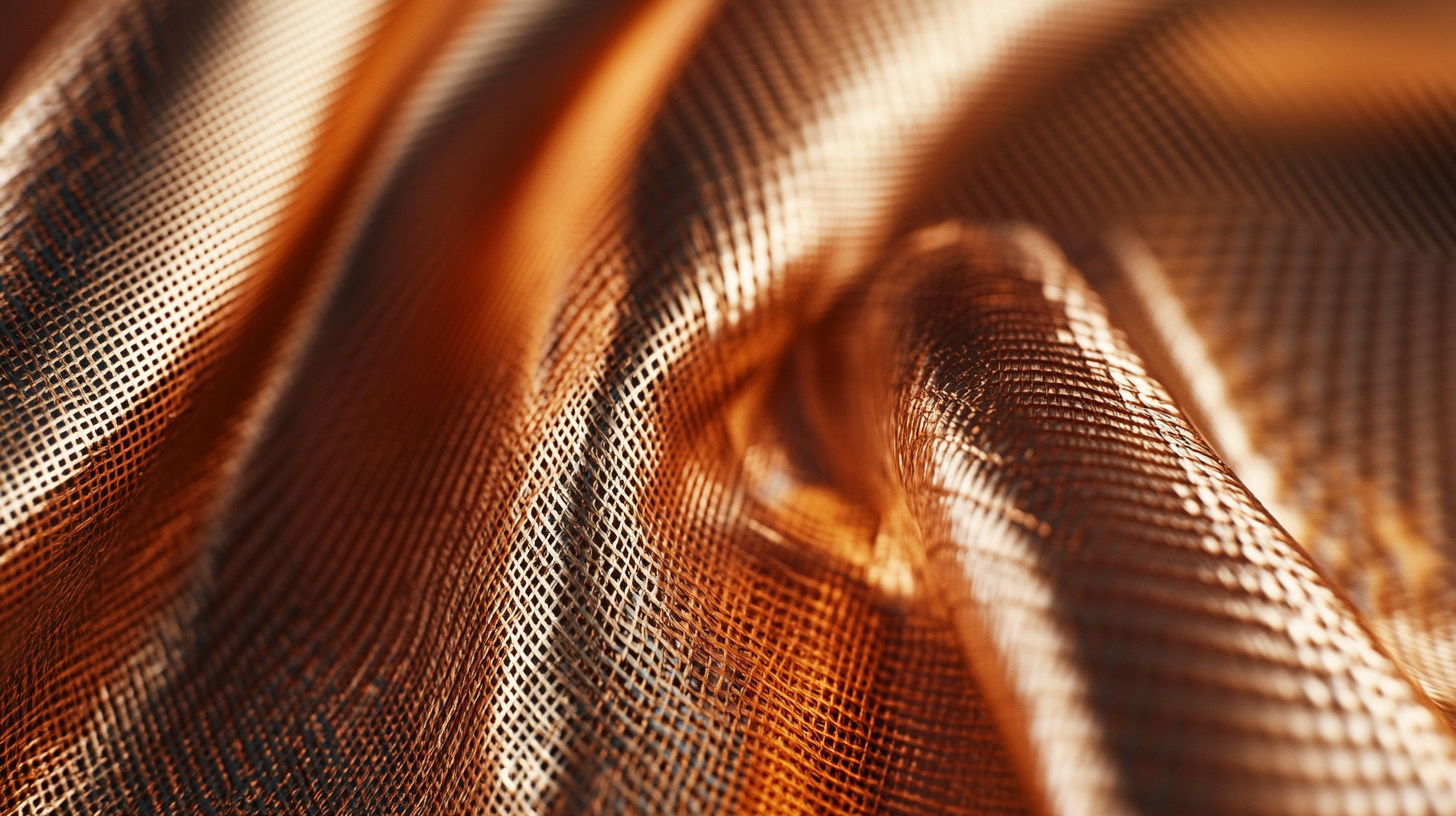
So, when you're on the hunt for the best copper-nickel conductive fabric for your specific needs, it’s super important to really get how different copper-nickel mixes behave. These alloys are known for being pretty tough against corrosion and biofouling, which is a game-changer, especially in marine settings. That’s why they’re often the go-to materials for things like seawater piping systems and shipbuilding. The performance of these alloys really depends on their chemical make-up; you’d be surprised how much the amount of nickel can sway conductivity and mechanical properties.
Now, when it comes to checking out how these conductive fabrics perform, you really gotta dig into their chemical structure. For example, alloys with a higher nickel content typically pack a stronger punch when it comes to strength and resisting corrosion. Lately, research has shown that adding certain alloying elements can really boost the surface quality of these materials, which means they last longer and work better even when things get tough environment-wise. Usually, experiments look at things like residual stresses and changes in surface composition to really nail down how the material's make-up ties into its performance.
In scenarios where you need top-notch conductivity, resistance to corrosion, and prevention of biofouling, finding the right copper-nickel conductive fabric with the right composition becomes key to ensuring everything runs smoothly. As the industry keeps changing, ongoing research really sheds light on how important it is to customize these alloys to hit exact operational targets. This kind of info can be a real help for manufacturers and engineers trying to make the right choice.

So, when you're picking out copper nickel conductive fabric for whatever you're working on, keep in mind that the thickness and weave patterns are super important. These factors really affect just how well the fabric performs. You know, studies show that the thickness of these conductive fabrics can really vary, usually hanging out between 0.3 mm and 1.5 mm. Generally speaking, thicker fabrics give you better shielding effectiveness, which is a big plus for high-frequency stuff. For example, if you're using a 1 mm thick copper nickel fabric, it can hit a shielding effectiveness of over 70 dB at 1 GHz—pretty impressive, right? That’s according to a report from the Journal of Electromagnetic Waves and Applications.
Now, let’s not forget about the weave pattern. It actually plays a key role in determining how well the fabric conducts electricity and how strong it is overall. Fabrics that have tighter weaves usually show better conductivity because there’s more surface contact between those copper and nickel fibers. A study from the International Journal of Advanced Manufacturing Technology even pointed out that tight weaves can boost conductivity by about 30% compared to looser ones, given similar conditions. Plus, the style of weave you go for—whether it’s plain, twill, or satin—can really influence how flexible and drapey the fabric feels. So, matching this up with what you specifically need for your application is really crucial.
At the end of the day, getting a good grasp on how fabric thickness and weave patterns interact is key to making a smart choice when it comes to copper nickel conductive fabric. Whether you're in the game for EMI Shielding, developing wearables, or diving into other high-performance uses, taking a good look at these features will definitely help you nail down the effectiveness of your solution.
You know, copper nickel conductive fabrics are popping up in all sorts of industries these days, and it's really cool to see how versatile they are! One major area where they're making waves is telecommunications. These fabrics are super handy for shielding against electromagnetic interference (EMI), which helps keep sensitive electronics running smoothly. Plus, they're super lightweight and flexible, so you can easily integrate them into cables and connectors without losing performance – that’s pretty neat!
And it doesn't stop there! The automotive sector has caught on to the benefits of copper nickel conductive fabrics too. They're being used to make parts that need EMI shielding and even static discharge. You can find them in places like car seats and dashboards, making rides more comfortable while also boosting the reliability of high-tech gadgets. It's like, who knew your car could be so smart?
When it comes to wearable tech, this stuff is a game changer. Imagine clothes that can monitor your health or the environment around you – that's the power of conductive fabrics. They're enabling some seriously advanced features in smart textiles!
Oh, and let’s not forget about aerospace applications! Copper nickel fabrics are crucial for keeping signals clear during flights and protecting sensitive equipment from those pesky external electromagnetic fields. They're tough too, resisting corrosion and holding up under extreme conditions, which is exactly what you want in airplanes.
As technology keeps evolving, I wouldn’t be surprised if the demand for these high-performance conductive fabrics keeps soaring. It’s exciting to think about how they’ll help push the boundaries across different fields.
So, when you're on the hunt for the best copper nickel conductive fabric for your specific needs, it's super important to find that sweet spot between cost and quality. There’s quite a bit of research out there that shows how the conductivity and toughness of these fabrics can really influence how well your project does. For example, a study from the Technical Textile Association points out that fabrics with a higher copper content can give you better conductivity, but you’ll pay a bit more for the privilege. If you're looking at things like wearables or military gear, shelling out for quality conductive fabric can really pay off in terms of performance and durability.
Now, let’s not forget about the money side of things. A market analysis by Grand View Research says the conductive textiles market is expected to hit a whopping $3.83 billion by 2025, which really shows there's a growing appetite for top-notch materials. But here’s the kicker: budget constraints are a real headache. Businesses really need to think about whether they're willing to put down money upfront, considering that it might save them in the long run with less need for maintenance or replacements. Plus, industry benchmarks tend to show that while cheaper conductive fabrics might seem like a bargain at first, they often can't hold a candle to the more expensive options when it comes to performance and durability. In the end, this can lead to higher costs over time.
To wrap it up, if you’re diving into the world of copper nickel conductive fabrics, it’s a good idea to really weigh those trade-offs between cost and performance. Chatting with reliable suppliers and checking out industry reports can definitely give you some great insights and help you make smart choices that fit your specific needs and budget.
Okay, so when you're picking out copper nickel conductive fabric for different uses, it's super important to keep sustainability in mind. You know how the textile industry often gets a bad rap for its impact on the environment? Well, it's key to choose materials that not only perform well but are also kind to the planet. Copper nickel fabrics really shine here – they provide great conductivity and durability, plus you can actually source them from sustainable practices. That makes them a more eco-friendly choice overall!
Now, here’s a handy tip: when you’re looking for fabric, check out manufacturers who focus on ethical sourcing for their copper and nickel. You’ll want to find companies that practice responsible mining and are into recycling initiatives. Also, it’s a good idea to look into their production processes. Are they energy-efficient? Do they have waste reduction policies? That stuff gives you a real feel for how committed they are to sustainability.
And let’s not forget about what happens to the fabric at the end of its life. By choosing copper nickel conductive fabric that can be recycled or repurposed, you’re playing a part in a circular economy and keeping waste out of landfills. Plus, it’s a smart move to go with suppliers who offer solid end-of-life programs, making sure that when the fabric’s done its job, it can be processed properly. So, keeping sustainability upfront in your choices not only boosts the environmental benefits of what you’re making but also lets you enjoy all the amazing qualities of copper nickel fabrics!
So, when you're trying to pick the right copper nickel conductive fabric for your projects, it's super important to get a handle on the testing methods that really show off how well the fabric holds up in terms of conductivity and durability. Researchers are diving into all kinds of materials and tech to boost the functional properties of conductive textiles. For example, some recent studies have taken a closer look at the thermomechanical properties of these new polymer-coated yarns, which are specifically made for thermoelectric wearables. They really highlight how crucial it is for the materials to jive well with electronic components if you want everything to perform effectively.
And let’s face it, as the smart textile market keeps growing, we really need some standardized testing methods that can accurately check how these fabrics hold up over time. Testing e-textiles isn’t exactly straightforward; we’ve got to look at both how they perform electrically and how they behave as fabrics. A recent investigation into the washability of textile-integrated circuits showed some impressive progress by checking out how different textile substrates and circuit materials can handle several wash cycles. This really underscores the need for some serious durability assessments.
On top of that, there are some exciting innovations rolling out, like self-repairing textile composites that incorporate bacterial biofilms. How cool is that? These might let future fabrics adapt and keep doing their job over time. All of these advancements suggest that thorough testing for conductivity, washability, and mechanical properties will be super important in figuring out the best options for various applications in wearable tech.
Copper-nickel conductive fabrics are known for their excellent resistance to corrosion and biofouling, making them ideal for marine applications such as seawater piping systems and shipbuilding.
Higher nickel content in copper-nickel alloys generally enhances their strength and corrosion resistance, thereby improving the overall performance of conductive fabrics.
The chemical makeup of copper-nickel alloys impacts their conductivity and mechanical properties, necessitating thorough analysis to ensure optimal functionality in specific applications.
Buyers should weigh the trade-offs between cost and performance, as higher copper content typically offers better conductivity at a higher price, while cheaper alternatives may lead to increased long-term costs due to lower durability.
Standardized testing methods are essential to evaluate the electronic capabilities and textile characteristics of conductive fabrics, including assessments of washability and mechanical properties.
As the global conductive textiles market grows, buyers must navigate budget constraints while considering the long-term benefits of investing in quality materials that enhance functionality and longevity.
Researchers are looking into polymer-coated yarns for thermoelectric wearables and self-repairing textiles that integrate bacterial biofilms, which could enhance the durability and adaptability of conductive fabrics.
Engaging with reputable suppliers and referencing industry reports can provide valuable insights, aiding buyers in making informed decisions that align with their specific needs and budget constraints.