You know, in today’s fast-changing world of technical textiles, finding the right Metal fiber Mixed Yarn has really become vital. Industries are on the lookout for advanced materials that not only perform well but also stand the test of time. A recent report from Smithers Pira predicts that the global market for technical textiles could hit a whopping $200 billion by 2025, and guess what? Metal fiber composites are expected to play a huge part in this boom. Ever since SHIJIAZHUANG 3L TECHNOLOGY CO., LTD. kicked off back in 2009, we’ve been leading the charge in crafting high-performance Tech-textile materials. We're all about turning cutting-edge ideas into game-changing solutions for various industries around the globe. Our know-how in Metal Fiber Mixed Yarn not only caters to our clients’ diverse needs but also gives us a prime spot in this highly competitive market as innovators and pros. As demand ramps up and competition gets fiercer, figuring out the best strategies for sourcing Metal Fiber Mixed Yarn is going to be super important for companies looking to stay ahead of the pack.
Understanding the Key Technical Specifications of Metal Fiber Mixed Yarn
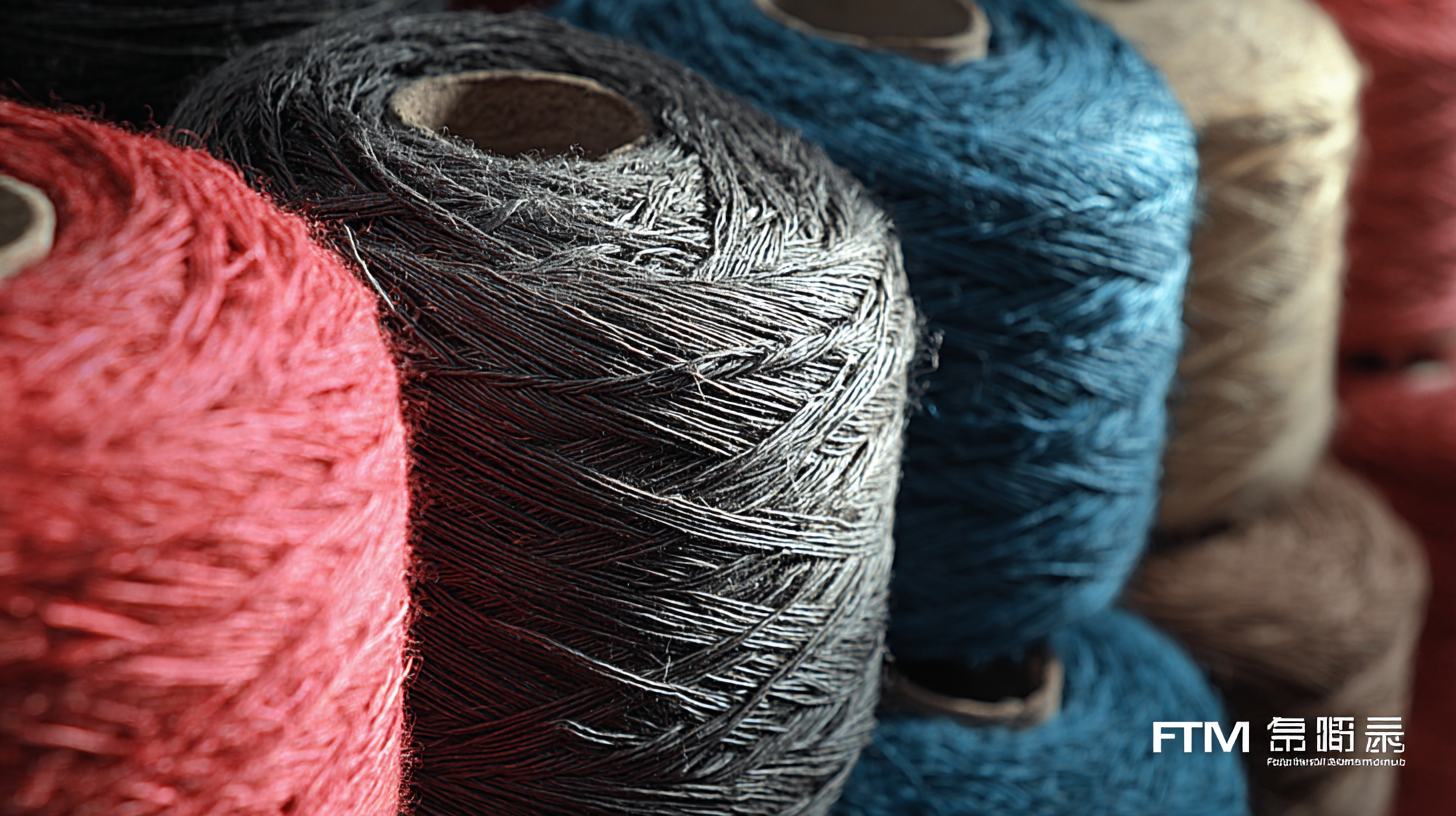
When you're diving into sourcing metal fiber mixed yarn, it's super important to really get a grip on the key technical specs so you can make smart decisions. Think about things like fiber composition, tensile strength, and thermal resistance—they all play a big role in how the yarn behaves. Metal fibers, usually made from materials like stainless steel or copper, come with some pretty cool perks, like conductivity and durability, which makes them perfect for all sorts of applications. Don’t forget to look at how much metal fiber is blended in with other materials, because that mix not only changes how the yarn performs but also how it feels in your hands.
Tip 1: Always ask your suppliers for detailed product specs to compare different options. Trust me, data sheets that outline things like tensile strengths and thermal properties can really help you figure out if the yarn will work for your project.
Plus, the way the yarn is made can really affect its quality. It's worth checking out the spinning methods and finishing processes because these can either enhance or reduce the great qualities of those metal fibers.
Tip 2: Work with manufacturers who are willing to send you samples for testing. Getting that hands-on experience can really show you how the yarn performs in real life, which is super helpful in making a good choice.
By zeroing in on these specifications, you'll be well-equipped to navigate the busy market and find the very best metal fiber mixed yarn for what you need.
Evaluating Quality Standards for Metal Fiber Mixed Yarn in Production
When you're looking to source metal fiber mixed yarn, it's super important to keep an eye on quality standards throughout the production phase. So, first off, you really want to get a grasp on what specific requirements the metal fibers in your yarn need to meet. Depending on what you're using it for, you might need different levels of conductivity, tensile strength, and even corrosion resistance.
It's always a good idea for manufacturers to be open about where they are getting their materials from and to have those quality certifications handy. It really builds trust!
One solid tip is to set up a thorough quality assurance protocol. Think regular inspections at all sorts of stages in the production process. This way, you can catch any hiccups or deviations from the standards pretty early on. And hey, bringing in third-party testing services can give you that unbiased look at yarn quality—definitely makes sure you’re meeting those industry benchmarks before anything hits the market.
On top of that, working closely with your suppliers can take the quality of your yarn to the next level. Staying in touch and sharing feedback about how things are going in production is key. It lets manufacturers tweak things and keep those high-quality standards intact. By nurturing a solid relationship, you not only end up with better quality yarn but also get a heads-up on any cool innovations or improvements that could really give your sourcing strategy a boost in this competitive market.
Identifying Reliable Suppliers for High-Quality Metal Fiber Yarn
When you're on the hunt for top-notch metal fiber yarn, finding trustworthy suppliers is absolutely essential—especially in a market that’s as competitive as it is. One smart move is to do some deep digging into potential suppliers. This means checking out their reputation in the industry, reading what clients have to say about them, and looking into any certifications they boast. You know, the best suppliers are usually the ones that are all about quality, showing off their solid processes and being open about how they operate. Plus, having a good chat with them can really help you understand where they source their materials and what they’re actually using.
Another great way to get a feel for things is to hit up industry trade shows and exhibitions. These events are not just cool because you can meet suppliers face-to-face, but you also get to see the quality of their metal fiber yarn up close and personal. Building connections with a solid network of suppliers can definitely help with negotiations later on. In the end, this means you can snag the best materials for your projects and keep your edge in the market—how awesome is that?
Comparative Analysis of Metal Fiber Mixed Yarn Types and Their Applications
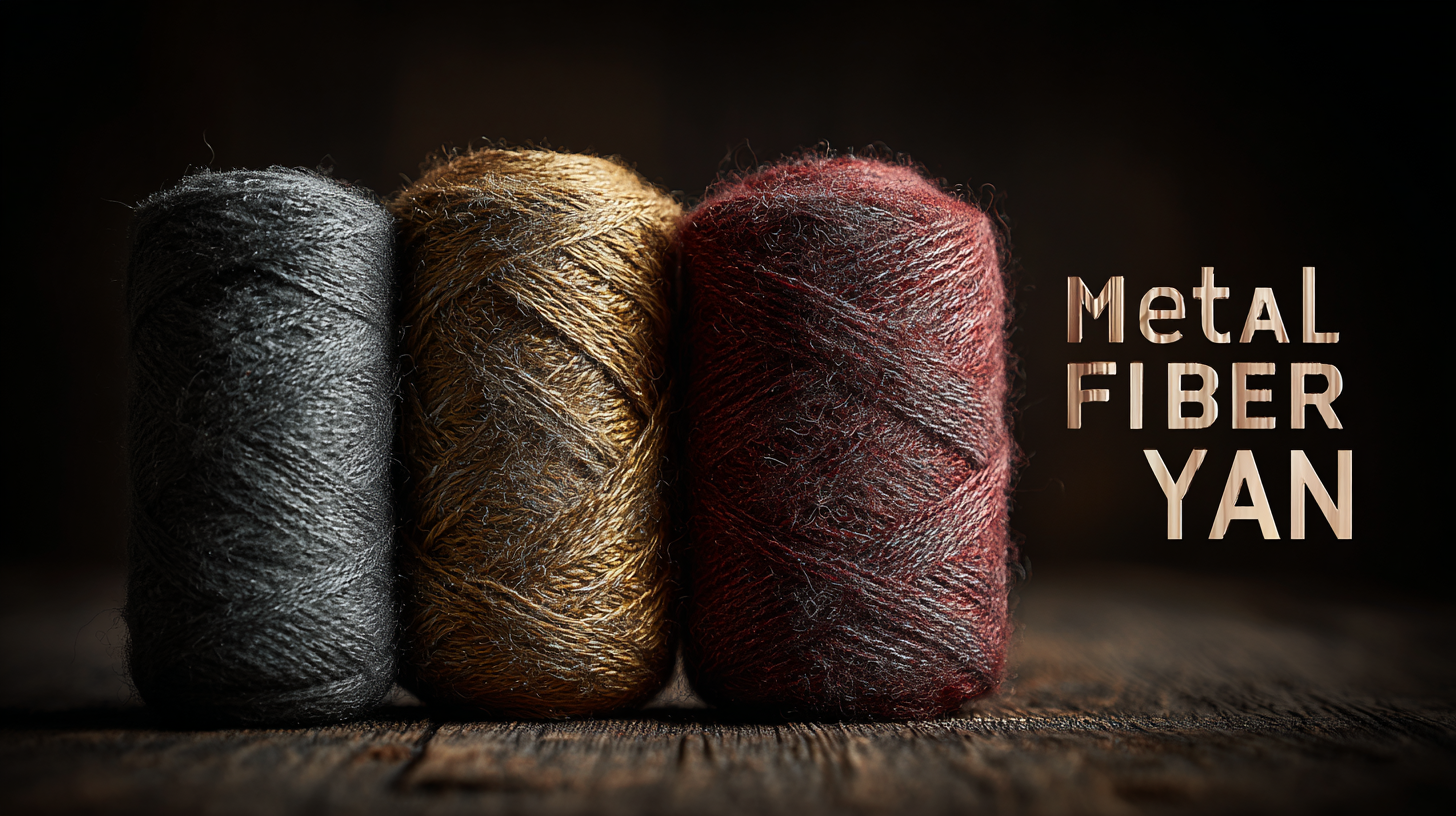
So, when it comes to the world of metal fiber mixed yarn, it’s super important for businesses to really get a handle on the different types out there and how they can be used. This type of yarn isn’t just any yarn; it’s special because it mixes various fiber types, and each one brings its own unique benefits that can really help in different industries. Take Yarns that includestainless steel fibers, for example—they’re sought after for their ability to conduct electricity and resist static, which means they’re perfect for electronics. Then you’ve got yarns blended with aluminum fibers, which are lightweight and do an awesome job with thermal conductivity, making them a great fit for high-temperature settings.
Now, it’s worth mentioning that the market’s been shifting a lot, mainly thanks to technological advances, especially in laser processing equipment. This is really picking up steam because it makes manufacturing a lot more efficient. Plus, the whole COVID-19 situation has really driven home the need for strong supply chains and inventive production methods. Companies like SHIJIAZHUANG 3L TECHNOLOGY CO., LTD. are right in the thick of it, using these new technologies to create some amazing high-performance tech textiles. By diving deeper into the pros and cons of the different types of metal fiber mixed yarns, industries can make smarter choices that boost their efficiency and improve product quality.
Strategies for Cost-Effective Sourcing of Metal Fiber Mixed Yarn
You know, in the ever-changing textile world, finding a way to source metal fiber mixed yarn cost-effectively is super important if you want to stay ahead of the game. A recent report from MarketsandMarkets highlights that the global market for specialized yarns is expected to grow by over 5% annually from 2022 to 2027. This really underscores how critical it is to have a smart sourcing strategy in place, especially with demand on the rise without ramping up those costs.
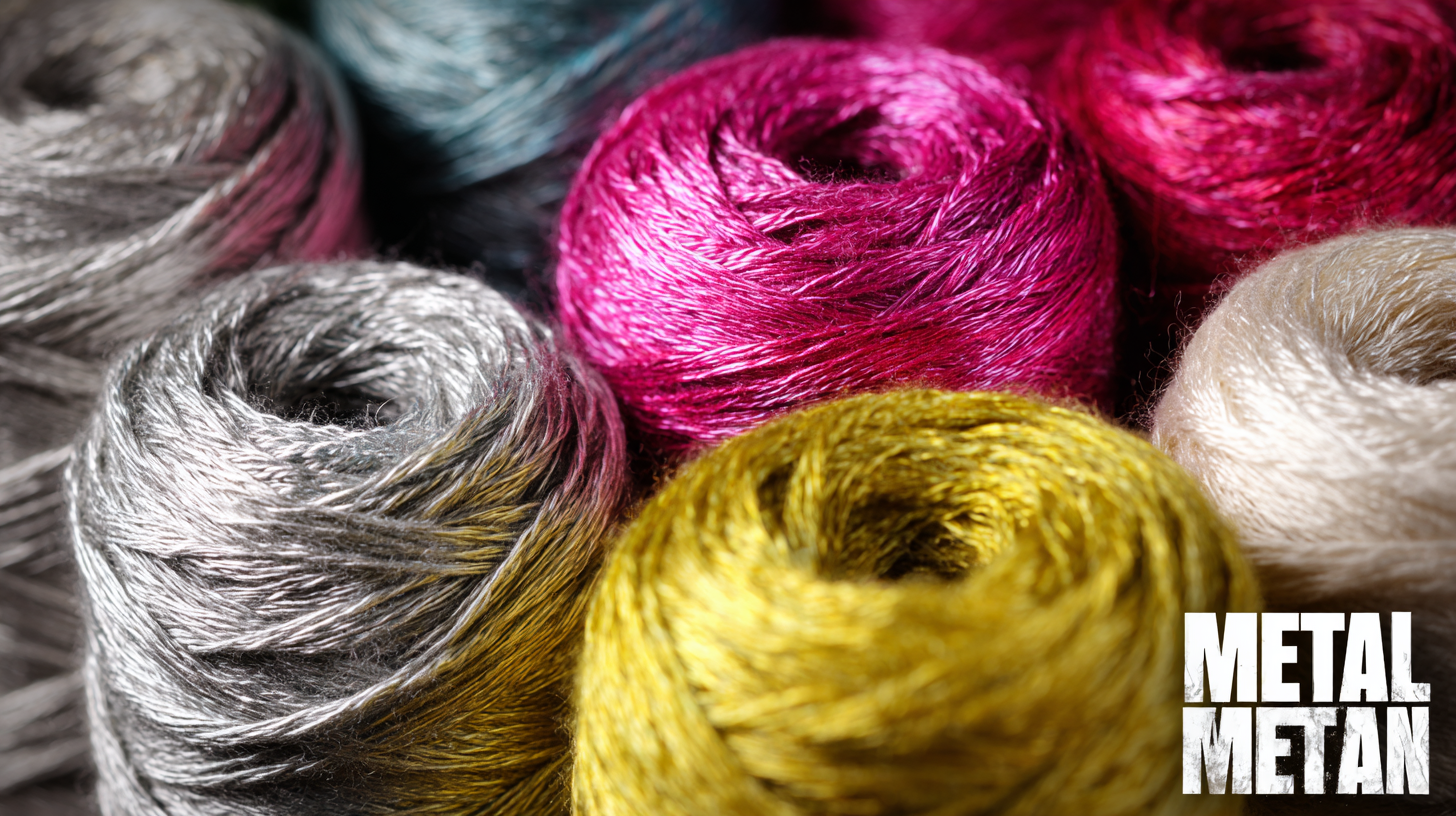
One good approach is to build solid relationships with a bunch of suppliers. This way, you can negotiate better prices and spark a bit of healthy competition. Plus, tapping into local suppliers can cut down on shipping fees and delivery times, which is so key in this fast-paced market. Some reports even show that businesses can save around 20% on operational costs just by sourcing locally. That’s a pretty big deal, particularly when you're dealing with materials like metal fibers that absolutely require top-notch quality.
Tip 1: You definitely want to keep doing regular market research to stay updated on price trends and supplier capabilities, so you can spot the best chances for saving some cash.
Tip 2: Don’t forget to use technology to make the sourcing process smoother. There are great platforms out there that connect you to a wide array of suppliers at competitive prices.
By following these strategies, companies can snag high-quality metal fiber mixed yarn at lower costs, which ultimately boosts profit margins and helps with long-term business sustainability.
Navigating Market Trends in Metal Fiber Mixed Yarn Sourcing
In today’s competitive world of metal fiber mixed yarn sourcing, it’s super important for businesses to keep up with the latest market trends if they want to succeed. With the demand for advanced materials booming, there’s been a wave of new tech, especially in areas like automotive and additive manufacturing. Take the market for continuous fiber-reinforced thermoplastics, for instance; it’s projected to jump from $103.74 million in 2024 to $146.75 million by 2032. Pretty incredible, right? Companies are now all about finding efficient production methods and incorporating metal fibers to boost the mechanical properties of their yarn products.
And let’s not forget about how everything is connected. Markets like conductive fibers and laser processing equipment are evolving too, showing just how intertwined these industries are. In fact, the conductive fiber market is expected to grow at a solid rate of 12.3% annually from 2024 to 2032, all thanks to the rise of wearable tech. So, as these sectors expand, businesses will really need to get savvy about sourcing the best metal fiber mixed yarn. It’s all about being aware of new tech and market dynamics to stay competitive and ready to move with emerging trends.
Exploring the Benefits and Applications of Porosity Titanium Fiber Sintered Felt in Modern Manufacturing
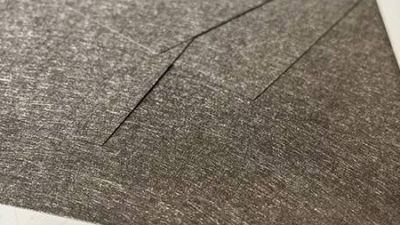
In today's fast-paced manufacturing landscape, the integration of innovative materials can significantly enhance product performance and efficiency. One such material is porosity titanium fiber sintered felt, which stands out for its advanced 3D multilayer structure featuring interlocked titanium fibers. This unique configuration provides tunable porosity ranging from 75% to 90%, enabling precise depth filtration capabilities down to 1–10 µm. The result is a highly effective filtration medium that meets the stringent requirements of various industries, ensuring optimal contaminant retention while minimizing pressure drops.
The exceptional properties of this porous titanium material go beyond filtration. With unmatched corrosion resistance against harsh environments—such as acidic, alkaline, and chloride-rich conditions—this sintered felt is ideal for applications in seawater desalination, biopharma processes, and aerospace fluid filtration. Its ability to withstand temperatures up to 400°C while maintaining structural integrity ensures reliability in extreme settings. Additionally, being 40% lighter than stainless steel, it offers substantial weight savings without compromising on performance, making it an excellent choice for fuel cell systems and other demanding applications.
Moreover, the biocompatibility and non-toxic nature of this titanium fiber sintered felt (certified under ISO 10993) further enhances its suitability for sterile applications. Its capacity to be easily welded into custom shapes allows manufacturers to tailor solutions to specific needs, ensuring a long service life in even the most challenging industrial and medical environments. As manufacturers seek to optimize their processes, the adoption of porosity titanium fiber sintered felt represents a significant advancement in material technology, unlocking new possibilities for innovation and efficiency.
FAQS
: Identifying reliable suppliers is crucial for success in a competitive market as it ensures access to high-quality materials, which affects the overall quality of the final product.
Effective strategies include conducting thorough research on suppliers' industry reputation, seeking client reviews, checking for certifications, and engaging in direct communication about their sourcing practices.
Trade shows allow businesses to meet suppliers face-to-face and assess product quality firsthand, facilitating better relationships and negotiations.
Staying informed about market trends is essential as it helps businesses adapt to rising demands for advanced materials and competitive production methods.
The market for continuous fiber-reinforced thermoplastics is projected to increase significantly from $103.74 million in 2024 to $146.75 million by 2032.
Innovative technologies in sectors like automotive are influencing the production methods and mechanical properties of metal fiber mixed yarn, driving demand for enhanced materials.
The conductive fiber market is anticipated to grow at a compound annual growth rate of 12.3% from 2024 to 2032, spurred by the rise in wearable electronics.
Transparency in supplier operations often indicates a commitment to quality and helps build trust with potential customers.
A robust supplier network can lead to better negotiation conditions, ultimately enabling businesses to secure high-quality materials while maintaining competitiveness.
Businesses should monitor related markets, such as conductive fibers and laser processing equipment, as their growth can influence metal fiber mixed yarn sourcing strategies.