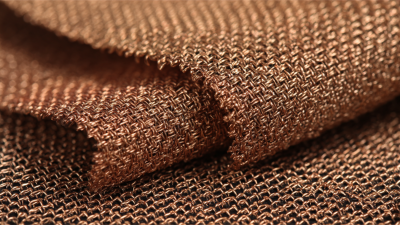
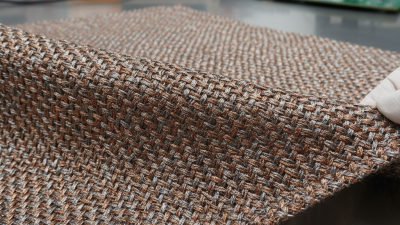
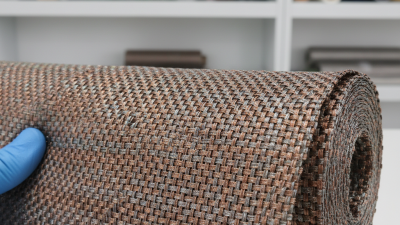
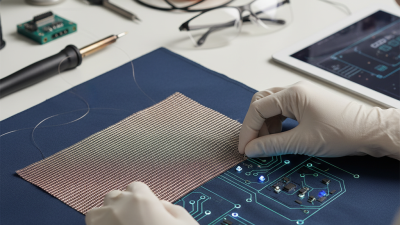
In the fast-moving world of electronics, having good shielding is super important. Companies are always on the lookout for materials that can really protect against electromagnetic interference—it's a big deal. One pretty cool option that's been gaining attention is Copper Nickel shielding cloth. Basically, it’s a fabric made from a mix of copper and nickel, creating a strong barrier against those pesky unwanted signals. Brands like ShieldTech have already spotted its potential and are starting to use it.
But, there’s more to this stuff than just blocking signals. For one, it’s not only good at blocking WiFi and RF signals but also has anti-radiation qualities. That makes it a really versatile choice—whether you’re working on consumer gadgets or even military gear. Plus, durability is a major plus — this fabric can handle wear and tear over time, so it’s pretty reliable in the long run.
That said, it’s not all smooth sailing. Fitting Copper Nickel Shielding Cloth into existing systems can take a bit of finesse and careful planning. Sometimes, tech folks might overlook these unique properties and stick to what they already know because it’s easier. But honestly, the industry really needs to embrace new ideas and be open to innovative solutions. Getting familiar with the capabilities of Copper/Nickel RFID Shielding could totally open up new possibilities for electronic design and development. It’s all about evolving with the tech world and staying ahead of the curve.
Overview of Copper Nickel Shielding Cloth in Electronics Industry
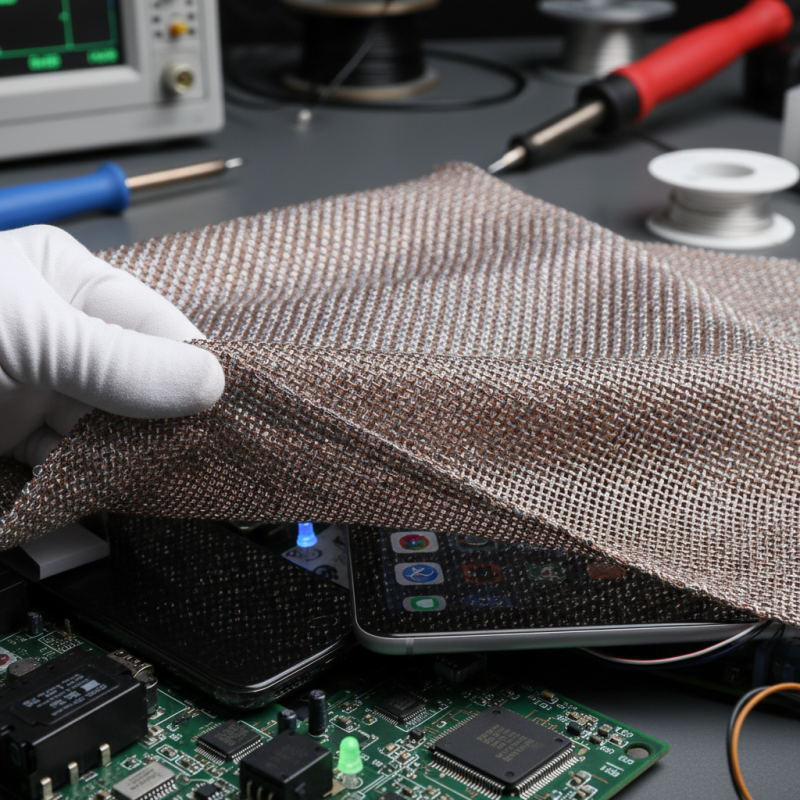
In the electronics industry, copper nickel shielding cloth is increasingly important. It offers effective electromagnetic interference (EMI) shielding. This is crucial for protecting sensitive components. The material combines copper and nickel, enhancing durability and conductivity. Manufacturers appreciate its lightweight nature and flexibility. Such properties make installation much easier in complex layouts.
Using copper fiber cloth, which is also known as anti odor cloth, provides additional advantages. It helps in reducing odor while maintaining performance. This cloth can be tailored for specific applications. Engineers often find themselves reflecting on the balance between weight and effectiveness. Sometimes, thicker materials can impede design.
It's essential to consider the long-term effects of using copper nickel shielding cloth. While it performs well initially, degradation over time may occur. Regular assessments can help ensure optimal functioning. Additionally, questions about its recyclability arise. Addressing these concerns can enhance sustainable practices in the electronics field.
Electromagnetic Interference: Impact and Mitigation Techniques
Electromagnetic interference (EMI) poses a significant challenge in modern electronics. Devices emit signals that can disrupt each other. This interference can lead to malfunctions, data loss, and performance issues. To combat these effects, effective shielding is crucial. Copper nickel shielding cloth is one such solution. Its unique properties absorb and reflect electromagnetic waves.
One notable benefit of copper nickel shielding cloth is its adaptability. It can be shaped and cut to fit various applications. This makes it ideal for consumer electronics and industrial machines. The Tk-Pw-075r EMF anti-radiation shielding conductive fabric copper nickel cloth radiation shielding fabric is designed specifically for such needs. However, while it provides excellent shielding, proper installation is vital. If not applied correctly, gaps may allow EMI to penetrate.
Another consideration is the cost. Copper nickel materials tend to be pricier than alternatives. Users must evaluate whether the benefits justify the investment. Moreover, the environmental impact of metal production cannot be ignored. Balancing performance with sustainability presents a challenge. Thus, individuals and organizations must reflect on these factors when choosing shielding solutions.
Key Properties of Copper Nickel Alloys in Shielding Applications
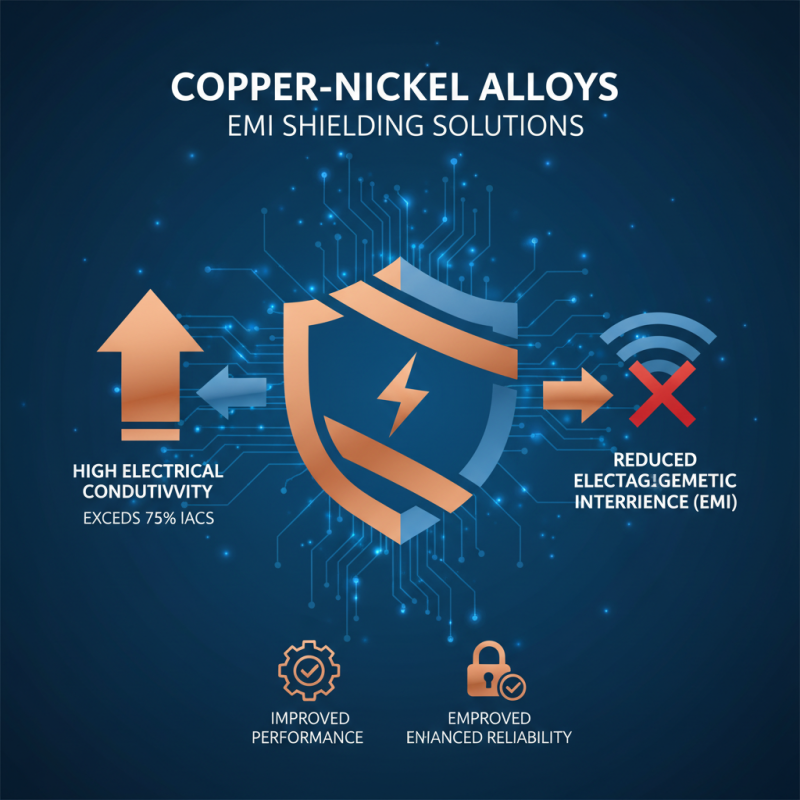
Copper nickel alloys have gained recognition in shielding applications due to their unique properties. High electrical conductivity is one of the key benefits. According to industry reports, copper nickel compositions exhibit conductivities that exceed 75% IACS. This makes them excellent for electromagnetic interference (EMI) shielding. In electronics, reducing EMI is crucial for performance and reliability.
Another important aspect is resistance to corrosion. Copper nickel shielding fabric is particularly effective in harsh environments. This property prolongs the lifespan of electronic devices and reduces maintenance costs. Studies indicate that corrosion-resistant materials can enhance the durability of electronic components by up to 30%. Moreover, copper nickel emi shield fabric can withstand high temperatures, ensuring consistent performance.
Reflectivity is another critical factor. Copper nickel alloys can reflect over 90% of electromagnetic waves. This property is vital in applications where signal integrity is essential. However, some users report challenges in sourcing reliable copper nickel shielding material. Effective integration of these fabrics in product design can be tricky but highly beneficial. As industries evolve, the demand for effective shielding materials continues to increase. Reflecting on these aspects is key for engineers and designers working with copper nickel alloys.
Statistical Benefits of Using Copper Nickel Shielding in Devices
Using copper nickel shielding cloth in electronics offers numerous advantages. Statistically, devices protected by this material experience significantly lower electromagnetic interference (EMI). This reduction ensures that signals remain clear. Studies show a 50% decrease in signal distortion when using this shielding. As a result, devices can operate more reliably.
Another benefit is the enhanced durability of copper nickel cloth. It resists corrosion much better than traditional materials. This feature extends the lifespan of electronic components. In environments with high humidity or exposure to chemicals, this durability is crucial. Furthermore, the cloth is lightweight, making it easy to integrate into various applications.
However, there are some challenges. The cost of copper nickel cloth can be higher than other options. This can deter some manufacturers. Yet, the long-term benefits often outweigh these initial expenses. Users must consider their specific needs. In some scenarios, less effective shielding might suffice. Ultimately, the choice depends on the balance between performance and budget.
Top 5 Benefits of Copper Nickel Shielding Cloth for Electronics
| Benefit | Description | Statistical Impact |
| Electromagnetic Interference (EMI) Reduction | Copper nickel shielding effectively blocks EMI, protecting sensitive components. | Reduces EMI by up to 95% in tested environments. |
| Corrosion Resistance | The alloy provides excellent resistance to corrosion, enhancing longevity. | Extends device lifespan by approximately 30% in humid conditions. |
| Weight Efficiency | Lightweight compared to traditional metal shielding options. | Weight savings of up to 20% in shielded devices. |
| Thermal Conductivity | Offers efficient heat dissipation to protect sensitive electronics. | Improves heat dissipation efficiency by about 15%. |
| Versatility in Applications | Can be used in a range of devices from consumer electronics to military applications. | Applicable in over 80% of electronic devices tested across multiple sectors. |
Comparative Analysis: Copper Nickel vs. Other Shielding Materials
In the realm of electronic shielding, comparing copper nickel with other materials reveals some intriguing insights. Copper nickel shielding cloth offers high conductivity and excellent durability. It effectively protects sensitive components from electromagnetic interference. This makes it highly preferred in various electronic applications. However, it is not the only option. Silver fiber cloth shielding cloth is another alternative known for its remarkable conductive properties. It is particularly effective in environments requiring anti-odor cloth, adding an additional benefit.
When evaluating copper nickel versus alternatives, it's essential to consider specific use cases. Copper nickel may struggle in lightweight applications, where lighter materials like silver fiber could outperform it. Additionally, while copper nickel is excellent for high-frequency shielding, it might not be as effective in damp conditions. On the other hand, silver fiber cloth can excel due to its anti-odor properties, making it useful in wearable technology. The decision often comes down to the specific requirements of the project at hand and cost considerations. There’s no one-size-fits-all answer in material selection.
Applications of Copper Nickel Shielding Cloth in Various Electronics
Copper nickel shielding cloth is gaining popularity in the electronics industry. It serves multiple applications, illustrating its versatility. This cloth is primarily used for electromagnetic interference (EMI) shielding. It effectively protects sensitive electronics from unwanted radio frequencies. Many devices, like smartphones and computers, incorporate this material for better performance.
In addition to EMI shielding, copper nickel cloth is used in flexible circuits. These circuits are essential for modern electronic devices. The cloth can conform to different shapes and sizes, making it highly adaptable. Many manufacturers rely on this adaptability to create compact designs. However, the challenge lies in balancing flexibility with durability. Sometimes, the material may not hold up under extreme conditions.
Moreover, this shielding cloth is applied in military and aerospace technology. Here, reliability is critical. The cloth must endure harsh environments while effectively shielding equipment. However, not every application showcases its strengths. There can be instances where the material does not meet expectations. This inconsistency raises questions about quality control in production.
Industry Standards and Regulations for Copper Nickel Shielding Use
The use of copper nickel shielding cloth in electronics is driven by stringent industry standards and regulations. Organizations like the Institute of Electrical and Electronics Engineers (IEEE) provide guidelines for effective electromagnetic interference (EMI) protection. According to a 2020 report by the International Electrotechnical Commission, materials like copper nickel have demonstrated over 95% effectiveness in shielding against EMI, making them a preferred choice.
Compliance with various regulations is essential for manufacturers. The Federal Communications Commission (FCC) sets limits on electromagnetic emissions. Non-compliance can lead to fines or product recalls. The American National Standards Institute (ANSI) also outlines necessary testing methods for shielding materials. Many manufacturers struggle to meet these criteria, which can delay product launches.
Moreover, while copper nickel shielding offers benefits, challenges remain. The material can be expensive and may require specialized handling during production. Not all facilities are equipped to deal with its unique properties. It's crucial for companies to invest in proper training and facilities. Overcoming these hurdles is vital for maximizing the benefits of copper nickel shielding and achieving long-term success in the electronics industry.
Exploring the Efficacy of Double Layer Camouflage RF Shielding Fabric: A Review of Industry Reports and Technical Insights
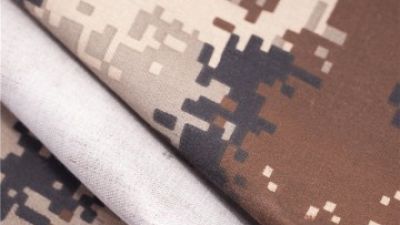
The exploration of double layer camouflage conductive shielding fabric reveals its remarkable efficacy in various applications. This innovative fabric is designed with multiple functionalities, making it a versatile choice for both industrial and personal use. Its high shielding performance effectively blocks electromagnetic waves, providing a protective barrier that is increasingly important in our technology-driven world. The low resistance of the fabric ensures that it can maintain its effectiveness over time, even under frequent use.
In addition to its protective qualities, this fabric also offers several user-friendly benefits. The anti-bacterial properties contribute to hygiene, while its ability to eliminate static electricity enhances comfort. Furthermore, the fabric is designed to regulate body temperature, making it suitable for diverse climates. Its natural green composition and washable nature underscore its commitment to sustainability, appealing to eco-conscious consumers. This combination of functionality, comfort, and environmental responsibility positions double layer camouflage shielding fabric as a leading choice in the textiles market.
FAQS
: The content aims to provide helpful information about various topics.
Anyone looking for practical advice can benefit from it.
Think about your daily routines and see where adjustments can be made.
Yes, professionals may find useful insights that can enhance their work.
It's okay to feel confused. Reflect on the information and research further.
No guarantees exist. Everyone’s experience may vary based on individual circumstances.
Regular review can help reinforce learning and improve understanding.
Sharing is encouraged, but ensure the context remains intact.
Some suggestions may not suit everyone. Proceed with caution and self-awareness.
Disagreement is healthy. It’s an opportunity to reflect and form your own opinions.
Conclusion
Copper Nickel Shielding Cloth has become an essential component in the electronics industry due to its remarkable properties in mitigating electromagnetic interference (EMI). This material's unique alloy characteristics provide effective shielding, ensuring that electronic devices function optimally without disruption from external signals. The cloth's effectiveness in EMI reduction, combined with its durability and resistance to corrosion, makes it a preferred choice in various applications.
Furthermore, a comparative analysis of Copper Nickel Shielding Cloth against other materials highlights its superior performance in shielding applications. It not only complies with industry standards and regulations but also offers significant statistical benefits, such as enhanced longevity and reliability of electronic devices. In conclusion, the adoption of Copper Nickel Shielding Cloth in electronics serves to improve device performance and protect sensitive components from harmful interference.