Hey there! These days, with technology moving so quickly, having the right materials that boost electronic performance is more important than ever. At SHIJIAZHUANG 3L TECHNOLOGY CO., LTD., we’ve been leading the way in making high-tech Textiles since 2009. Our specialty is turning cutting-edge textile materials into innovative solutions for industries around the globe. One of the coolest materials we work with is Copper Nickel EMI Shield Cloth. It’s pretty incredible because it offers top-notch electromagnetic interference shielding, which means your sensitive gadgets can run smoothly and reliably, even in tough environments. By using Copper Nickel EMI Shield Cloth, manufacturers not only keep their electronic parts safe but also boost the overall performance of their devices. In this article, I’ll share some practical tips on how you can incorporate this amazing material into your electronic projects — showing you just how much it can improve device reliability and functionality. Stay tuned—you’ll see just how transformative it can be!
Understanding the Basics of Copper Nickel EMI Shield Cloth
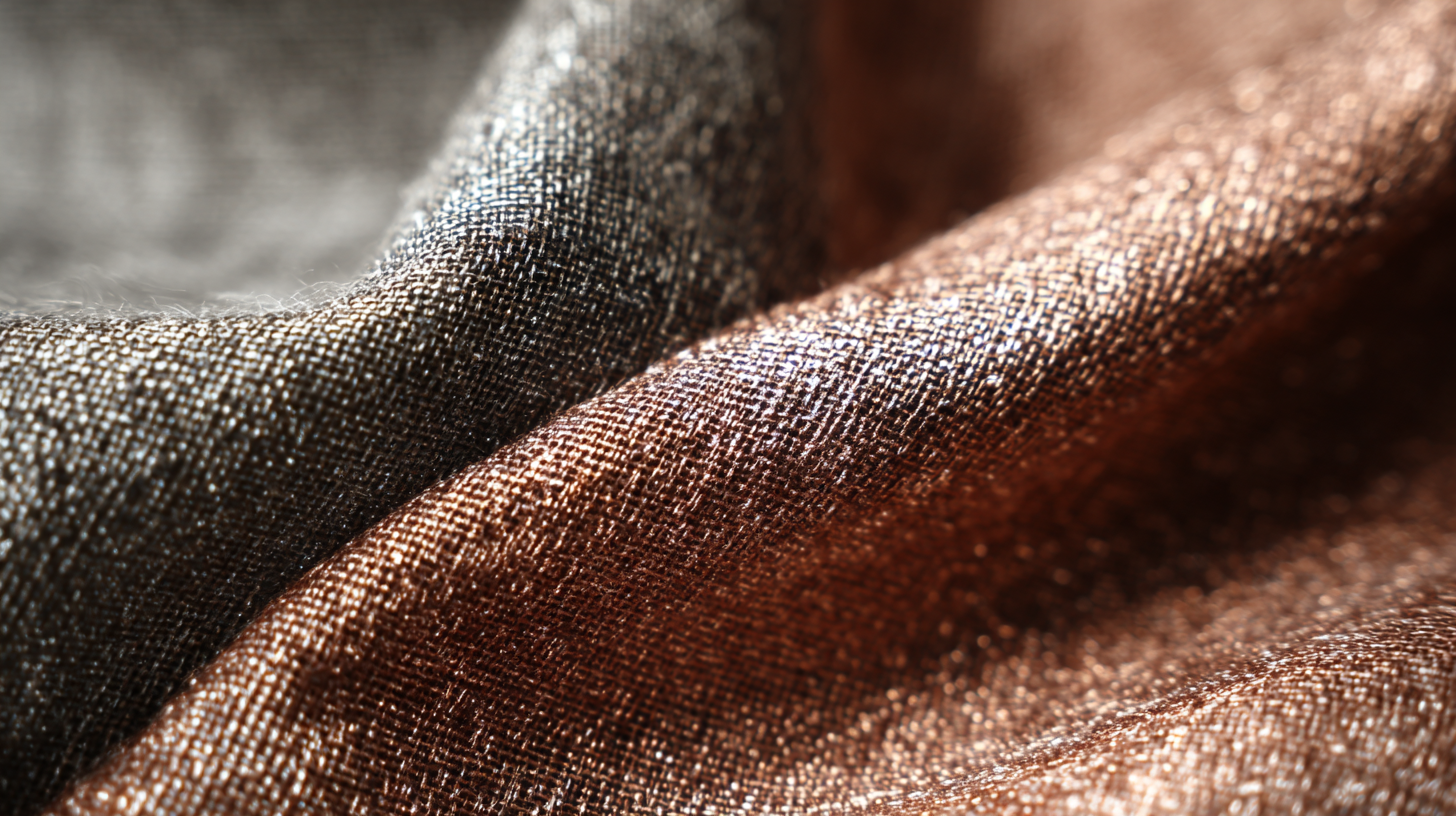
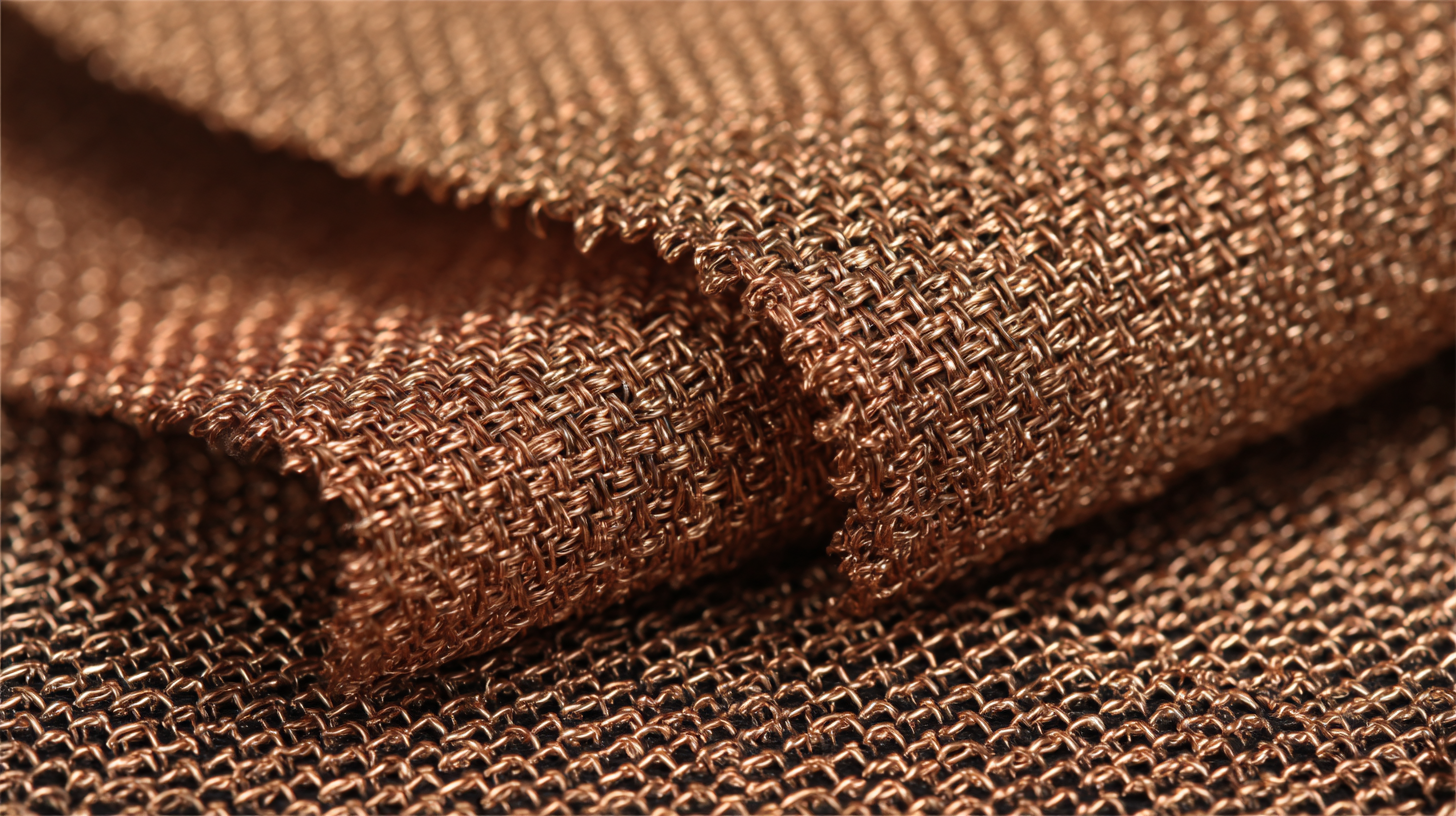
Copper-nickel EMI shield cloth is a pretty neat material that's designed to keep electromagnetic interference (EMI) in check across a bunch of different electronics projects. Made from a sturdy mix of copper and nickel, it offers some seriously impressive shielding, making it a go-to choice when you need to protect delicate electronic parts from annoying external signals. If you're into designing or engineering these systems, it’s really important to understand what it’s made of and how it works—that way, you can really optimize performance and make things more reliable.
So, basically, this copper-nickel cloth works by reflecting and absorbing those pesky electromagnetic waves, forming a protective layer around your devices. The combo of copper and nickel doesn’t just give it great electrical conductivity; it also makes it tougher and more resistant to rust and corrosion. That means it’s pretty versatile—it can handle both indoor setups and outdoor environments. When you get it right in your design—considering how thick it should be, where you place it, and how you ground it—it can really cut down on signal loss and boost overall system performance. Especially in high-frequency applications where EMI can seriously mess things up, this material’s a real lifesaver. Just a heads-up: using it effectively means paying close attention to these details to get the best shielding results for your particular setup.
Identifying Applications for Enhanced Electronics Performance
Copper-nickel EMI shield cloth is pretty much a handy material that can really boost how well your electronic devices perform. Its special qualities make it useful for all sorts of things, especially in places where electromagnetic interference (or EMI) is a problem. You’ll often find it used to shield delicate parts in medical gadgets, communication gear, or even military equipment—basically, where reliable function isn’t just nice to have, but crucial.
A few tips for using it: When you're adding copper-nickel EMI shield cloth into your designs, try to pick the right thickness for what you need. Going thicker generally gives better protection, but keep in mind, it can also make the shield stiffer and less flexible—which might not work so great for every device.
Also, don’t overlook the importance of proper installation. Make sure the cloth is making solid contact with your electronic components—gaps are a no-go because they can let EMI slip right through. Using conductive glue or stitching the shield in place usually does the trick and helps keep everything working smoothly. Paying attention to these little details can really make a difference in how long your gadgets last and how well they perform over time.
Installation Techniques for Copper Nickel EMI Shield Cloth
Installing Copper Nickel EMI Shield Cloth? First things first—make sure the surface you're working with is squeaky clean and free of any dust or grease. Trust me, this step's key to making sure the cloth sticks well and does its job effectively. Once that's sorted, cut the cloth to fit your specific area. Don't forget to leave a little extra edge or overlap if needed—it can come in handy later on. Use a sharp pair of scissors, 'cause clean edges help prevent fraying and make the application look neater. The trick is to spread the cloth evenly so there aren’t any gaps—those tiny spaces can let electromagnetic interference sneak through, and no one wants that.
Now, about attaching it—some folks prefer using glue, but if you're dealing with vibrations or movement, mechanical fasteners might be a safer bet because they’re more durable. If you go the adhesive route, a thin layer of a conductive glue on your surface before placing down the cloth is your best bet. Press it down evenly to make sure it sticks firmly—that way, the shield works its magic without any hiccups. Oh, and if your project might face humidity or temperature swings, mixing both mechanical fastening and adhesive techniques could be the smart move. It just gives you that extra peace of mind, making sure everything stays in place and keeps your electronics safe in the long run.
Measuring Effectiveness of EMI Shielding Solutions
Electromagnetic interference, or EMI for short, is a pretty big deal in the electronics world. It can really mess with how devices perform and mess up communication channels. To figure out how good a shielding solution is, experts use different standards and measurement methods. For example, according to a report from the Electromagnetic Compatibility (EMC) Society, they usually measure shielding effectiveness in decibels, or dB. If a shield can block signals with an effectiveness of over 80 dB, that’s considered pretty good. This level of protection is especially important for sensitive stuff like medical gadgets, telecom gear, or aerospace tech.
Now, a copper nickel EMI shield cloth is looking pretty promising as a go-to fix for better electronic performance. A study by the IEEE showed that combining copper and nickel can block up to 90% of interference across a wide range of frequencies — way better than some old-school shielding options. Plus, this cloth isn't just effective; it’s also durable and flexible, which means it can be used in all sorts of device designs without messing things up. As industries keep pushing forward, adopting advanced shielding materials like copper nickel cloth is becoming more and more important if we want our electronic systems to stay reliable and work smoothly.
How to Effectively Utilize Copper Nickel EMI Shield Cloth to Enhance Electronics Performance - Measuring Effectiveness of EMI Shielding Solutions
| Test Parameter | Copper Nickel EMI Shield Cloth | Alternative Material 1 | Alternative Material 2 |
| Shielding Effectiveness (dB) | 85 | 75 | 80 |
| Weight (g/m2) | 220 | 200 | 210 |
| Flexibility (°) | 180 | 150 | 160 |
| Temperature Resistance (°C) | 130 | 120 | 125 |
| Cost ($/m2) | 15 | 12 | 14 |
Maintenance and Care for Long-Lasting Shielding Performance
If you want your copper-nickel EMI shield cloth to stay effective and last a good long time, taking proper care of it is key. First off, make a habit of giving it regular inspections — just peek at it now and then to look for any signs of wear, tears, or corrosion. Also, keep in mind that things like humidity and temperature can really affect how well it works, so try to store it somewhere nice and controlled — away from direct sunlight and any extreme weather conditions.
Cleaning it up is just as important. When it’s time to give it a tidy-up, grab a soft, lint-free cloth and dampen it slightly with a mild soap or detergent solution. Be gentle though — avoid harsh chemicals, as they might mess with the material. After wiping it down, make sure it’s totally dry before storing or using it again. And if you keep dust and other contaminants off the surface, that’ll help keep its conductivity high and ensure your electronic stuff keeps working smoothly. Basically, a little bit of regular care can go a long way with this stuff!
Effectiveness of Copper Nickel EMI Shield Cloth in Electronics
Comparative Analysis with Other EMI Shielding Materials
Copper-nickel EMI shield cloth is really starting to turn heads when it comes to boosting electronic performance. I mean, compared to old-school materials like aluminum or plain copper foil, this copper-nickel mix actually offers better conductivity and resists corrosion much more effectively. That makes it a pretty solid pick for all sorts of applications. The way these metals work together helps block out electromagnetic interference more efficiently, so your sensitive gadgets can run smoothly without a hitch.
Plus, unlike some single-metal options, this EMI cloth stays flexible and lightweight, which is a huge plus when you're trying to fit everything into tight or complex designs. And it’s been tested in all kinds of tougher environments, showing it can handle the harsh stuff way better than the alternatives. At the end of the day, choosing the right EMI shield can really make or break the performance and longevity of your devices, and honestly, copper-nickel really stands out as a top contender in all this.

Exploring the Market Potential of Anti-Bacterial Copper Conductive Fiber Yarn: Insights from Recent Industry Studies and Data Trends
The exploration of the market potential for anti-bacterial copper conductive fiber yarn reveals a significant opportunity for various industries looking to innovate their textile solutions. The unique composition of these Yarns—with a nylon substrate core and a copper alloy skin—ensures that they combine the essential properties of flexibility and conductivity with excellent antibacterial characteristics. The advanced manufacturing techniques, including multi-rake magnetron vacuum sputtering and oxidation-resistant finishing, allow for a durable fiber that not only withstands repeated washing but also maintains its superior performance over time.
As industries increasingly prioritize hygiene and functionality, the demand for textiles that offer both conductivity and antibacterial properties is on the rise. Copper conductive fibers stand out as a leading solution, ideal for applications ranging from personal protective equipment to smart textiles and high-performance apparel. Their ability to provide flexible shielding and super Antistatic features makes them particularly appealing for electronic textiles, where safety and reliability are paramount. By harnessing the benefits of copper conductive fiber yarn, industries can meet evolving consumer expectations while adhering to health and safety regulations.
FAQS
: EMI is a critical issue in the electronics industry that negatively impacts device performance and communication integrity.
EMI shielding effectiveness is typically quantified in decibels (dB), with solutions achieving upwards of 80 dB considered highly effective.
Copper nickel EMI shield cloth provides up to 90% attenuation across a broad frequency spectrum and enhances durability and flexibility for various device formations.
It offers superior conductivity and corrosion resistance compared to aluminum and copper foil, leading to better attenuation of EMI.
Applications in medical devices, telecommunications, and aerospace require high levels of attenuation to ensure reliable performance.
Its flexibility allows for easier integration into compact and intricate electronic designs without compromising performance.
Studies have shown that copper nickel EMI cloth demonstrates resilience against harsh conditions better than traditional shielding alternatives.
The choice of EMI shielding material significantly impacts both the performance and durability of electronic devices, with copper nickel emerging as a strong option.
A level of 80 dB or higher indicates a shielding solution is highly effective at reducing electromagnetic interference.
Adopting advanced EMI shielding solutions like copper nickel cloth is essential for ensuring the reliability and efficiency of electronic systems in rapidly evolving industries.
Conclusion
You know, in the fast-changing world of electronics, using Copper Nickel EMI Shield Cloth really feels like a game-changer for boosting performance. It’s not just about blocking electromagnetic interference—this stuff actually has a bunch of different uses across different industries. But here’s the thing: to get the most out of it, you’ve gotta understand the right installation techniques. And honestly, measuring how effective these shields are can make a big difference in how your electronics perform overall.
Since 2009, SHIJIAZHUANG 3L TECHNOLOGY CO., LTD. has been right there at the helm, creating top-notch technical textiles. We take pride in turning innovative materials like Copper Nickel EMI Shield Cloth into game-changing solutions that meet industry needs worldwide. If you treat our products right and compare them carefully with other shielding options, we’re confident you'll enjoy long-lasting, high-quality results. Basically, we’re all about making sure you get the best performance out of your gear.