Leave Your Message
0%

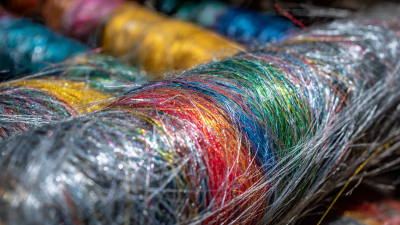
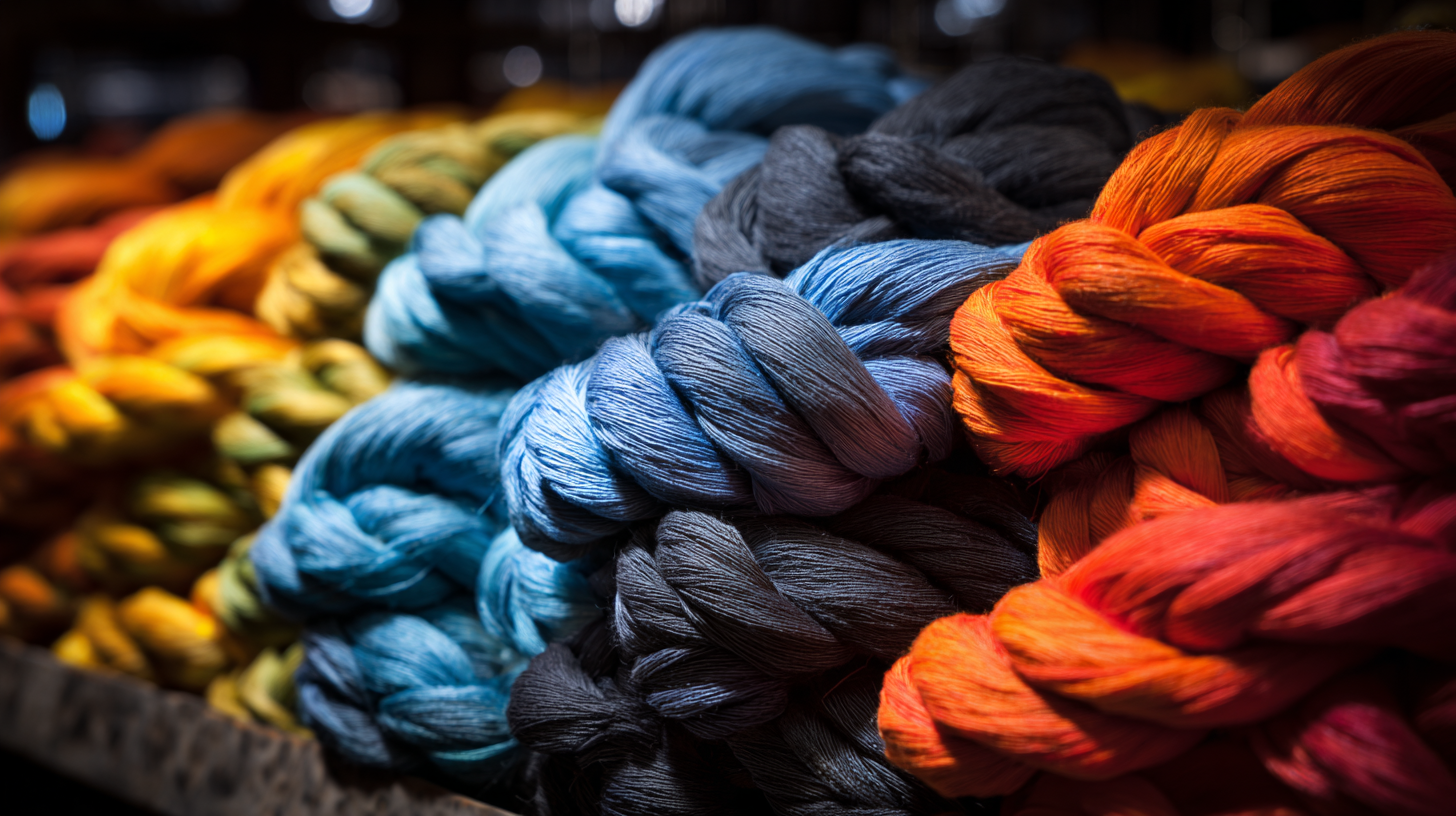
You know, in today’s fast-changing world of Textiles,safety standards around Fire Prevention are more important than ever—especially when it comes to high-performance materials. At SHIJIAZHUANG 3L TECHNOLOGY CO., LTD., we’ve been pushing the boundaries of advanced technical textiles since 2009. We’re constantly innovating to come up with solutions that really boost safety and reliability across a whole bunch of industries. One key player in making sure things stay safe is Flame Retardant Yarn. This special kind of yarn not only makes Fabrics more resistant to fire, but it also gives everyone—manufacturers and consumers alike—more peace of mind by drastically lowering fire risks. As we talk about whyFlame Retardant Yarn is so crucial, we’ll take a look at how it’s used, what benefits it offers, and how it fits into our mission to deliver top-notch high-performance tech textiles worldwide.
The Importance of Flame Retardant Yarn in Enhancing Fire Safety Standards in Textiles

The Role of Flame Retardant Yarn in Modern Textile Manufacturing

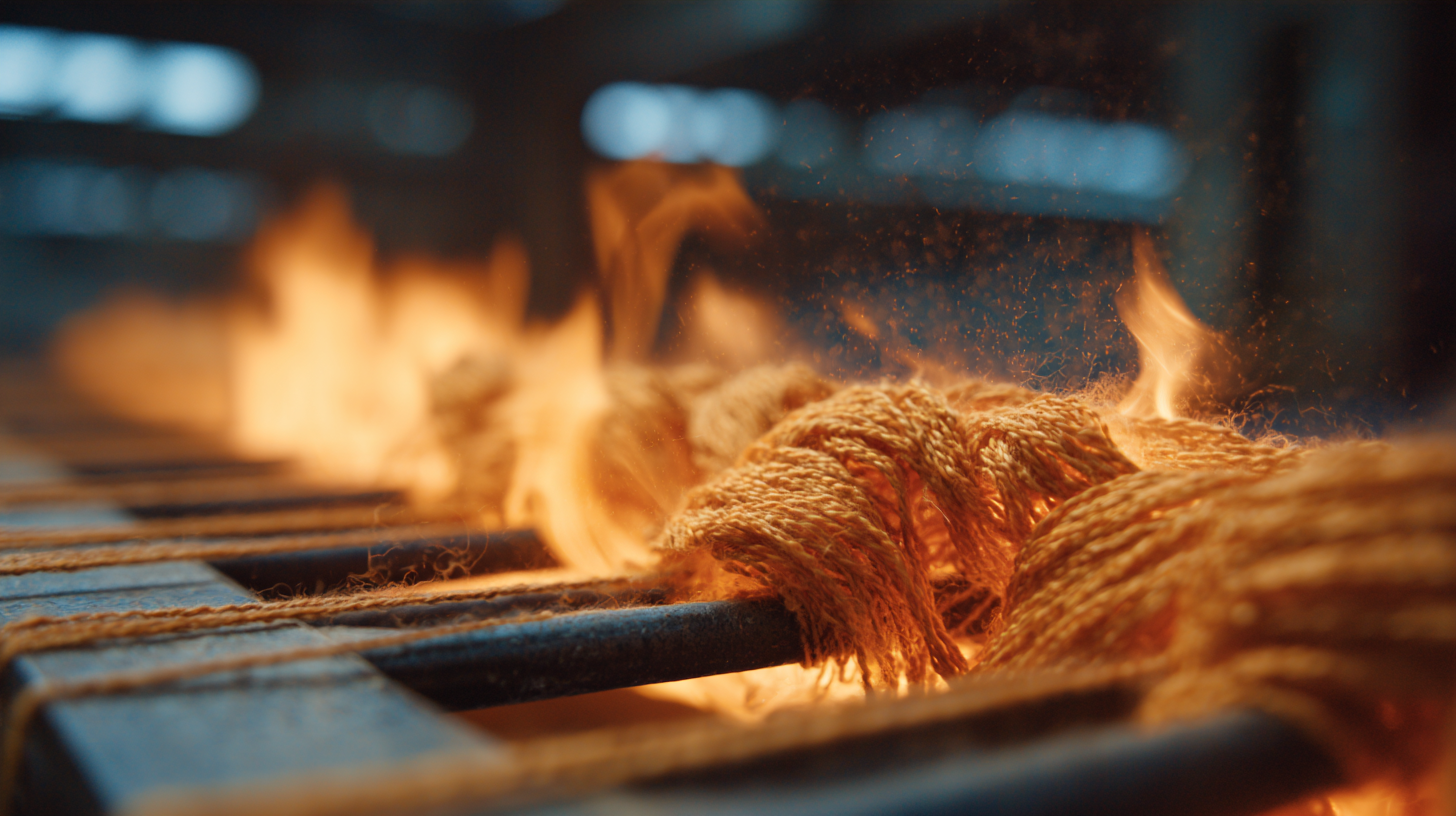
In today's world of textile manufacturing, using flame-retardant yarn has really become a must when it comes to keeping safety standards up. These special fibers are designed to resist catching fire and slow down how quickly flames spread, which makes them super important for both everyday consumer fabrics and industrial textiles. As regulations around fire safety keep getting stricter, choosing flame-retardant yarn isn’t just about ticking boxes anymore — it’s also about giving manufacturers and consumers peace of mind.

When you’re picking out flame-retardant yarn, think about what exactly your project needs. Some fabrics do really well with fibers that are naturally resistant to flames, while others might require special treatments. And don’t forget to look for certifications — those proof points that show the yarn complies with fire safety standards. Skipping this step can really affect how effective the material actually is.

Plus, if you include flame-retardant materials right from the design stage, you can create products that are not just innovative but also safer. Working closely with fabric makers who focus on fire-resistant solutions can really help in developing textiles that go beyond just meeting safety rules—they actually raise the bar. Being proactive like this not only keeps end-users protected but also boosts your brand’s reputation for quality and safety.

The Importance of Flame Retardant Yarn in Enhancing Fire Safety Standards in Textiles

Dimension Description Importance Examples of Applications
Flame Retardant Properties Materials treated to delay ignition and flame spread. Enhances safety in various environments. Workwear, upholstered furniture, curtains.
Regulatory Standards Guidelines set for fire safety in textiles. Compliance ensures consumer safety and market access. ISO, ASTM, and NFPA standards.
Durability Resistance to wear and multiple washes. Ensures longevity and effectiveness over time. Military uniforms, sportswear.
Environmental Impact Effects of production and usage on ecosystems. Encourages the development of sustainable options. Biodegradable flame retardants.
Market Growth Trends in demand for fire-resistant textiles. Increases innovation and investment in R&D. Home textiles, industrial applications.

Key Benefits of Using Flame Retardant Yarn in Various Applications

You know, flame retardant yarn has really become a must-have when it comes to boosting fire safety across different industries. I read somewhere that, according to the National Fire Protection Association (NFPA), textiles are responsible for about a quarter of home fire fatalities—that’s pretty alarming. That’s why adding flame-retardant yarn to upholstery, curtains, and workwear is such a smart move; it can really help cut down those risks. These fibers are designed to resist ignition and slow down fires, which not only makes products safer but also helps companies stay compliant with safety regulations.

The Importance of Flame Retardant Yarn in Enhancing Fire Safety Standards in Textiles

And when we look at industrial uses, the advantages are clear as day. There’s this report from the International Journal of Clothing Science and Technology that states using flame-retardant fabrics can cut injury risks in hazardous workplaces by up to 60%. Plus, these yarns aren’t just about safety; they actually boost the durability and performance of the products—they hold up well against high temperatures and tough conditions. Because of that, industries like construction, manufacturing, and firefighting are really leaning on these specialized materials. It’s pretty amazing how much of a difference flame-retardant yarn is making in keeping workers and consumers safer today.

Comparative Analysis of Flame Retardant Fibers vs. Traditional Fabrics

You know, flame retardant fibers have really become a game-changer in the textile world. They offer much better fire safety compared to your regular fabrics. I mean, most traditional textiles—think cotton and wool—are pretty flammable and can catch fire pretty easily. That’s a huge risk, especially in places like offices, hotels, or public transportation. But these special flame retardant fibers? They’re engineered to resist catching fire and even slow down flames if they do ignite. That makes a big difference in reducing fire-related accidents, injuries, and even fatalities.

When you compare the two, it’s kinda interesting. Treating regular fabrics with flame retardant chemicals is an option, but over time, those treatments tend to wear off, and the fabric doesn’t stay as flame-resistant as it initially was. The cool thing about flame retardant fibers is that their fire-resistant properties are built right into the fibers themselves. That means they stay effective longer without losing their shape or strength. Because of that, these textiles are super reliable for stuff like protective clothing, upholstery, and other areas where safety is a big deal. As people become more aware of fire hazards, I think we’ll see even more folks opting for flame retardant yarns, which should push the industry to keep improving safety standards and coming up with new innovations.

The Importance of Flame Retardant Yarn in Enhancing Fire Safety Standards in Textiles

Regulatory Standards Impacting Flame Retardant Textile Innovations

You know, the textile world has really evolved a lot when it comes to flame retardant tech, thanks to stricter safety rules popping up everywhere. These rules are all about making sure our clothes, furniture, and industrial fabrics are safer from fire hazards. As governments and organizations crack down and tighten those safety standards, manufacturers are kind of forced to step up their game—coming up with new materials that not only meet but often even beat those benchmarks. It’s pretty exciting, honestly, because it means safer stuff for all of us, and on top of that, it pushes designers and makers to get a little more creative with how they build and use textiles.


If you're a manufacturer wanting to stay on top of these regulations, a good starting point is keeping an eye on updates from groups like the NFPA and ASTM—they set some of the key standards in the industry. Training your team regularly and making sure everyone understands the proper use of flame retardant yarns is also a smart move. Plus, working together with chemical suppliers who specialize in flame retardants can give you the inside scoop on the latest innovations and best practices.


For businesses, highlighting fire safety in your marketing can really strike a chord with customers. Taking the time to educate folks on how flame retardant fabrics keep them safer builds trust and shows you care about their well-being. And if you can also incorporate eco-friendly practices into your flame retardant tech, that’s a win-win—meeting those tough regulations AND satisfying customers who care about the planet. It’s all about making safety a priority, but doing it in a way that feels genuine and responsible.

Future Trends in Flame Retardant Yarn Development and Applications

You know, the world of flame-retardant yarns is changing pretty quickly right now. With everyone paying more attention to fire safety standards and the need for innovative solutions across different industries, things are moving fast. Looking ahead, it’s not just about making these yarns more effective; there's also a real push to make them more environmentally friendly. Thanks to advances in chemistry, scientists are now developing more sustainable flame-retardant treatments that use fewer hazardous substances—but still keep performance high. That’s a big win, not only because of tightening regulations but also because consumers are increasingly wanting safer, eco-friendly textiles that they can trust.

And here’s something else exciting—technology is really being woven into the process. The integration of stuff like nanotechnology and smart textiles is opening up some amazing possibilities, like fabrics that can do more than just resist flames. Imagine materials that can heal themselves or regulate temperature—that’s the kind of multi-functional flame-retardant fabrics we’re talking about. It’s all part of a bigger trend, where textiles are becoming more responsive to their environment, which naturally boosts safety. As industries from fashion to construction keep putting a higher priority on safety and sustainability, flame-retardant yarns are definitely going to be a big part of shaping the future of textiles, for sure.

FAQS

: What is flame retardant yarn and why is it important in modern textile manufacturing?

: Flame retardant yarn is a specialized fiber engineered to resist ignition and slow the spread of flames. Its importance lies in enhancing safety standards in various textiles, helping manufacturers comply with fire safety regulations and providing peace of mind to consumers.

How do I choose the right flame retardant yarn for my application?

When selecting flame retardant yarn, consider the specific needs of your application, such as whether inherently flame-resistant fibers or treated options are more suitable. It's also vital to check for certifications that demonstrate compliance with fire safety standards.

What are the key benefits of using flame retardant yarn in consumer and industrial textiles?

The key benefits include enhanced safety, compliance with regulations, reduced likelihood of injuries in hazardous environments (by up to 60%), improved product durability, and better performance in high temperatures and harsh conditions.

How does the use of flame retardant yarn affect fire safety in homes?

Textiles are a significant contributor to home fire fatalities, and integrating flame retardant yarn in fabrics like upholstery and draperies can significantly mitigate fire risks, ultimately improving fire safety in residential settings.

What future trends are expected in the development of flame retardant yarn?

Future trends include the creation of sustainable flame retardant treatments that reduce hazardous substances, advancements in nanotechnology and smart textiles, and the development of multi-functional fabrics with features like self-healing properties or temperature regulation.

How can collaborating with fabric manufacturers enhance fire safety in textiles?

Collaborating with manufacturers specializing in fire-resistant solutions can lead to the development of innovative textiles that not only meet but exceed safety expectations, thereby better protecting end-users and enhancing brand reputation.

What impact does flame retardant yarn have on industries such as construction and firefighting?

Flame retardant yarn is crucial in these sectors as it provides essential protection for workers, helping to minimize injuries in hazardous environments and meeting increasing safety regulations.

Why is there a growing demand for eco-friendly flame retardant textiles?

There is a growing demand due to regulatory pressures and consumer preference for safer, eco-friendly products. Sustainable flame retardant treatments are being developed to meet this need while maintaining high-performance standards.

In what ways do flame retardant materials contribute to innovation in textile design?

By incorporating flame retardant materials during the design phase, manufacturers can create safer, more innovative products that effectively address fire safety challenges and enhance overall product performance.

Conclusion

You know, Flame Retardant Yarn really plays a big role when it comes to boosting fire safety standards in various parts of the textile world. As newer, cooler ways of making textiles come in, using flame retardant yarn isn’t just about ticking boxes for regulations — it’s also about offering solid benefits like lowering fire risks, making things more durable, and performing better even in really hot conditions. When you compare, it’s pretty clear that flame retardant fibers blow traditional fabrics out of the water in safety and reliability, which is why they’re so important for things like protective gear, furniture upholstery, and industrial textiles.

And honestly, the push to develop better flame retardant yarns keeps growing, thanks to tougher safety rules and the rising demand for more advanced textile solutions. Looking ahead, it’s exciting to see how innovations in this area are going to expand — especially with companies like SHIJIAZHUANG 3L TECHNOLOGY CO., LTD. leading the charge in cutting-edge textile manufacturing. Their passion for turning high-performance materials into game-changing solutions really highlights just how vital flame retardant yarns are in making textiles safer worldwide and improving overall quality. It’s a pretty fascinating and important field, don’t you think?

Ethan

Ethan

Ethan is a dedicated marketing professional at SHIJIAZHUANG 3L TECHNOLOGY CO., LTD., a forefront leader in advanced technical textiles manufacturing since 2009. With a profound expertise in the company's innovative product offerings, Ethan plays a vital role in communicating the transformative......
Previous Exploring the Versatility of Silver Coated Fabric for Global Industries