- Home
- Products
- News
- Application
- Solution
- About Us
- Contact Us
Leave Your Message
You know, in the fast-paced world of advanced materials, Pbo Steel Rope is really shaking things up across various industries. It's got this amazing strength-to-weight ratio and crazy good thermal resistance, which is pretty cool. Recently, some reports from the Global Advanced Materials Market Research pointed out that there's going to be a big jump in the demand for high-performance Textiles, especially in fields like aerospace, construction, and renewable energy. Now, SHIJIAZHUANG 3L TECHNOLOGY CO., LTD. has been a key player in the technical textiles game since 2009, and they’re really leading the charge in this revolution. They’re turning high-performance Tech-textile materials into cutting-edge solutions. Honestly, our know-how in Pbo Steel Rope not only boosts efficiency but also keeps things safe and durable even when the going gets tough. So, in this guide, we’re going to dive into everything you need to know about the benefits, uses, and how to choose Pbo Steel Rope. It’s going to be a handy resource for anyone out there wanting to make smart choices in their industries.

So, let's talk about PBO steel rope for a sec. It's mainly made from polybenzoxazole (PBO) fibers, and honestly, it’s pretty amazing what it brings to the table in Manufacturing and construction. The coolest thing about it is its incredible strength-to-weight ratio. This means you can have super lightweight ropes that still manage to handle really heavy loads. That’s why folks in fields like aerospace and marine operations love using PBO steel ropes, especially for heavy lifting. Plus, they’re tough against wear and tear, so you know they’ll stick around even in some pretty rough conditions.
But wait, there’s more! PBO steel rope also shines when it comes to thermal stability. It can take on some serious heat without breaking down, which is a big deal if you’re working in places like forging or construction where things can get pretty hot. This quality really helps avoid heat-related issues, which is such a relief! And let’s not forget about its resistance to chemical corrosion—it's a lifesaver in industries where equipment might come into contact with nasty substances that could wear it down. All in all, when you combine strength, durability, and resistance to temperature, it really makes PBO steel rope a go-to choice for anyone looking for dependable solutions in the industrial world.

You know, Pbo steel rope has really become a game changer in a bunch of different industries, and it’s pretty much thanks to its incredible strength and how well it handles heat. When it comes to construction and engineering, you'll find Pbo steel ropes used all over the place, especially for heavy lifting and rigging. I mean, their knack for standing up to high temperatures really sets them apart—traditional materials would just give up! That’s why folks love using them for stuff like cranes and elevated work platforms; they really help boost safety and efficiency on those job sites.
Now, in the world of telecommunications, Pbo steel ropes are absolutely essential for propping up those heavy transmission lines and cable systems. They’re light, but boy, are they tough! That makes installations a breeze and it keeps the load lighter on towers and poles. Plus, they’re built to weather pretty much anything, so they stick around for a long time—definitely a smart choice for companies looking to make their infrastructure more dependable. Seriously, swapping in Pbo steel ropes not only amps up performance but also helps these industries keep safety at the forefront of what they do.
Alright, so when you're looking to buy PBO steel rope, one of the first things you'll want to check out is the quality. Trust me, it's really key to making sure it performs well no matter what you're using it for. A big factor to keep an eye on is thermal stability—this is where thermal gravimetric analysis (TGA) comes into play. Recent studies have shown that PBO really shines in this area, keeping more than 90% of its mass even when the temperature shoots past 400°C. That's pretty impressive and means it can handle those high-heat environments where lots of other materials just can’t cut it.
On top of that, the tensile strength of PBO steel rope has been widely studied, and the numbers are nothing short of remarkable. Industry reports suggest that pbo fibers can hit tensile strengths of up to 3000 MPa! That’s a huge upgrade compared to traditional materials like steel. So if you're in the market for something durable and reliable, especially for tough jobs in aerospace or industrial settings, PBO is definitely worth considering.
And don't forget, looking into how the PBO is made and where it comes from gives you valuable insights into its overall quality. Reputable suppliers will usually share certifications and detailed reports about material properties, which means you can rest easy knowing they meet industry standards. All of this info helps you make smart choices, so you can feel confident that your PBO steel rope will last in the long run.
Alright, let’s dive into the world of PBO steel rope and how it stacks up against other steel rope materials. So, when you’re weighing your options, it’s important to think about how each type performs and where it can be best used. PBO, which stands for Polybenzoxazole, really catches the eye with its incredible strength-to-weight ratio. It’s pretty impressive—according to a report from MarketsandMarkets, PBO fibers boast tensile strengths that are about 20% greater than those of high-tensile steel ropes. That makes them fantastic for tough jobs in aerospace and marine settings.
But wait, there's more! PBO steel ropes also have this amazing thermal stability, handling heat up to over 600°C without breaking a sweat. That totally leaves nylon and polyester in the dust, since those materials can wear out when the temperatures climb too high. And here's something cool: a study published in the Journal of Materials Science found that PBO ropes can handle over 10,000 load cycles without showing much wear. In contrast, your typical steel ropes usually start to wear out around 7,500 cycles. So, not only do PBO ropes add a layer of safety for heavy-duty tasks, but they also save you some cash in maintenance over time.
Plus, PBO steel ropes are tough against environmental challenges like moisture and corrosive elements. A report in the International Journal of Structural Engineering revealed that PBO ropes kept their integrity even when exposed to saline solutions, while standard steel wires quickly showed signs of rust and weakened tensile strength within just a few months. So, when you’re working in high-humidity or salty conditions, PBO steel ropes really shine as a solid alternative to regular steel ropes. They’ve earned a pretty solid reputation for being reliable in challenging environments.
So, when you’re looking to buy PBO steel rope, it’s super important to really understand who the top manufacturers and suppliers are, especially if you’re coming from a global perspective. You know, PBO, or polybenzoxazole, is a pretty impressive material. It’s known for being both incredibly strong and lightweight, which makes it a great fit for tough jobs in places like aerospace, construction, and even maritime sectors. That’s why it’s smart to find manufacturers that don’t just focus on quality but are also a bit innovative. You want to be sure you’re getting the best of the best!
There are several manufacturers out there that have built a solid reputation in the PBO steel rope market. Often, the ones that stand out are those who invest in advanced manufacturing methods and have strict quality controls in place. Plus, you’ve got some notable suppliers who offer a wide variety of PBO products to meet different industry demands. A lot of them are also taking the leap toward sustainability, using eco-friendly practices in their production. By teaming up with these trusted suppliers, you’re not just getting top-notch materials; you’re also supporting good-manufacturing practices that really matter in today’s world.
Another thing to think about is geographical diversity among suppliers. With top manufacturers spread out over different regions, it’s super beneficial to connect with local suppliers who know their market well and can still tap into those global innovations. This way, you’re not only making your supply chain more efficient, but you’re also building stronger business relationships based on trust and reliability. And honestly, that’s what it’s all about, right?
| Manufacturer/Supplier | Country | Annual Production (tons) | Specialties | Contact Information |
|---|---|---|---|---|
| Steel Rope Co. | USA | 500 | High Strength, Corrosion Resistant | info@steelropeco.com |
| Global Ropes Ltd. | UK | 300 | Lightweight, High Flexibility | contact@globalropes.co.uk |
| Pbo Industries | China | 800 | Heat Resistant, Durable | sales@pboindustries.cn |
| Rope Masters | Germany | 450 | Shocking Resistance, Lightweight | info@ropemasters.de |
| Titan Ropes | Japan | 600 | UV Resistant, High Strength | contact@titanropes.jp |
Hey there! So, if you haven't heard about PBO steel ropes yet, they’re basically the heavyweights in the world of industrial gear. Seriously, they’re incredibly strong and built to last, which is why so many industries swear by them. But to keep these ropes working their magic, it’s super important to give them a bit of TLC. You know, regular check-ups to spot any wear and tear, fraying, or even rust. Using the right tools is key here—nobody wants to discover a problem too late, right?
Another thing to keep in mind is how you store these ropes when they’re not in action. It’s best to stash them in a cool, dry spot, away from harsh sunlight and extreme temperatures that can really mess with the materials. Oh, and while you’re at it, make sure they’re coiled up nice and neat—no sharp bends or kinks, please! A little lubrication goes a long way, too; it keeps things smooth and helps those ropes last longer. Trust me, if you follow these simple tips, your PBO steel ropes will be ready to roll for years to come!

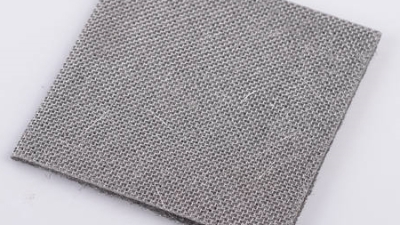
Sintered stainless steel felt with woven mesh is quickly becoming the material of choice for high-performance filtration applications due to its remarkable features and benefits. This advanced filtration media can be categorized into single-layer and double-layer configurations, where one or two layers of stainless steel woven mesh are sintered onto ordinary felt. This design not only increases the overall strength but also significantly enhances the filtration performance, making it ideal for demanding environments.
The characteristics of sintered stainless steel fiber felt are notable. With its fine metal fibers, precisely engineered to micron tolerances, it creates a three-dimensional porous structure that offers high porosity and a large specific surface area. Reports indicate that this media achieves a uniform pore size distribution and has a dirt holding capacity surpassing traditional filtration materials. The effectiveness of this filtration system extends to high-temperature applications, where it can sustain conditions that would typically ruin other materials, providing a stable and reliable solution in harsh environments.
Moreover, the sintered felt outperforms conventional metal meshes that often succumb to blockages or structural damage. A study showed that the unique layering and sintering process can enhance filtering accuracy, making it an invaluable component in industries ranging from chemical processing to aerospace. With its ability to handle fragile and small flow powder filtration tasks, sintered stainless steel felt with woven mesh stands at the forefront of filtration technology, ensuring longevity and efficiency in various applications.
: Pbo steel rope is mainly used in construction for heavy lifting and rigging, in telecommunications for supporting transmission lines and cable systems, and in aerospace and industrial applications due to its strength and heat resistance.
Thermal stability is crucial as it ensures the Pbo steel rope can retain over 90% of its mass at temperatures exceeding 400°C, making it suitable for high-temperature environments where other materials may degrade.
Pbo fibers can achieve tensile strengths of up to 3000 MPa, significantly outperforming traditional materials like steel, making them ideal for demanding applications.
Buyers can assess quality by analyzing thermal stability, checking tensile strength data, and examining the manufacturing process and source of the Pbo rope, including supplier certifications.
Essential maintenance practices include regular inspections for wear and corrosion, proper storage in a cool and dry environment, coiling the ropes correctly to avoid kinks, and lubricating the ropes to minimize friction.
Pbo steel ropes should be stored in a cool, dry environment, away from direct sunlight and extreme temperatures, and should be coiled to avoid sharp bends and kinks.
Its lightweight nature simplifies installation processes and reduces the overall load on towers and poles, thereby enhancing infrastructure reliability and performance.
The environmental resistance of Pbo steel rope ensures a longer service life, making it a cost-effective choice for companies looking to enhance the reliability of their infrastructure.
Regular inspections help identify signs of wear, fraying, or corrosion early, allowing for timely interventions that can prevent failure and ensure the ropes remain reliable.
Lubricating Pbo steel ropes minimizes friction, helping to prevent wear and tear, which extends their lifespan and maintains their performance over time.