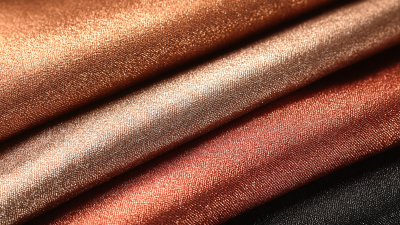
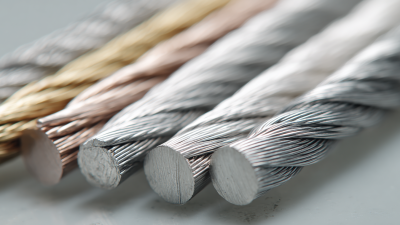
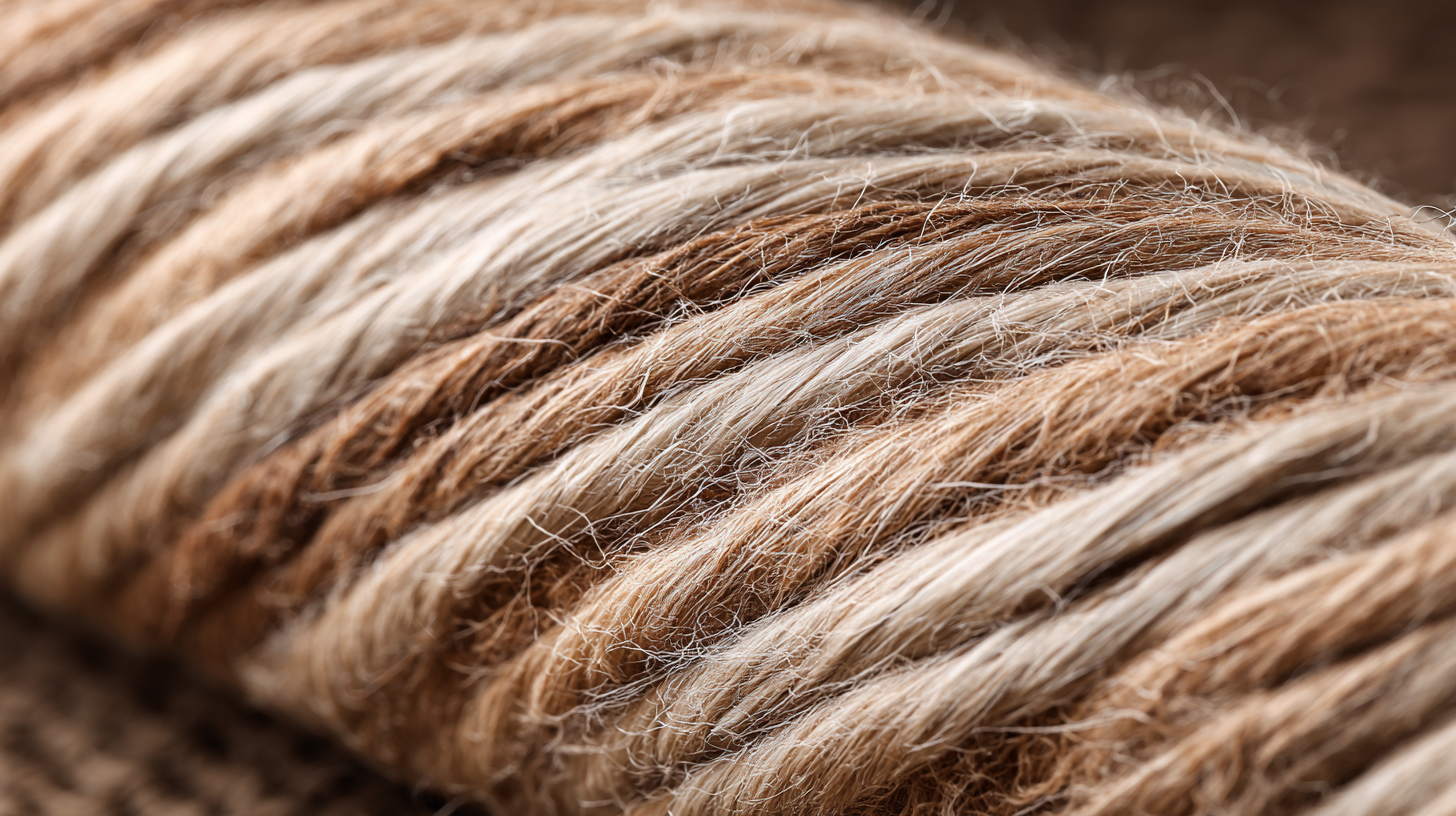
 So, if you’ve been keeping an eye on the world of technical Textiles, you probably noticed that things are changing pretty quickly. One of the coolest recent developments is the Metal fiber Polyester Mixed Yarn — honestly, it’s a real game-changer. This new yarn really boosts how well textiles perform and how long they last. I read in a report from Research and Markets that the global market for technical textiles is expected to hit around $184 billion by 2025. A lot of that growth is driven by folks wanting materials with better, more advanced features. Companies like SHIJIAZHUANG 3L TECHNOLOGY CO., LTD., who have been making top-notch technical textiles since 2009, totally see the potential of this mixed yarn. By blending metal fibers with polyester, manufacturers aren’t just making stronger Fabrics—they’re also improving conductivity and heat resistance. That means these materials can be used in all sorts of industries, from cars to healthcare. UsingMetal Fiber Polyester Mixed Yarn strategically puts companies ahead of the curve, helping them meet the increasing performance demands of today’s applications.
Understanding Metal Fiber Polyester Mixed Yarn Properties
Metal fiber-polyester blended yarn is honestly one of those cool innovations in the textile world. It combines the best of both materials, giving fabrics better performance and durability than ever before. The metal fibers bring some pretty unique benefits—like blocking electromagnetic signals and conducting heat—which really boosts the yarn’s functionality. According to a study by the Technical Textile Association, tossing in just about 5% metal fibers can boost the yarn’s tensile strength by up to 30%, and it even helps make the fabric less flammable. That’s why these metal-blended fabrics are especially super useful in areas where safety and performance really matter.
When you’re working with this kind of yarn, it’s smart to think about the perfect mix of fibers so you can get the most out of those special properties. For example, using around 10-15% metal fibers tends to give a good balance—making the fabric stronger and better able to handle environmental stressors. If you’re a manufacturer, a couple of tips: keep a close eye on the blending process to make sure the fibers are evenly mixed—bad distribution can mess with performance. And don’t forget, testing the yarn for specific uses, like industrial or protective gear, can help you figure out the ideal fiber ratios to maximize all those benefits.
With the right approach, metal fiber-polyester yarn could really shake things up in textiles. Integrating these advanced fibers doesn’t just meet the rising demand for high-performance materials — it also boosts the lifespan and reliability of fabrics in all kinds of challenging environments. By tapping into the unique qualities of this hybrid yarn, industries can come up with really innovative solutions to stay ahead in today’s competitive textile scene.
The Role of Metal Fibers in Enhancing Textile Durability
Metal fibers really make a difference when it comes to boosting the durability of textiles. They turn regular fabrics into high-performance goodies. For example, mixing in fibers like stainless steel or copper with polyester yarn creates a sort of superhero yarn—stronger and way more resistant to wear and tear. Not only do these fibers give the fabric a tougher stretch, but they also help it brave tough environmental conditions. That’s why you’ll see them in industrial gear and protective clothing—they're built to last.
On top of that, metal fibers bring some extra perks, like better heat conductivity and protection against static build-up. This is super handy in industries where static sparks can be a real safety concern. Basically, adding these fibers amps up the fabric’s game, helping it meet the intense demands of different sectors and stay durable longer. Thanks to these benefits, manufacturers can whip up fabrics that perform really well and, at the same time, reduce the need for constant replacements—which is better for the environment too.
Advantages of Polyester in Textile Performance Improvement
Polyester's really gaining recognition these days for all the ways it can boost the performance of your textiles. It's a synthetic fiber that’s pretty resilient, so your clothes tend to keep their shape and don’t get all wrinkled easily—no more ironing stress! Plus, it’s got moisture-wicking magic, which keeps things breathable and comfortable, making it a hit for both workout gear and everyday wear. And, since it dries fast, you can enjoy staying comfy longer without that annoying wet fabric feeling against your skin.
Hey, if you're thinking about blending polyester with other fibers, you might want to look for ones that include metal fibers. They add some serious durability and even help with thermal conductivity—so your clothes work better in different weather conditions. Keep an eye out for features like UV resistance and anti-static, because they can really extend the life of your garments.
One of the best parts? Polyester resists shrinking and stretching, so your clothes keep that fresh look over time. Plus, the colors tend to stay vibrant even after lots of washes. That’s a big plus for designers and brands, since polyester takes dye well, giving a lot of room for creativity without sacrificing quality.
A quick tip—always check those care labels! Washing in cold water and avoiding hot drying can really help your polyester items last longer and stay looking good. It’s all about a little TLC to keep your clothes in top shape.
Unlocking the Benefits of Metal Fiber Polyester Mixed Yarn for Enhanced Textile Performance
This bar chart illustrates the enhanced durability and performance improvements of textiles made from metal fiber polyester mixed yarn compared to traditional polyester and cotton materials.
Applications of Metal Fiber Polyester Mixed Yarn in Fashion Industry
You know, the fashion world is really starting to benefit a lot from mixing metal fiber with polyester in yarns. It’s pretty cool because it boosts the durability and overall performance of textiles. And honestly, as more people are waking up to the importance of sustainable fashion, these hybrid materials are becoming more and more essential. Right now, the global market for hybrid textiles is expected to hit over 738 million bucks by the end of this decade — that’s a clear sign of how much demand there is, especially in fashion and related areas. This whole trend is driven by the need for fabrics that not only perform well but also help us move toward a more eco-friendly approach.
On the recycling front, there’ve been some pretty exciting new developments, like using specially engineered spores that display enzymes to break down textiles more efficiently. The sad reality is, less than half a percent of post-consumer textile waste actually gets recycled, which is pretty shocking. So, finding better recycling methods is crucial if we want to cut down on the environmental mess caused by fast fashion. By embracing advanced materials like metal fiber polyester mixed yarn and focusing on more sustainable practices, brands can actually make their products last longer and appeal to consumers who care about the planet. Looking ahead, experts say the worldwide textile market could be worth over 4 trillion dollars by 2034, so integrating these innovative materials will be key to balancing top-notch performance and sustainability in the fashion industry that’s always evolving.
Comparative Analysis of Traditional vs. Mixed Yarn Textiles
So, when you compare traditional yarns with these new metal fiber polyester mixed ones, the difference in performance is pretty noticeable. Classic yarns, like those made from just cotton or polyester, tend to have some limitations—they're not exactly the best when it comes to durability or standing up to stuff like moisture, UV rays, or rough wear. I remember reading in the Textile Research Journal that most polyester fabrics last around 2 to 4 years under normal use before showing signs of wearing out.
On the flip side, these metal fiber polyester mixed yarns are a whole different story. They incorporate metallic fibers that boost how tough and functional the fabric really is. Some studies have shown that textiles made from these mixes can be about 50% stronger in tensile strength and about 40% more resistant to abrasion than the traditional ones. Plus, adding metal fibers helps manage heat better and even gives the fabric antimicrobial properties, which is pretty awesome. This makes such fabrics super versatile—great for industrial uses and everyday consumer stuff. It definitely feels like the future of textiles is heading toward more innovative, sustainable materials that really cater to what modern folks want.
Sustainability and Environmental Impact of Innovative Yarn Technologies
The textile industry is really going through some big changes these days, especially as everyone’s talking about sustainability more and more. Lately, we’ve been seeing a real push toward eco-friendly practices — it’s not just good for the planet, but it also means textiles are getting tougher and last longer. Take advanced yarn tech, like metal fiber polyester mixed yarn, for example. These innovations combine sustainable materials with stronger fibers, making fabrics more durable and reliable. And the coolest part? It lets companies keep up with what consumers are looking for — responsible products — without sacrificing quality or performance.
Events like Intertextile Shanghai 2025 are gonna be great for showing off these green tech innovations. Plenty of big industry players will be there, showcasing everything from recycled fibers to waterless dyeing methods. It’s clear that sustainability isn’t just a passing trend anymore — it’s become a vital part of how the industry’s evolving. As more folks push for circular and eco-friendly production, we’ll probably see even more new yarn solutions that are both high-performance and eco-conscious, really meeting what consumers want these days.
Unlocking the Benefits of Metal Fiber Polyester Mixed Yarn for Enhanced Textile Performance and Durability - Sustainability and Environmental Impact of Innovative Yarn Technologies
| Property | Traditional Yarn | Metal Fiber Polyester Mixed Yarn |
| Tensile Strength | 5-7 cN/dtex | 8-10 cN/dtex |
| Thermal Conductivity | 0.04 W/mK | 0.08 W/mK |
| Weight | 200 g/m² | 180 g/m² |
| Durability (Cycles) | 500 | 1000 |
| Sustainability Index | 3.5 | 5.0 |
| Biodegradability | Low | Moderate |
| Cost (per kg) | $8.00 | $10.50 |
Innovative Applications and Benefits of Stainless Steel Fiber Spun Yarn in Modern Textiles
Stainless steel fiber spun yarn represents a remarkable innovation in the textile industry, merging the beneficial properties of stainless steel with versatile textile applications. This unique yarn is crafted by drawing stainless steel wires into fine fibers and spinning them, resulting in a material capable of withstanding high temperatures while exhibiting excellent electrical conductivity. This inherent combination makes it an ideal choice for a variety of applications, including the production of conductive tapes, heat-resistant tubing, and specialized fabrics designed for extreme conditions.
The adaptability of stainless steel fiber yarn allows manufacturers to incorporate it into various textile processes such as braiding, knitting, and weaving. This flexibility facilitates the creation of advanced textiles that meet the demands of modern engineering, healthcare, and consumer markets. For instance, fabrics engineered from this yarn can be utilized in fire-retardant clothing, safety gear, and even smart textiles that integrate electronic components. As industries continue to seek innovative solutions for durability and functionality, stainless steel fiber spun yarn stands out as a practical and transformative material, enhancing the performance and safety of modern textiles.
FAQS
: Metal fiber polyester mixed yarn is a textile innovation that combines metal fibers with polyester yarn to enhance fabric performance and durability.
The incorporation of metal fibers can improve tensile strength by up to 30%, reduce flammability, and enhance properties such as electromagnetic shielding and thermal conductivity.
A blend of 10-15% metal fibers is recommended to optimize tensile strength and fabric resilience against environmental stressors.
Metal fibers, such as stainless steel or copper, increase the strength of textiles and enhance their resistance to wear and tear, making them suitable for demanding applications like industrial and protective clothing.
Metal fibers improve thermal conductivity and provide electrostatic discharge protection, which is especially important in industries where static electricity can pose safety risks.
Innovations like metal fiber polyester mixed yarn incorporate sustainable materials, improving durability while meeting the growing consumer demand for environmentally responsible products.
Closely monitoring the blending process is crucial to ensure uniform distribution of fibers, as inconsistent mixtures can lead to variations in performance.
Advanced yarn technologies, such as those incorporating metal fibers, help reduce the environmental impact by producing durable fabrics that decrease the need for frequent replacements.
The textile industry is shifting towards eco-friendly practices and innovations, driven by the need to create durable, high-performance fabrics that align with environmental values and consumer expectations.
Events like Intertextile Shanghai 2025 will showcase the latest sustainable fashion technologies and innovations in the textile industry.
Conclusion
So, there's this article with the pretty long title "Unlocking the Benefits of Metal Fiber Polyester Mixed Yarn for Enhanced Textile Performance and Durability," and honestly, it dives into what makes this type of yarn pretty special. Basically, by mixing in metal fibers, this innovative yarn boosts durability — so fabrics made with it can withstand more wear and tear. And the polyester part? That just helps improve the overall performance, making it super versatile, especially for different fashion industry uses.
What's pretty interesting is that the article also compares traditional fabrics with those made from this metal-polyester blend. Turns out, the new mixed yarns have some real advantages in both functionality and how long they last. Oh, and they don’t forget about sustainability either — highlighting how these new yarn tech can impact the environment. It’s clear that SHIJIAZHUANG 3L TECHNOLOGY CO., LTD., leading the way in advanced technical textiles, is really pushing these innovations forward. They’re turning high-performance materials into game-changing solutions for the global market, which is pretty exciting, don’t you think?