Leave Your Message
0%

You know, integrating Metal Silver Fiber technologyinto smart Textiles is really a game-changer for the industry. I mean, smart textiles are booming — expected to hit aroundUSD 2.63 billion by 2025, growing at an eye-popping 26.3% annually from 2019 to 2025. And with all these innovations coming fast and furious, we're seeing some pretty exciting stuff, from health monitoring gear to cool fashion statements. Companies like Intellifi, Advanctus, and Woven are really leading the way, tapping into the conductive magic of Metal Silver Fiberto make Fabrics that not only perform well but also boost the overall user experience.

2025's Top 10 Innovations in Metal Silver Fiber Technology for Smart Textiles

Come 2025, the top ten breakthroughs in Metal Silver Fiber tech are gonna set a new bar for making smarter, more versatile fabrics. According to research from MarketsandMarkets, features like antimicrobial properties and inherent conductivity are what’s really pushing this tech into sectors like healthcare, sportswear, and even military gear. Basically, when you add Metal Silver Fiber into the mix, you can create textiles with sensors embedded right in them — allowing for real-time data collection and communication. It’s pretty wild how this is shaking up everyone’s expectations and raising industry standards.

All in all, this trend highlights how super important it is for textile engineers, scientists, and tech folks to work together. They’re the ones unlocking the full potential of Metal Silver Fiber. Moving forward, focusing on sustainability and boosting performance will be key if the smart textiles market wants to grow steadily and stay competitive. It’s an exciting time to watch this space evolve!
Advancements in Silver Fiber Technology Enhancing Conductivity for Smart Textiles

2025's Top 10 Innovations in Metal Silver Fiber Technology for Smart Textiles

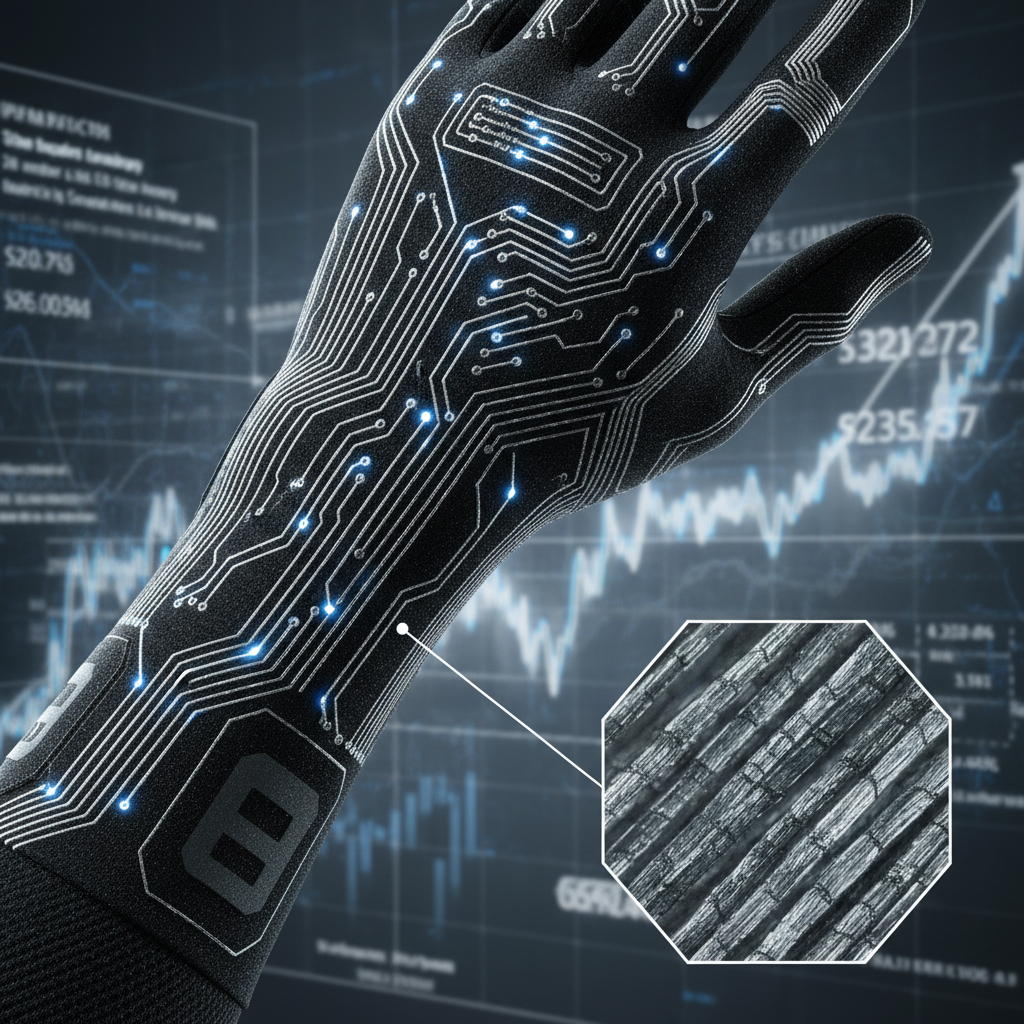
The advancements in silver fiber technology are set to revolutionize the smart textiles industry, enhancing their conductivity and functionality. According to a recent report by MarketsandMarkets, the smart textiles market is projected to exceed $5 billion by 2025, with silver fiber technology playing a crucial role in this growth.

Silver fibers offer exceptional electrical conductivity, antimicrobial properties, and durability, making them ideal for various applications, from wearable health monitors to conductive fabrics used in smart clothing.

In 2025, we can expect to see significant innovations in silver fiber applications, particularly in enhancing the interactive capabilities of textile products. The integration of Internet of Things (IoT) technologies with silver fibers will allow for real-time health monitoring, allowing users to track vital signs or physical activity seamlessly. A study published in the Journal of Textile Science and Engineering indicates that textiles incorporating silver fiber can provide up to 20% higher conductivity compared to traditional conductive fibers.

This increase in performance will enable more complex functionalities, expanding the potential uses of smart textiles in industries such as sports, healthcare, and fashion. As the demand for high-performance materials grows, silver fiber technology is poised to lead the way in delivering innovative solutions tailored to the needs of modern consumers.

Integration of Biocompatible Silver Fibers for Health Monitoring Wearables

The integration of biocompatible silver fibers into health monitoring wearables represents a groundbreaking advancement in smart textiles. Silver fibers possess natural antimicrobial properties, making them ideal for applications in wearables that require prolonged skin contact. According to a report by Grand View Research, the global smart textiles market was valued at approximately $2.8 billion in 2021 and is projected to grow at a compound annual growth rate (CAGR) of around 27% through 2028. This growth is propelled by the increasing demand for effective health monitoring solutions, particularly in wearable technology.

Recent innovations in metal silver fiber technology emphasize enhancing wearability without compromising comfort. The incorporation of silver fibers in fabrics not only enables real-time health monitoring but also provides users with a sense of safety due to the fibers' biodegradability and skin-friendly characteristics. The wearable sensors embedded in these textiles can monitor vital signs such as heart rate and body temperature, paving the way for more personalized healthcare solutions. As reported by a market research firm, the wearable health tech sector is expected to reach USD 466 billion by 2027, driven in part by advances in smart textile technologies featuring biocompatible materials.

Revolutionizing Textile Manufacturing with Eco-friendly Silver Fiber Innovations

The textile industry is undergoing a transformative revolution with the advent of eco-friendly innovations in silver fiber technology. As the demand for sustainable and functional textiles rises, manufacturers are turning to silver fibers for their unique properties, including antibacterial effects and enhanced conductivity. These advancements not only improve the performance of smart textiles but also promote a greener approach to production by reducing the need for harmful chemical treatments often used in traditional manufacturing processes.

This shift towards sustainability is particularly significant as brands and consumers alike become more conscious of their environmental footprint. The introduction of low-impact dyeing processes and recyclable materials into silver fiber production exemplifies the industry's commitment to eco-friendly practices.

By leveraging these cutting-edge technologies, manufacturers can create smart textiles that not only possess advanced features, such as moisture-wicking and temperature regulation, but also adhere to environmental standards. This convergence of innovation and sustainability is set to redefine the landscape of textile manufacturing, paving the way for a future where performance and eco-consciousness go hand in hand.

Smart Textiles: E-Textiles Powered by Silver Fiber for Enhanced Connectivity

The integration of silver fiber technology into smart textiles has revolutionized the fashion and apparel industry, enabling enhanced connectivity through e-textiles. These innovative fabrics incorporate conductive silver fibers that facilitate seamless communication between garments and smart devices. As the market for wearable technology expands, the adoption of silver fibers is becoming increasingly significant due to their superior electrical conductivity and antibacterial properties. This advancement is crucial for applications in healthcare, sports, and everyday wear, where real-time data monitoring and user comfort are paramount.

Moreover, the development of flexible electronic systems embedded within textiles leads to unique applications, such as self-cleaning fabrics and adaptive clothing that can adjust to environmental conditions. Recent innovations have introduced washable, heat-resistant e-textiles designed for comfort without sacrificing performance. The ability to maintain fabric properties while ensuring reliable functionality under strain presents challenges that researchers are actively addressing. With the emergence of AI-driven smart textiles, the potential for personalized wearables that respond to individual needs enhances the user experience while merging fashion with technological progress.

Developments in Silver Fiber Coatings for Improved Durability and Performance

Recent advancements in silver fiber coatings have significantly enhanced the durability and performance of smart textiles. These coatings, which integrate silver nanoparticles, provide antimicrobial properties, making the textiles less prone to odor and degradation from microbial growth. This innovation not only extends the lifespan of the textile products but also maintains their functional integrity, making them ideal for various applications ranging from healthcare to sportswear.

Moreover, the development of advanced coating techniques, such as nano-coating and electrospinning, has resulted in superior adhesion of silver fibers within the fabric structure. This is crucial in preventing the leaching of silver particles during washing and wear, ensuring that the benefits of silver fiber technology are long-lasting. As smart textiles gain traction in industries focused on health monitoring and environmental sustainability, these coatings will play a pivotal role in meeting the growing consumer demands for performance-driven and durable materials.

Emerging Applications of Silver Fiber Technology in Fashion and Sportswear

The integration of silver fiber technology in fashion and sportswear is reshaping how we perceive performance textiles. As the global sports apparel market is projected to reach $231 billion by 2024, innovative applications of silver fibers are emerging as key differentiators. According to a recent market analysis, garments embedded with silver fibers can offer properties such as enhanced antimicrobial activity, moisture management, and even temperature regulation. This advancement is particularly appealing in sportswear, where maintaining comfort and hygiene during intense physical activity is paramount.

Silver fiber technology is not only revolutionizing active wear but also making significant strides in the fashion industry. High-end designers are incorporating smart textiles that utilize silver fibers to create garments that monitor health metrics, such as heart rate and body temperature. A report by Research and Markets estimates that the smart textiles market will experience a compound annual growth rate (CAGR) of 25% through 2025. This growth is largely driven by consumer demand for innovative clothing that merges style with functionality. As we advance into 2025, the fusion of fashion and technology through silver fibers promises to redefine trends and performance in both sectors.

Revolutionizing Kitchen Efficiency: The Advantages of Stainless Steel Metal Fiber in Cooking Tools

In the quest for enhancing kitchen efficiency, the integration of stainless steel metal fiber into cooking tools presents a transformative opportunity. Known for its superior shielding capabilities against static electricity, stainless steel metal fiber not only improves performance in the kitchen but also extends its advantages across various industries. According to a report by MarketsandMarkets, the global stainless steel market is projected to reach $191.50 billion by 2025, indicating a growing recognition of the material's multifunctional properties.

Cooking tools that leverage stainless steel fibers exhibit anti-static and conductive qualities, enhancing not only durability but also user experience. For instance, when utilized in blended yarns with traditional textiles like cotton or polyester, stainless steel fibers confer high-strength properties while simultaneously improving resistance to dust and debris accumulation. This is critical in a kitchen environment where cleanliness and efficiency are paramount.

Furthermore, the versatility of stainless steel metal fibers makes them ideal for use in anti-static dust bags and filtration systems, vital for maintaining hygiene and safety in food preparation. By adopting tools made from these advanced materials, culinary professionals can ensure a more streamlined work process while maintaining optimal standards in food preparation and handling. Investing in stainless steel metal fiber tools is not just a trend; it's a step towards a more efficient and sustainable kitchen.

FAQS

: What are biocompatible silver fibers and why are they important for health monitoring wearables?

: Biocompatible silver fibers are made from silver, which has natural antimicrobial properties, making them suitable for wearables that are in prolonged contact with the skin. They enhance health monitoring capabilities while ensuring user comfort and safety.

How is the market for smart textiles projected to grow in the coming years?

The global smart textiles market was valued at approximately $2.8 billion in 2021 and is expected to grow at a compound annual growth rate of around 27% through 2028, driven by the demand for effective health monitoring solutions in wearable technology.

What vital signs can the wearable sensors embedded in smart textiles monitor?

Wearable sensors in smart textiles can monitor vital signs such as heart rate and body temperature, enabling more personalized healthcare solutions.

How do eco-friendly innovations in silver fiber technology impact the textile industry?

Eco-friendly innovations in silver fiber technology promote sustainability by providing antibacterial effects and enhanced conductivity, while also reducing the reliance on harmful chemical treatments in traditional textile manufacturing.

What practices are manufacturers adopting to ensure environmental sustainability in silver fiber production?

Manufacturers are adopting low-impact dyeing processes, using recyclable materials, and leveraging cutting-edge technologies to create eco-friendly smart textiles that meet environmental standards.

What advancements in silver fiber coatings have been made recently?

Recent advancements include the integration of silver nanoparticles into coatings that enhance antimicrobial properties, improve durability, and extend the lifespan of textiles, making them suitable for various applications.

Why is the adhesion of silver fibers crucial in the fabric structure?

Superior adhesion of silver fibers is important to prevent the leaching of silver particles during washing and wear, ensuring that the antimicrobial benefits of the technology remain effective over time.

What is the expected value of the wearable health tech sector by 2027?

The wearable health tech sector is projected to reach USD 466 billion by 2027, driven in part by advances in smart textile technologies that utilize biocompatible materials.

How do silver fibers contribute to a green approach in textile manufacturing?

Silver fibers facilitate the production of sustainable textiles by providing functional properties without the need for harmful chemicals, aligning with the industry's shift towards eco-friendly practices.

What applications can benefit from the durability improvements in smart textiles with silver fiber technology?

The improvements in durability and performance of smart textiles with silver fiber technology can benefit various sectors, including healthcare and sportswear, by ensuring long-lasting and effective materials.

Conclusion

The article "2025's Top 10 Innovations in Metal Silver Fiber Technology for Smart Textiles" explores the groundbreaking advancements in Metal Silver Fiber technology that are set to revolutionize the smart textiles industry. The highlighted innovations include enhanced conductivity through advanced silver fiber technology, the integration of biocompatible fibers for health monitoring wearables, and eco-friendly manufacturing processes. Additionally, the piece discusses the role of Metal Silver Fiber in creating e-textiles that offer improved connectivity, along with developments in silver fiber coatings that enhance durability and performance.

Emerging applications in fashion and sportswear further illustrate the versatility and impact of Metal Silver Fiber technology. As SHIJIAZHUANG 3L TECHNOLOGY CO., LTD. continues to lead the way in advanced technical textiles manufacturing, these innovations align perfectly with the company's commitment to providing revolutionary solutions across various industries worldwide.

Ethan

Ethan

Ethan is a dedicated marketing professional at SHIJIAZHUANG 3L TECHNOLOGY CO., LTD., a forefront leader in advanced technical textiles manufacturing since 2009. With a profound expertise in the company's innovative product offerings, Ethan plays a vital role in communicating the transformative......
Previous Exploring the Versatility of Silver Coated Fabric for Global Industries