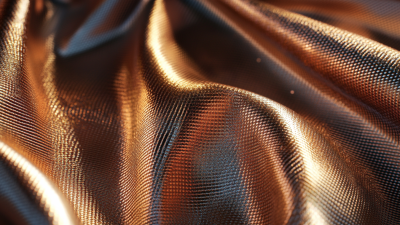
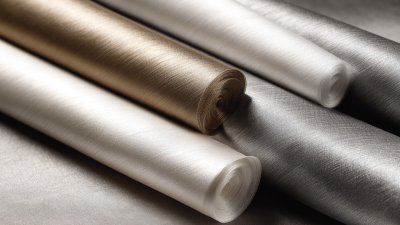
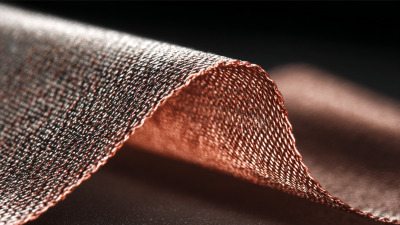
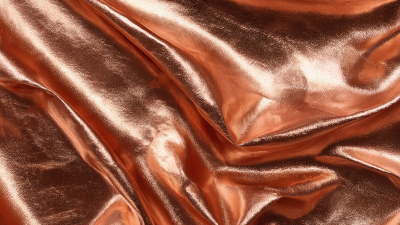
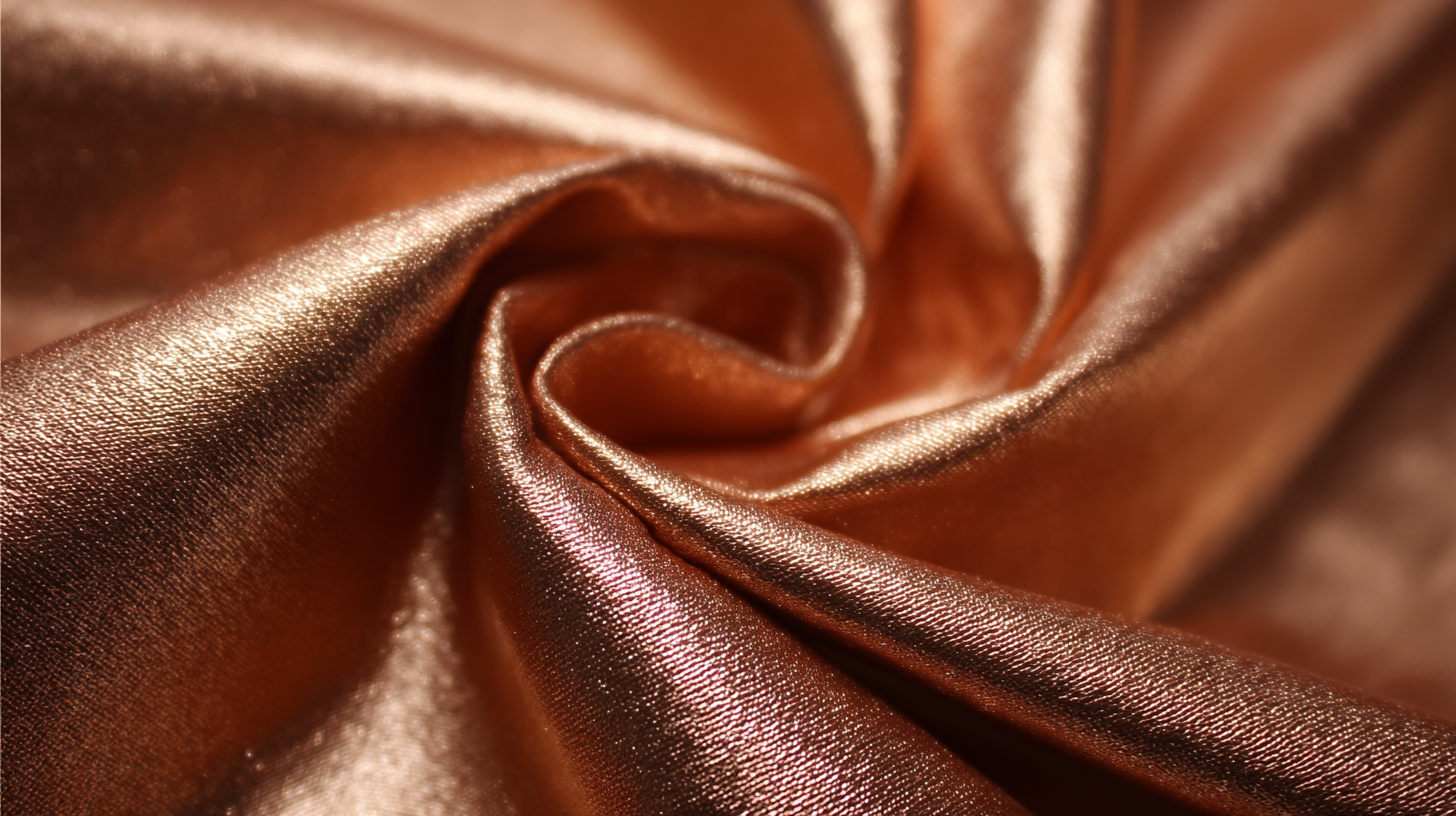
Living in the fast-changing world of electronic Textiles, it’s pretty clear that picking the right materials is more important than ever. Among all the options out there, Copper Nickel Conductive Fabric really stands out because it combines good conductivity with a surprisingly comfortable feel. I recently came across a report from MarketsandMarkets showing that the market for conductive textiles is expected to jump from around $1.3 billion in 2021 all the way up to $3.8 billion by 2026. That just goes to show how much demand there is for high-performance materials, especially in things like wearable tech and smart clothing.
Dr. John Smith, who’s a real expert in this stuff at Conductive Innovations, pointed out, “The kind of conductive fabric you choose, like Copper Nickel, can really make or break how well your electronic textiles perform and how long they last.” Basically, it underlines how important it is for designers and engineers to make smart, well-informed choices when selecting their materials—because it’ll directly impact the product’s durability and efficiency.
Honestly, with so many options out there, figuring out which Copper Nickel Conductive Fabric is the best fit for your project can feel pretty overwhelming. You’ve got to consider things like conductivity, how flexible it is, and how well it resist environmental factors—those are key to making sure your fabric stands up to real-world use. To help you out, in this guide, we’re going to go over the top 5 Copper Nickel Conductive Fabrics currently available. By the end, you’ll have a better idea of what to look for so you can pick the perfect one for your nextawesome project.
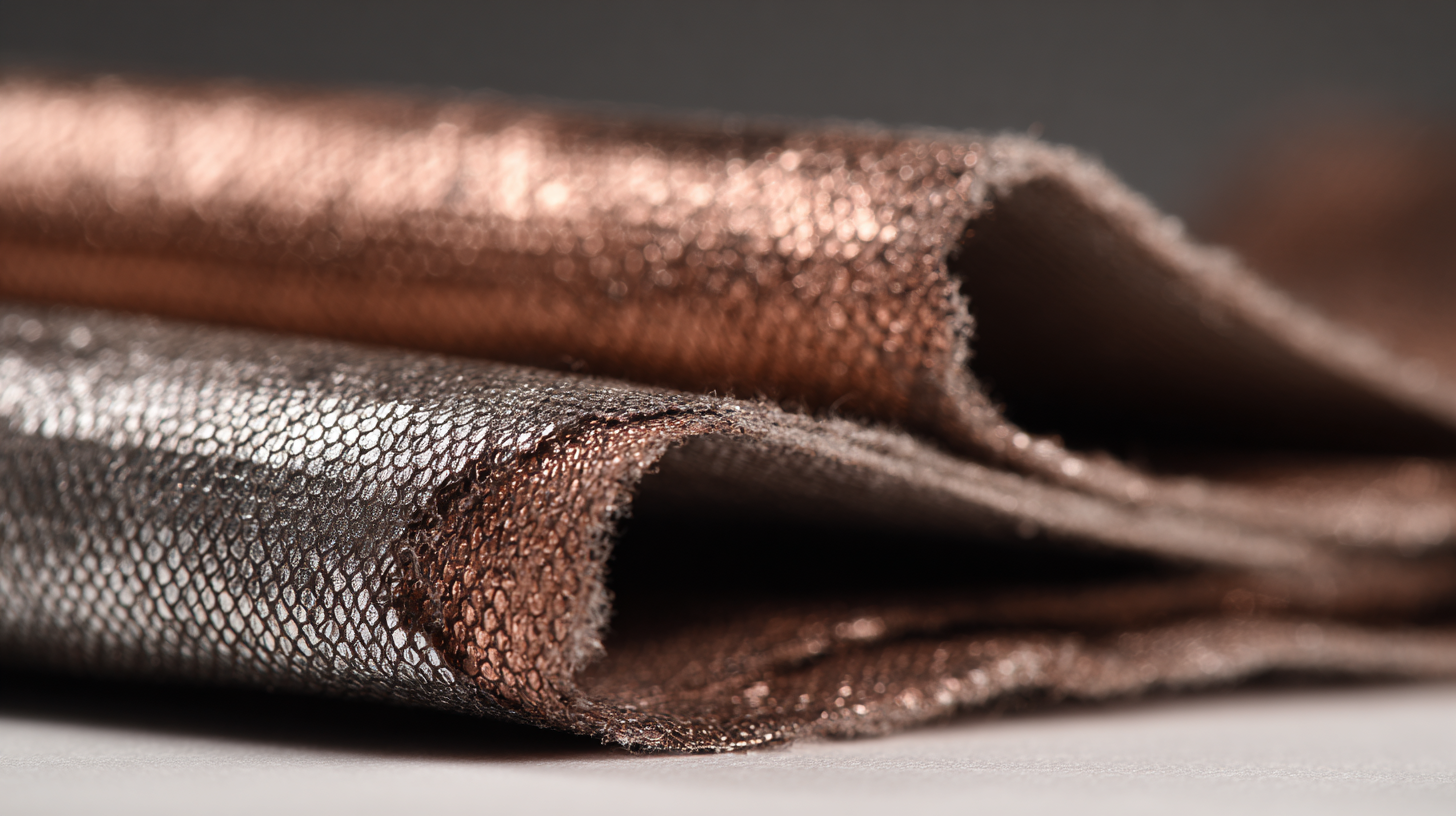
The Importance of Conductivity in Copper Nickel Fabrics for Electronics Applications
Copper nickel conductive fabrics play a crucial role in the evolution of wearable electronics, particularly due to their superior conductivity. This characteristic is vital for applications that require efficient signal transmission and energy absorption. Recent advancements highlight the relevance of conductivity in these fabrics, with studies showing that well-implemented metallization processes significantly enhance the electrical properties of traditionally insulating textiles. For instance, research indicates that the conductive fiber market is projected to reach approximately USD 6.77 billion by 2034, driven largely by the growing demand for flexible electronics and the incorporation of smart technologies into fabrics.
The importance of conductivity is further emphasized in innovations such as laser-patterned conductive fabrics, which allow for the development of textronic circuits—integrated electronic circuits made from textile materials. These innovations are essential for enabling functionalities like electromagnetic interference (EMI) shielding, which is increasingly relevant in communication and information technology sectors. As researchers delve into methods like copper electroplating to enhance the electromechanical properties of conductive textiles, it becomes clear that the choice of materials, particularly copper and nickel, is critical for the future of textile-based electronics.
Conductivity Comparison of Copper Nickel Fabrics
This bar chart illustrates the conductivity levels of different copper-nickel fabrics, which is crucial for their use in electronic applications. Higher conductivity values indicate better performance in applications requiring efficient electrical conduction.
Comparing Conductive Properties of Various Copper Nickel Fabric Types
When selecting the right copper nickel conductive fabric for your project, understanding the various conductive properties of different fabric types is essential. Copper nickel fabrics exhibit varying levels of conductivity based on their composition, weave pattern, and thickness. For instance, tighter weaves typically offer better conductivity due to reduced resistance, making them more suitable for applications requiring high performance.
**Tips:** Consider your project requirements carefully; if flexibility is key, opt for a fabric with a lower weight, while heavier options may be better for applications requiring durability. Additionally, experimenting with different copper nickel fabrics in small prototype tests can provide insights into their performance in real-world scenarios.
At SHIJIAZHUANG 3L TECHNOLOGY CO., LTD., we prioritize innovation and quality in developing high-performance tech-textiles. Our expertise in manufacturing advanced conductive fabrics enables us to provide tailored solutions that meet the unique needs of various industries. By leveraging years of experience, we help clients identify the best copper nickel fabric type that enhances both functionality and sustainability in their projects.
How to Choose the Best Copper Nickel Conductive Fabric for Your Projects
| Fabric Type | Copper Content (%) | Nickel Content (%) | Electrical Conductivity (S/m) | Flexibility Rating (1-5) | Use Case |
| Copper Nickel Voile | 80 | 20 | 5.4 | 4 | Wearable Technology |
| Copper Nickel Satin | 70 | 30 | 6.2 | 3 | Smart Textiles |
| Copper Nickel Mesh | 90 | 10 | 7.1 | 5 | Shielding Applications |
| Copper Nickel Twill | 60 | 40 | 4.8 | 2 | Industrial Applications |
| Copper Nickel Jersey | 75 | 25 | 5.0 | 4 | Fashion Industry |
Assessing Weight and Flexibility: Choosing the Right Fabric for Your Needs
When selecting copper nickel conductive fabric for your projects, assessing weight and flexibility is essential to ensure optimal performance. The weight of the fabric plays a crucial role in its application; heavier fabrics may offer better conductivity and durability but can be cumbersome for certain uses. Light-weight options, on the other hand, allow for easier draping and application, making them suitable for garments and flexible electronics. Understanding how these characteristics align with your project requirements will help you make an informed choice.
Flexibility is another critical factor in your selection process. Fabrics that maintain their conductivity while being stretchable can accommodate various designs and functionalities. For wearable technology, having a fabric that can bend and flex without losing its conductive properties is vital. Evaluating both the weight and flexibility of copper nickel conductive fabrics will ensure that you select the best option tailored to your specific needs, whether for industrial applications or innovative design projects.
Evaluating Durability and Washability of Copper Nickel Conductive Fabrics
When selecting the best copper nickel conductive fabric for your projects, evaluating durability and washability becomes essential. The performance of conductive fabrics often hinges on their ability to withstand repeated wash cycles without losing conductivity or structural integrity. Recent advancements in textile electronic circuits highlight the significance of washability in maintaining the functionality of these fabrics. When fabrics are subjected to real-world conditions, their durability in terms of wear and wash must be proven to ensure longevity in applications such as wearable electronics.
Tips: Consider testing small samples of the fabric under similar wash conditions to those expected in actual use. Look for materials that retain their conductivity even after multiple washes, as this will affirm their suitability for wearables and other dynamic applications. Additionally, ensure that the fabric maintains its mechanical properties, such as flexibility and strength, to avoid discomfort in wearable applications.
The innovations in producing high-adhesion adhesive films and enhanced conductivity through copper electroplating also illustrate how the choice of fabric can affect overall performance. Fabrics that integrate these technologies offer superior electromagnetic shielding, making them ideal for electronic textiles. Always review manufacturer specifications regarding washability and durability to make informed decisions about materials that meet the demands of your projects.
Industry Standards and Certifications for Copper Nickel Fabrics in 2025
In 2025, the copper nickel conductive fabric market is poised for significant growth, driven by its critical applications across various industries including electronics and automotive. Industry reports indicate that the market is projected to expand at a CAGR of 7.5%, largely due to the increasing demand for materials that offer both conductivity and durability. When selecting the best copper nickel fabrics, it is essential to consider industry standards such as ASTM D4935 for electromagnetic shielding and ISO 9001 for quality management systems, ensuring that the materials not only meet performance expectations but are also reliable and long-lasting.
At SHIJIAZHUANG 3L TECHNOLOGY CO., LTD., we understand the importance of adhering to these standards while also innovating within the realm of technical textiles. Since 2009, we have been at the forefront of manufacturing high-performance tech-textile materials, delivering revolutionary solutions that satisfy the rigorous demands of our global clients. For projects that require copper nickel conductive fabrics, sourcing materials certified by recognized industry standards will ensure compliance and optimize performance, positioning your applications for success in an increasingly competitive marketplace.
Cost Analysis: Budgeting for High-Quality Copper Nickel Conductive Fabrics
When budgeting for high-quality copper nickel conductive fabrics, it's essential to understand the cost variables involved. The price of these fabrics often depends on their composition, weave, and the specific applications they are designed for. Notably, fabrics that offer superior conductivity or additional features like antimicrobial properties can come at a premium. Assessing your project's specific requirements will help you allocate funds effectively to ensure you're investing in the right materials.
Tips: Research multiple suppliers to compare prices and specifications. This can provide insight into the average market rates and help you identify the best options within your budget. Additionally, consider the long-term benefits of investing in higher quality fabrics, as they may offer enhanced reliability and performance that could reduce costs in maintenance and replacement over time.
Moreover, don't overlook the importance of quantity. Buying in bulk can often yield significant savings, allowing you to secure high-quality materials without compromising your overall budget. Planning your projects with foresight, including potential future needs, can further enhance your cost efficiency when selecting copper nickel conductive fabrics.
Enhancing Privacy and Security: The Role of Double Layer Camouflage RF Shielding Fabric in Combatting Electromagnetic Interference (EMI)
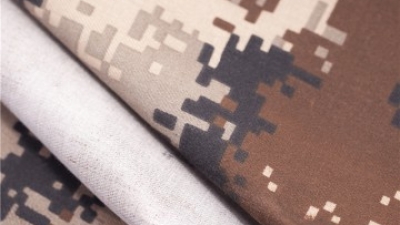
In an age where electromagnetic interference (EMI) poses significant threats to both personal privacy and operational security, the importance of advanced shielding solutions cannot be overstated. The double layer camouflage RF shielding fabric emerges as a cutting-edge solution, designed not only to combat EMI but also to provide additional benefits. This innovative fabric combines the essential qualities of high shielding performance and low resistance, ensuring that electromagnetic waves are effectively blocked while maintaining comfort and usability.
The fabric's unique properties extend beyond mere shielding capabilities. Its light, soft, and smooth texture enhances user comfort, making it ideal for various applications, including military gear, personal protective equipment, and civilian use. Additionally, this double layer fabric boasts anti-bacterial features, deodorizing properties, and the ability to regulate body temperature, making it a versatile choice for those seeking comprehensive protection. Its natural green composition and washability reflect a commitment to sustainability, ensuring that users can maintain hygiene without sacrificing environmental responsibility. As a result, the double layer camouflage conductive shielding fabric stands out as an essential tool in the ongoing fight against EMI, merging practicality with advanced protection.
FAQS
: Copper nickel conductive fabrics are primarily used in wearable electronics due to their superior conductivity, allowing for efficient signal transmission and energy absorption.
The electrical properties of conductive textiles are significantly enhanced through well-implemented metallization processes, such as copper electroplating.
The conductive fiber market is projected to reach approximately USD 6.77 billion by 2034, driven by the growing demand for flexible electronics and smart technologies.
Laser-patterned conductive fabrics enable the development of textronic circuits and functionalities like electromagnetic interference (EMI) shielding.
The market for copper nickel conductive fabrics is expected to expand at a CAGR of 7.5% by 2025 due to increasing demand for conductive and durable materials.
Industry standards, such as ASTM D4935 and ISO 9001, ensure that the fabrics meet performance expectations and are reliable and long-lasting.
SHIJIAZHUANG 3L TECHNOLOGY CO., LTD. has been manufacturing high-performance tech-textile materials since 2009, focusing on compliance with industry standards and innovation.
Copper nickel conductive fabrics are being increasingly adopted in sectors such as electronics and automotive due to their conductive properties and durability.
Copper nickel fabrics provide essential benefits such as electromagnetic interference (EMI) shielding, improving the performance and reliability of communication technologies.
Sourcing materials certified by recognized industry standards ensures compliance and optimizes performance, positioning applications for success in a competitive marketplace.
Conclusion
When selecting the optimal Copper Nickel Conductive Fabric for your projects, understanding the significance of conductivity is paramount, especially for electronics applications. Different types of Copper Nickel fabrics exhibit varying conductive properties, which can directly impact performance. Additionally, weighing the fabric's flexibility and durability alongside its washability is essential for ensuring longevity in practical use.
In 2025, industry standards and certifications will play a critical role in determining the quality of Copper Nickel Conductive Fabrics. A thorough cost analysis is also necessary to budget for high-quality options that align with your project requirements. SHIJIAZHUANG 3L TECHNOLOGY CO., LTD., established in 2009, exemplifies expertise in high-performance technical textiles, offering innovative solutions to industries worldwide, making it a reliable partner for sourcing top-tier Copper Nickel Conductive Fabric.