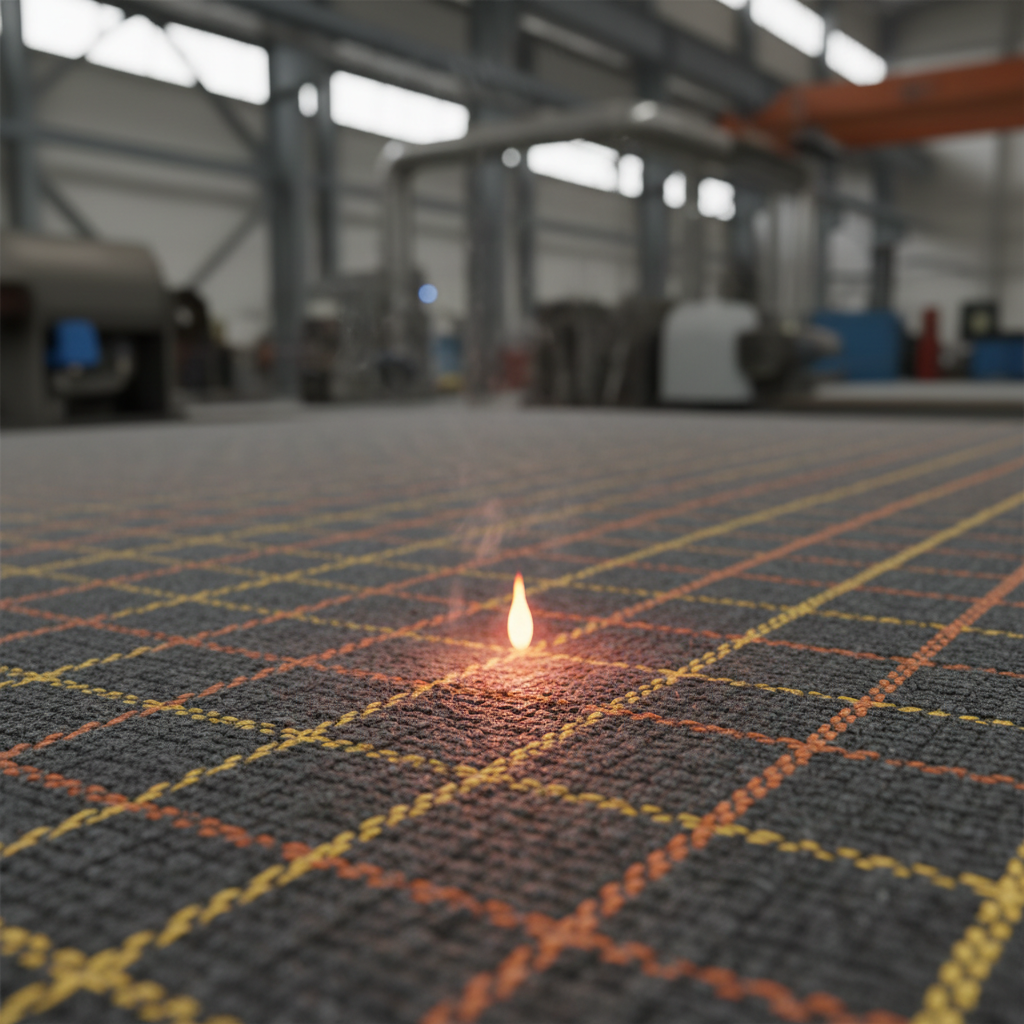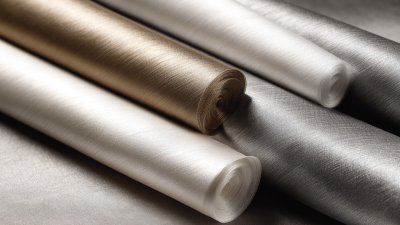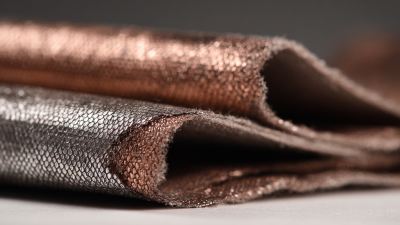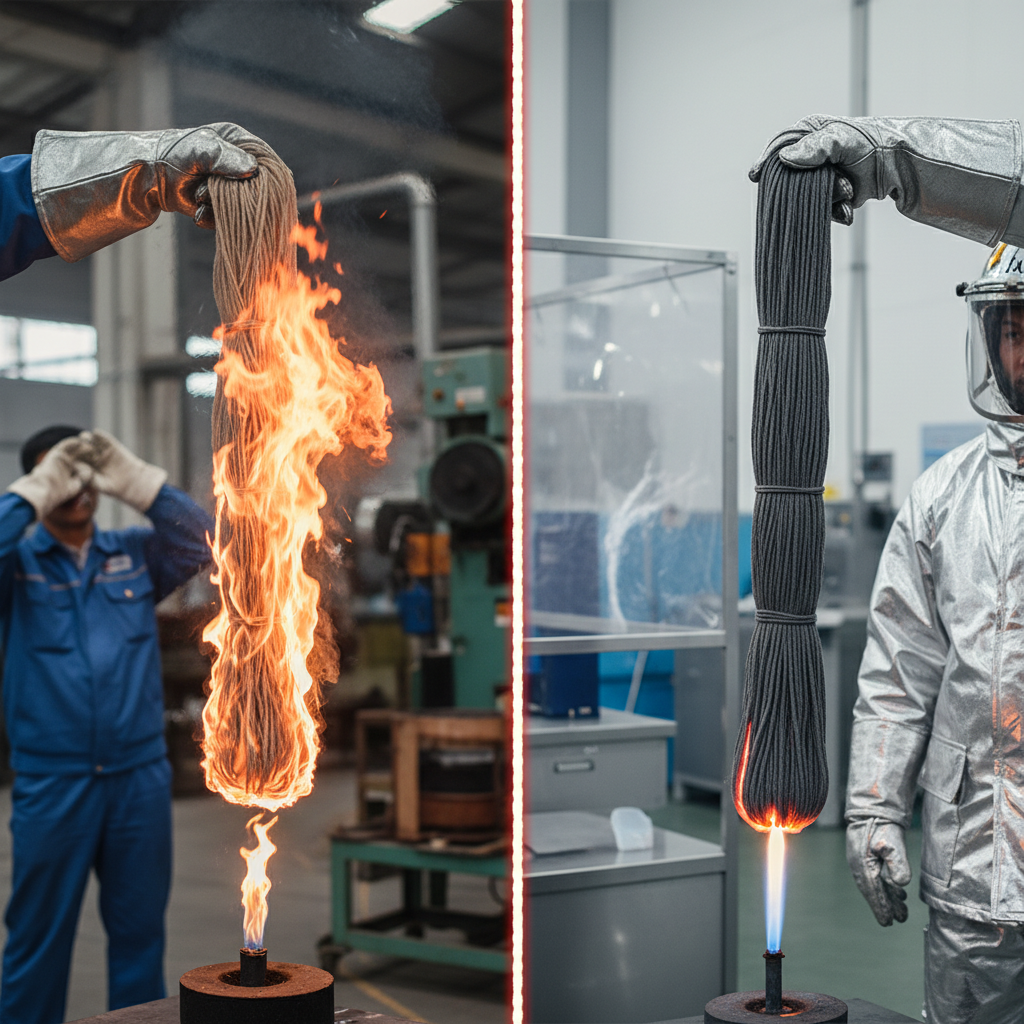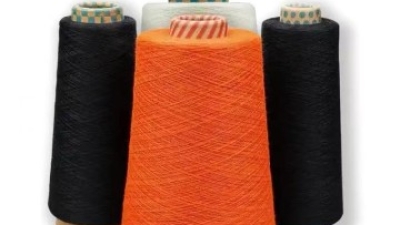
You know, in today’s industrial scene, safety’s a huge deal — especially when you’re dealing with materials that can catch fire easily. As companies try to keep standards high, choosing the right materials for their operations becomes more and more important. One thing that’s been catching a lot of attention lately is Flame Retardant Yarn. It’s pretty remarkable because it not only boosts the protective qualities of work Textiles but also helps cut down the risk of fires in the workplace. For businesses serious about safety and making sure they meet all the industry rules, adopting Flame Retardant Yarn really is a smart move.
And here’s the thing — this special yarn isn’t just limited to one or two uses. It’s super versatile! You’ll find it in firefighting gear, protective clothing for folks working in risky environments, and more. By weaving this kind of yarn into their products, manufacturers can create textiles that add an extra layer of fire safety. As industries keep evolving, putting resources into Flame Retardant Yarn is more important than ever. It’s a proactive way to protect your team and your assets, which honestly leads to safer operations and some peace of mind for everyone involved.
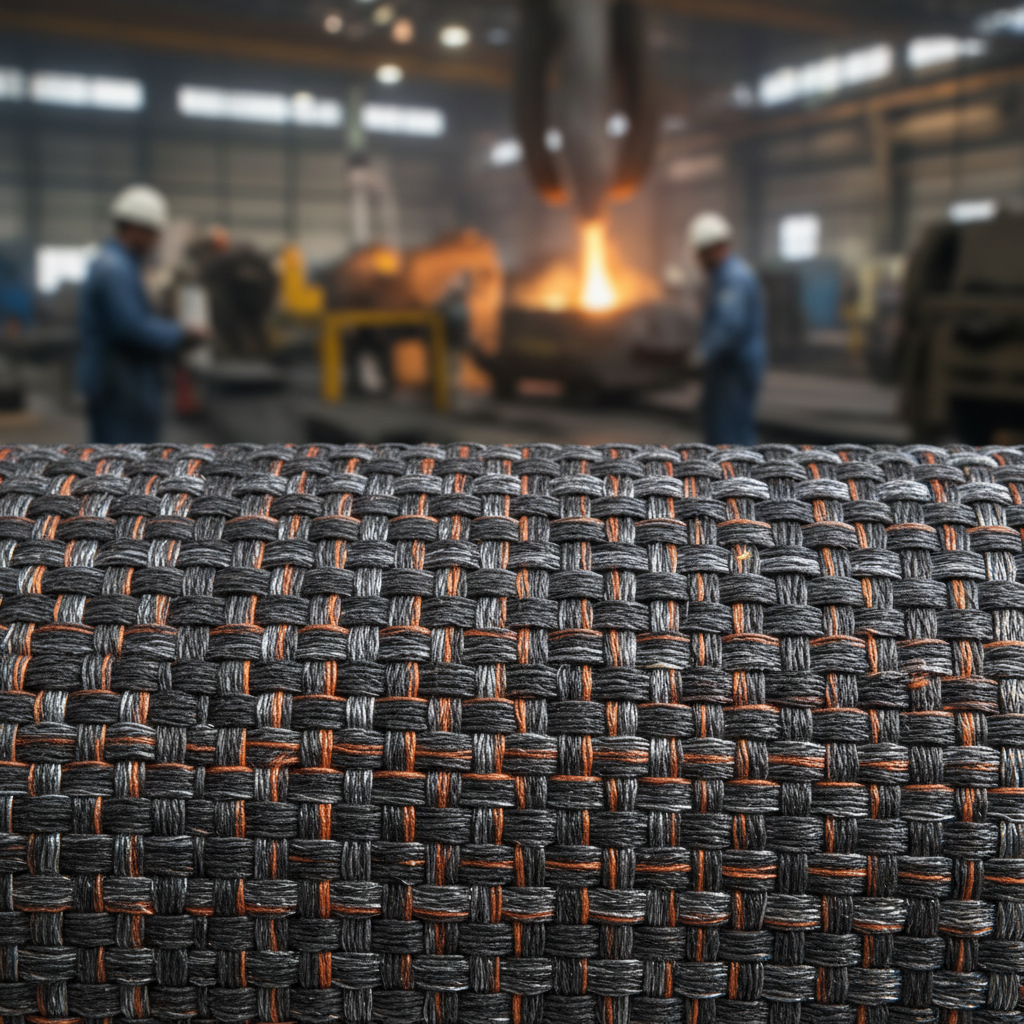
Flame retardant yarn plays a crucial role in enhancing safety standards across various industrial applications. In environments where fire hazards are prevalent, such as manufacturing plants, oil and gas sectors, and construction sites, the use of flame retardant materials is essential to protect workers and equipment. The incorporation of these specialized yarns into workwear and protective gear provides an added layer of security, significantly reducing the risk of ignition and burn injuries. As industries navigate increasingly Stringent safety regulations, the importance of integrating flame retardant yarn into their protocols cannot be overstated.
At SHIJIAZHUANG 3L TECHNOLOGY CO., LTD., we have been at the forefront of producing high-performance textile solutions since 2009. Our commitment to innovation in the field of technical textiles ensures that we provide industries with cutting-edge materials that meet and exceed safety standards. By transforming advanced yarns into effective flame retardant solutions, we contribute to a safer working environment, helping our clients not only comply with safety regulations but also foster confidence among their workforce.
Flame retardant yarns are critical components in enhancing safety across various industrial applications, particularly in sectors such as aerospace, construction, and firefighting. These specialized yarns are engineered to resist ignition and reduce the spread of flames, significantly lowering risks in environments where fire hazards are prevalent. According to the National Fire Protection Association (NFPA), fires in industrial settings resulted in over $15 billion in property damage in 2020 alone, underscoring the importance of utilizing materials that protect against such catastrophic events.
Effective flame retardant yarns exhibit several key characteristics that contribute to their performance. First, they should boast high thermal stability, ensuring that they maintain their integrity even at elevated temperatures. The ability to self-extinguish is another crucial trait; when a flame comes into contact with the yarn, it should automatically cease burning without the need for external intervention. Moreover, the yarn's durability and resistance to chemical degradation are essential, especially in harsh industrial environments. A study by the International Journal of Industrial Chemistry highlighted that flame retardant textiles with superior durability maintained their protective qualities even after repeated washing and exposure to industrial chemicals, confirming their reliability for long-term use.
Flame retardant yarns play a crucial role in enhancing safety across various industries, including textiles, automotive, and aerospace. In the textile industry, these specialized yarns are often used in workwear and uniforms, especially in sectors like oil and gas, where workers are exposed to potential fire hazards. According to a report by Mordor Intelligence, the global flame retardant textile market is projected to reach $6.4 billion by 2026, with a compound annual growth rate (CAGR) of 7.2%. This growth underscores the increasing awareness of fire safety regulations and the adoption of flame-resistant materials.
In the automotive sector, flame retardant yarns are utilized in seat covers, interior components, and electrical wiring insulation to mitigate the risks associated with vehicle fires. The National Fire Protection Association (NFPA) highlights that nearly 18% of all reported vehicle fires occur due to electrical failures. Incorporating flame retardant materials can significantly reduce the potential for ignition and help save lives.
Additionally, in the aerospace industry, where safety is paramount, flame retardant yarns are employed in composite materials and aircraft interiors, enhancing the safety of both crew and passengers. The Federal Aviation Administration (FAA) mandates stringent flammability standards for aircraft interiors, illustrating the critical importance of these materials in ensuring compliance and safety.
When it comes to industrial applications, the choice of yarn can significantly impact safety. Traditional yarns, while commonly used, often lack the necessary properties to withstand high temperatures and flames. In contrast, flame retardant yarns are specifically engineered to resist ignition and slow down the spread of fire, making them crucial for workers in hazardous environments.
One of the main advantages of flame retardant yarns is their ability to provide enhanced protection without compromising comfort. Many modern flame retardant materials are lightweight and breathable, allowing for ease of movement while ensuring safety. When selecting yarn for industrial applications, it is essential to consider the specific requirements of the workplace and the level of protection needed.
Tips: Always check for certifications that indicate the flame retardant properties of the yarn you choose. Additionally, consider the treatment process of the yarn, as some flame retardants diminish in effectiveness after multiple washes. This ensures that the yarn maintains its protective qualities over time, safeguarding workers against potential fire hazards.
The future of flame retardant yarn technology is poised for significant innovations that will enhance safety in industrial applications. As industries evolve, so does the need for materials that can withstand extreme conditions while providing superior protection. Researchers are exploring advanced materials that incorporate nanotechnology, allowing for lighter and more efficient flame retardant properties. These innovations not only improve the effectiveness of the yarn but also allow for greater comfort and flexibility for the wearer, making it ideal for various applications, including firefighting gear and protective clothing.
Moreover, the integration of eco-friendly and sustainable practices into the production of flame retardant yarn is becoming increasingly important. Future developments aim to create non-toxic, biodegradable flame retardants that do not compromise performance. Collaborations between manufacturers and academic institutions are driving this research forward, focusing on how to balance safety, environmental impact, and cost-effectiveness. As the demand for higher safety standards continues to grow, these innovations will play a critical role in reshaping the landscape of industrial safety equipment.
The chart above illustrates the percentage usage of flame retardant yarn across various industries in 2023. The construction industry leads the way, followed by automotive and aerospace applications, demonstrating the critical role of flame retardant yarn in enhancing safety measures in diverse industrial environments.
Flame retardant yarns are increasingly recognized as essential components in maintaining safety across various industrial applications. Adhering to regulatory guidelines is crucial for ensuring workplace safety. In the United States, OSHA regulations mandate the use of flame-resistant clothing in certain scenarios, particularly in industries like oil and gas, where the risk of flash fires is prominent. According to the National Fire Protection Association (NFPA), nearly 20,000 industrial fires occur each year, emphasizing the need for safety measures such as the implementation of flame retardant textiles.
At SHIJIAZHUANG 3L TECHNOLOGY CO., LTD., we are committed to providing innovative solutions that align with these stringent safety standards. Since our inception in 2009, our expertise in high-performance technical textiles has enabled us to produce flame retardant yarns that meet regulatory requirements, ensuring both protection and compliance. Recent market reports indicate that the demand for flame retardant textiles is projected to grow at a CAGR of 6.5% through 2025, reflecting the increasing emphasis on safety and regulatory compliance in industrial environments. Our dedication to transforming advanced textiles into effective safety solutions positions us at the forefront of this evolving industry.
| Application Area | Flame Retardant Yarn Type | Regulatory Standards | Key Properties | Usage Guidelines |
|---|---|---|---|---|
| Aerospace | Kevlar | FAA Advisory Circular 25.853 | High tensile strength, low flammability | Must meet specified testing standards |
| Construction | Nomex | NFPA 701 | Self-extinguishing, breathable | Use in areas with high fire risk |
| Oil & Gas | PBI | OSHA 1910.269 | Exceptional thermal stability | Mandatory for safety gear |
| Automotive | Aramid | FMVSS 302 | Durable, chemical resistant | Compliance required for interiors |
| Healthcare | Cotton Blend | AATCC 135 | Comfortable, soft | Recommended for patient gowns |
The exploration of the future of dope dyeing in enhancing the performance and sustainability of meta aramid yarns is a topic of great significance in the high-tech textile industry. Meta aramid, known for its remarkable properties such as high temperature resistance and inherent flame retardancy, is synthesized from isophthaloyl chloride and m-phenylenediamine. This organic fiber plays a crucial role in applications requiring durability and protection, including military and fire rescue clothing, high-temperature filter materials, and industrial safety apparel.
Recent industry reports highlight that the global meta aramid market is projected to grow at a CAGR of 6.5% from 2023 to 2030, driven by increasing demand in safety and protective clothing. The process of dope dyeing not only enhances the colorfastness and visual appeal of meta aramid fibers but also reduces water and energy consumption compared to traditional dyeing methods. Studies indicate that dope dyeing can achieve a 30% reduction in water usage while offering improved color stability, which is essential for products exposed to harsh environments.
Furthermore, integrating sustainability into the production of meta aramid yarn through dope dyeing aligns with the growing emphasis on eco-friendly practices in the textile industry. As consumers become more environmentally conscious, manufacturers are investing in technologies that minimize their ecological footprint. This trend, coupled with the superior performance characteristics of meta aramid yarns, positions dope dyeing as a pivotal innovation that meets both performance and sustainability needs in high-tech applications.
: Flame retardant yarn enhances safety standards in industrial environments by reducing the risk of ignition and burn injuries, particularly in high-risk areas like manufacturing plants and oil and gas sectors.
Flame retardant yarns are beneficial across various industries, including textiles, automotive, aerospace, and construction, where fire hazards are prevalent.
Unlike traditional yarns, flame retardant yarns are specifically engineered to resist ignition and slow down the spread of fire, providing enhanced protection in hazardous environments.
In the automotive sector, flame retardant yarns are used in seat covers, interior components, and electrical wiring insulation to reduce the risks associated with vehicle fires.
Flame retardant yarns are crucial in aerospace for their use in composite materials and aircraft interiors, helping to meet stringent flammability standards mandated by authorities like the FAA.
The global flame retardant textile market is projected to reach $6.4 billion by 2026, with a compound annual growth rate (CAGR) of 7.2%, indicating a growing awareness of fire safety regulations.
Users should check for certifications indicating flame retardant properties and consider the yarn’s treatment process, as some flame retardants may lose effectiveness after multiple washes.
Yes, many modern flame retardant materials are designed to be lightweight and breathable, providing comfort while ensuring safety in hazardous environments.
SHIJIAZHUANG 3L TECHNOLOGY CO., LTD. has been producing high-performance textile solutions since 2009, focusing on innovation and compliance with safety standards through advanced flame retardant yarns.
Industries should prioritize the integration of flame retardant yarn into their safety protocols, ensuring compliance with regulations and enhancing worker safety in fire-prone environments.
Flame Retardant Yarn plays a crucial role in enhancing safety standards across various industrial applications. Its importance is underscored by the need to protect workers and assets from fire hazards, emphasizing the integration of these specialized textiles into safety protocols. Effective flame retardant yarns possess key characteristics, such as durability, resistance to heat, and compliance with industry standards, making them superior to traditional yarns.
The versatility of flame retardant yarns is evident in their widespread use across sectors like manufacturing, construction, and transportation. As industries continue to evolve, future innovations in flame retardant yarn technology promise even greater advancements in safety and performance. Moreover, adherence to regulatory guidelines is essential to ensure the proper use of these materials in workplace environments. SHIJIAZHUANG 3L TECHNOLOGY CO., LTD. is at the forefront of this evolution, dedicated to delivering high-performance solutions that prioritize safety while driving innovations in technical textiles.