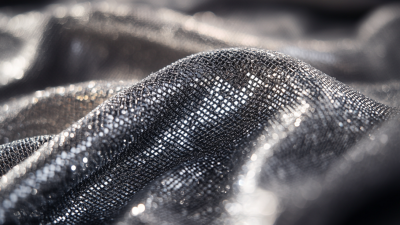
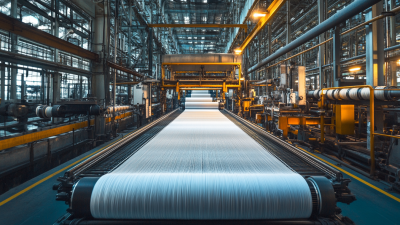
Hey there! You know, the world of manufacturing and Textiles is changing pretty fast, and there's a growing buzz around innovative materials. One standout in the mix is Metal Fiber Non Woven Fabric, which is really carving out a niche for itself. Just look at what happened at the recent 137th Canton Fair—it was a real game changer! They had a staggering 288,938 attendees from 219 countries, which totally smashed previous records. It's clear that everyone’s eager to check out the latest and greatest products, especially those that can make our supply chains more efficient and sustainable. As businesses start to rethink how they operate, Metal Fiber Non Woven Fabric is becoming a go-to choice because of its versatility and unique qualities—it really fits the bill for a bunch of different industries. In this blog, we’re gonna dive into what the Canton Fair's success means, why Metal Fiber Non Woven Fabric is becoming increasingly important, and how companies can tap into these trends to really amp up their supply chains.

The Surging Demand for Metal Fiber Non Woven Fabric: Insights from the 137th Canton Fair
The 137th Canton Fair really showcased a big uptick in the demand for metal fiber non-woven fabric, which is pretty exciting because it signals a big shift in how supply chains are operating these days. This material is gaining popularity fast—and it's not hard to see why. It's super durable and has great conductivity, making it perfect for a bunch of different fields like electronics, automotive, and healthcare. With businesses putting a huge emphasis on performance and sustainability nowadays, metal fiber non-woven Fabrics are turning out to be just the right fit for these changing market demands.
At SHIJIAZHUANG 3L TECHNOLOGY CO., LTD., we’re all about pushing the boundaries in advanced technical textiles, and we’re thrilled to be part of this trend. Since 2009, we’ve been focused on crafting high-performance tech-textile materials that provide groundbreaking solutions for our clients around the world. The takeaway from the Canton Fair really reinforces our belief that metal fiber non-woven fabrics have huge potential. As industries look to innovate and enhance their supply chains, our know-how in this field allows us to support the shift toward more efficient and cutting-edge textile solutions, paving the way for growth and sustainability—exciting times ahead!
Record-Breaking Numbers: Analyzing the 288,938 Foreign Buyers at the 137th Canton Fair
Wow, the 137th Canton Fair has really made its mark this year! Imagine this—288,938 foreign buyers showed up, and all of this is happening even with those pesky US tariffs hanging around. It’s pretty surprising to see such a boost in international attendance; it really shows that the global trade scene is holding strong. A lot of folks in the industry were caught off guard by this! Sure, the overall transaction volume is still lagging behind where it was pre-pandemic, but the big jump in overseas participants basically screams that people are eager to source top-notch materials, especially in the world of technical textiles.
Here at SHIJIAZHUANG 3L TECHNOLOGY CO., LTD., we’re totally on board with this rising demand! It’s a fantastic chance for us to shake up the supply chains with our advanced metal fiber non-woven fabrics. Seriously, industry reports are buzzing about how durable and conductive these materials are, which is a big deal for everything from automobiles to electronics. As manufacturers are on the hunt for innovative solutions to keep up with changing market needs, we’re pretty proud to say that our commitment to quality helps us lead the way in this transformation. So, when you think about the trends coming out of this year's Canton Fair, it's clear that technical textiles are going to be at the heart of the future of manufacturing, driving some exciting advancements in the industry!
Metal Fiber Non Woven Fabric Demand at the 137th Canton Fair
Market Trends: The 3% Growth in Export Intentions at the Latest Canton Fair
You know, as the world really dives into innovative materials, the recent Canton Fair showed us something pretty cool — there was a notable 3% bump in export intentions! This definitely points to a strong trend in the textile industry, especially when it comes to metal fiber non-woven fabric. It's clear there's a growing interest in advanced materials that not only perform well but also promote sustainability across a bunch of uses, from filtration systems to protective clothing. A market analysis from Smithers Pira even forecasts that global demand for non-woven fabrics could hit a whopping $48 billion by 2025, driven by all those industries looking to use lightweight and efficient materials more and more.
The rising buzz around metal fiber non-woven fabric? Well, it’s all thanks to its serious benefits, like thermal resistance, durability, and those electromagnetic shielding capabilities. According to a report from Technical Textile Markets, metal fibers have some unique perks, especially in industries like automotive and construction where safety and reliability are super important. With export intentions on the rise, it seems manufacturers and suppliers are getting ready to really make the most of these trends, fine-tuning their supply chains to cater to both local and international needs. The 137th Canton Fair wasn’t just a place to trade; it felt like a sneak peek into where the textile industry is headed, showing how crucial it is for everyone to adapt to emerging trends and seize new opportunities.
Supply Chain Innovations: How Metal Fiber Non Woven Fabric is Reshaping Industry Standards
You know, in the last few years, the manufacturing world has really started to see the perks of using metal fiber non-woven fabrics. It’s kind of shaking things up in supply chains! A recent report from Smithers Pira even mentions that the global market for these non-woven fabrics is on track to hit a whopping $53.3 billion by 2027, which is pretty impressive. They’re projecting a growth rate of around 6.9% every year. The thing that’s driving this boom is the unique properties of these materials, like conductivity and thermal resistance. They’re crucial for a bunch of industrial uses, such as automotive, aerospace, and of course, filtration.
I was reading about the 137th Canton Fair recently, and suppliers and manufacturers were really excited about how integrating metal fiber non-woven fabrics could seriously boost product performance. There was even a study from the Nonwovens Industry Association that showed these innovative fabrics could improve durability by up to 50%! That’s a game changer for high-stress environments. Plus, with industries racing to meet tougher regulations and sustainability mandates, these materials not only enhance performance but also fit right into eco-friendly practices. It’s fascinating to see how all this is reshaping industry standards and shifting supply chain strategies.
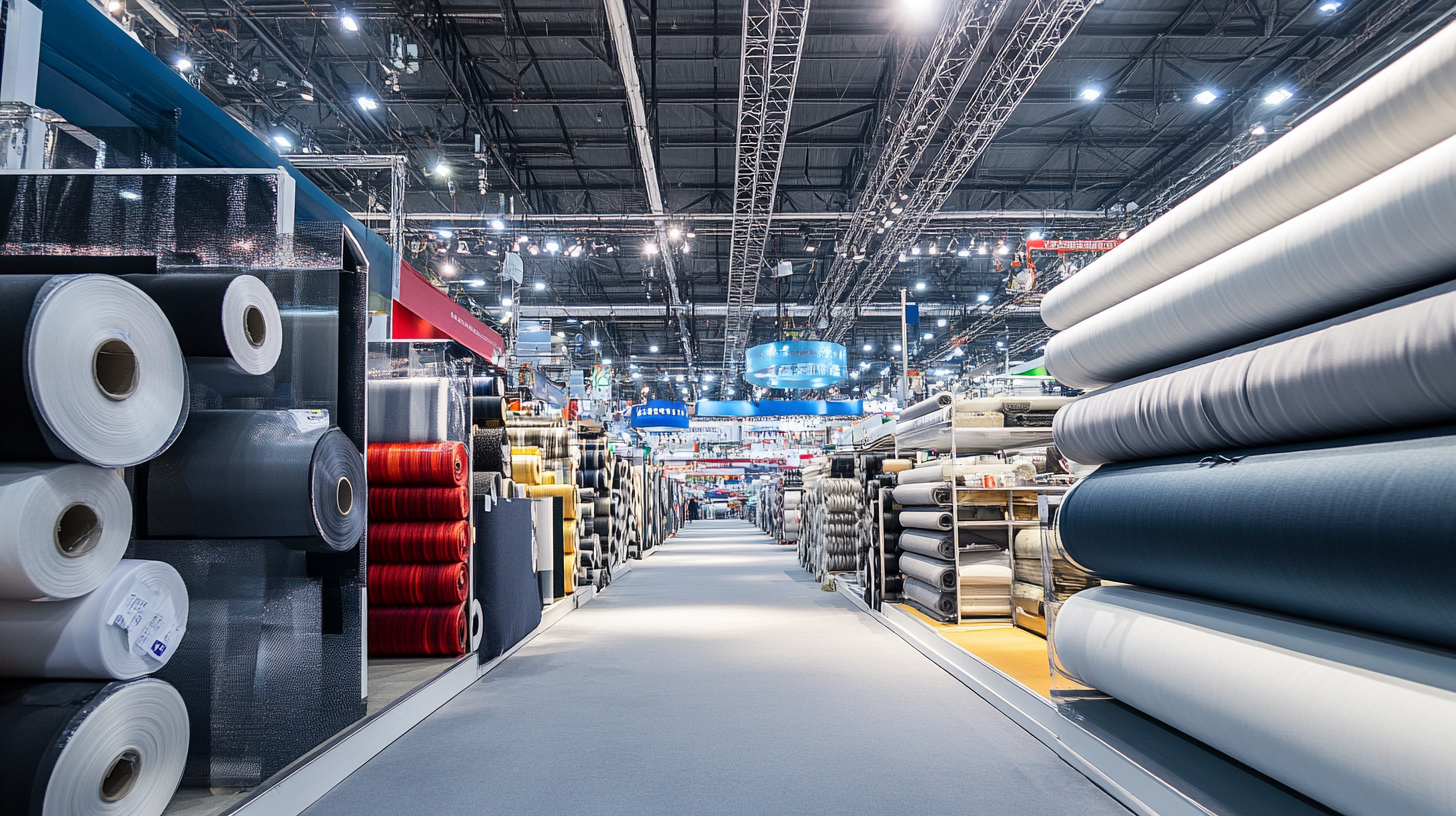
Upcoming Opportunities: Preparing for the 138th Canton Fair and Metal Fiber Fabric Growth Potential
As we gear up for the 138th Canton Fair, there's definitely a buzz surrounding new materials, especially metal fiber non-woven fabric. Just look at the last fair— the 137th one— it really highlighted how much people are interested in innovative textiles. A lot of this hype is coming from sectors like new energy equipment, which is super exciting. We've seen a record number of importers joining in, and it's awesome to see such a vibrant community ready to explore fresh business opportunities, especially in the face of some pretty tough global trade challenges.
If you’re heading to the upcoming fair, here are a couple of tips that might help you make the most of it. First off, it’s a good idea to do a bit of homework on the exhibitors ahead of time. Knowing who the key players in the metal fiber market are can really help you connect with potential partners during the event. Also, don’t miss out on the networking opportunities! Check out workshops and panel discussions—those can really provide some valuable insights into industry trends and help you build some great connections.
With metal fiber fabric on the rise, it's also smart for businesses to pay attention to production capabilities and sustainable practices. Choosing suppliers who focus on eco-friendly production is not only what consumers are looking for these days but can also boost your brand’s image. So, get ready to dive into all the possibilities that the Canton Fair has to offer and catch the wave of growth potential in metal fiber!

Leveraging Online Platforms: Continuous Engagement Beyond the Canton Fair’s Physical Events
You know, as businesses start to adjust to the changing world of supply chain management, there’s been a really cool trend emerging around metal fiber non-woven fabrics. It’s interesting! Just take a look at the 137th Canton Fair—it had a jaw-dropping attendance this year, which really shows that networking isn’t just a one-time thing. According to industry reports, the nonwoven fabric market is on track to hit a staggering USD 28.67 billion by 2025, with a steady growth rate of 6.3% since 2020. That definitely highlights how crucial it is to tap into online platforms for staying connected with both suppliers and customers.
To really make the most of digital engagement, companies ought to focus on building a solid online presence. One smart move is to use social media to share some industry insights and keep people updated on product availability, which helps keep your brand in the spotlight even after the fair. You might also consider hosting webinars or online workshops—those are great for ongoing education about metal fiber non-woven fabrics, keeping potential clients in the loop and engaged.
And let’s not forget about customer relationship management (CRM) tools! They can seriously simplify communication and help build long-lasting partnerships. Surveys show that organizations that actually use CRM systems can see up to a 29% boost in sales. That just goes to show how important it is to keep those conversations going. By stepping out of the physical box of trade shows, businesses can really harness the online space to drive growth and meet the rising demand for specialized textile solutions. Exciting times ahead!
Transform Your Supply Chain: Discover the Rising Demand for Metal Fiber Non Woven Fabric at the Record-Breaking 137th Canton Fair
| Attribute | Value |
| Event | 137th Canton Fair |
| Exhibition Dates | October 15-19, 2023 |
| Location | Guangzhou, China |
| Industry Focus | Metal Fiber Non Woven Fabric |
| Market Growth Rate (2023) | 12% CAGR |
| Primary Applications | Automotive, Aerospace, Energy |
| Key Trends | Sustainability, Lightweight Materials, Advanced Manufacturing |
| Top Exhibitors | Companies A, B, C |
| Engagement Tools | Webinars, Online Demos, Virtual Booths |
| Post-Event Follow-up | Surveys, Newsletters, Social Media Updates |
Unleashing the Power of 12μm ~ 22μm Pure Copper Fiber: Revolutionizing Modern Applications and Sustainable Solutions
Unleashing the Power of 12μm ~ 22μm Pure Copper Fiber: Revolutionizing Modern Applications and Sustainable Solutions
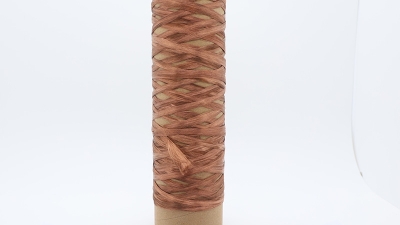
In recent years, the demand for advanced materials in various industries has surged, with copper fiber emerging as a frontrunner. With diameters ranging from 12μm to 22μm, pure copper fibers exhibit a unique combination of high strength and excellent flexibility, making them particularly valuable in diverse applications. According to a market analysis by Research and Markets, the global market for copper fibers is expected to grow significantly, driven by advancements in textile technology and the increasing integration of smart materials into everyday products.
The production process of copper fibers involves intricate methods such as surface treatment, bundling, drawing, and electrochemical separation. These techniques enable the fibers to achieve a large specific surface area, which enhances their conductivity and overall performance. Reports from various industry experts highlight the superior environmental benefits of using copper fiber, noting its recyclability and lower carbon footprint compared to synthetic alternatives. This is particularly relevant in the context of sustainable solutions, as industries increasingly seek to minimize environmental impact.
Moreover, applications of copper fibers span across multiple sectors, including electronics, automotive, and medical textiles. For instance, the integration of copper fibers in smart textiles has shown promising results in improving the performance of wearable devices, as noted in a study published by the Journal of Advanced Functional Materials. As industries adapt to this innovative material, the potential of copper fiber continues to reshape modern technologies, paving the way for a more sustainable and efficient future.
FAQS
: The 3% increase reflects a robust market trend in the textile industry, particularly for metal fiber non-woven fabric, indicating a growing demand for advanced materials that enhance performance and sustainability.
According to market analysis by Smithers Pira, the global demand for non-woven fabrics is expected to reach $48 billion by 2025, driven by the focus on lightweight and efficient materials.
Metal fiber non-woven fabrics provide thermal resistance, durability, and electromagnetic shielding capabilities, making them advantageous in sectors such as automotive and construction.
Manufacturers can enhance their supply chains and strategically position themselves to meet both local and international demands effectively due to the climbing export intentions.
Attendees should research exhibitors in advance to identify key players in the metal fiber market and engage in networking opportunities through workshops and panel discussions.
Prioritizing suppliers who invest in eco-friendly production methods meets consumer demand for sustainability and enhances a brand's reputation.
Industries such as new energy equipment are significantly contributing to the increasing interest and demand for innovative textiles showcased at events like the Canton Fair.
The Canton Fair serves as a marketplace and a preview of future directions in the textile industry, emphasizing the need for adaptation to emerging trends for capitalizing on new opportunities.